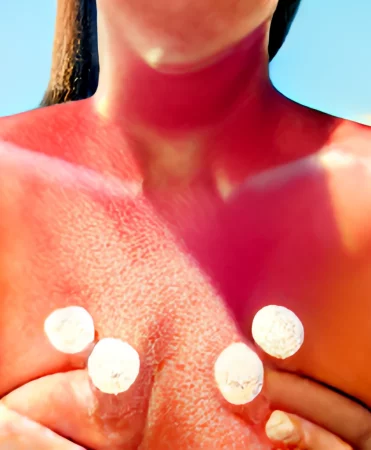
Summer is here, and with it comes long days spent outdoors soaking up the sun. While it’s important to protect your skin with sunscreen, sometimes even the most diligent sun protection can result in a painful sunburn. That’s where after-sun care products come in. These products are specifically designed to soothe and heal sunburned skin, but with so many options available, it can be tough to know which one is right for you. In this ultimate guide to after-sun care, we’ll compare the different types of products available on the market, along with their pros and cons.
Aloe Vera Gel
Aloe vera gel is a tried-and-true after-sun care product that’s been used for centuries. The gel contains anti-inflammatory and cooling properties that can help soothe sunburned skin. Here are the pros and cons of using aloe vera gel for after-sun care:
Pros:
- Aloe vera gel is a natural product that’s easily accessible and affordable.
- It’s safe for most skin types, including sensitive skin.
- Aloe vera can help reduce inflammation and redness.
- It’s non-greasy and absorbs quickly into the skin.
Cons:
- Aloe vera gel may not be effective for severe sunburns.
- It doesn’t provide any protection from the sun’s harmful rays.
Cooling Sprays
Cooling sprays are a convenient and refreshing after-sun care product that can provide instant relief from sunburns. These sprays contain ingredients like menthol, witch hazel, or aloe vera that have a cooling effect on the skin. Here are the pros and cons of using cooling sprays for after-sun care:
Pros:
- Cooling sprays are easy to use and can be applied directly to the affected area.
- They provide immediate relief from sunburns and can help reduce swelling and redness.
- Some cooling sprays contain ingredients like aloe vera that can also help moisturize the skin.
Cons:
- Cooling sprays may not be suitable for those with sensitive skin or allergies.
- They can be expensive compared to other after-sun care products.
- Some cooling sprays may contain alcohol, which can be drying to the skin.
Moisturizers
Moisturizers are a popular after-sun care product that can help replenish the skin’s moisture barrier. Sunburns can cause the skin to become dry and itchy, so using a moisturizer can help alleviate these symptoms. Here are the pros and cons of using moisturizers for after-sun care:
Pros:
- Moisturizers can help soothe and hydrate sunburned skin.
- They’re widely available and come in different formulations to suit different skin types.
- Moisturizers can help prevent peeling and flaking of the skin.
Cons:
- Some moisturizers may contain fragrances or other irritants that can further aggravate sunburned skin.
- It’s important to choose a moisturizer that’s non-comedogenic (doesn’t clog pores) to avoid breakouts.
- Moisturizers alone may not provide enough relief for severe sunburns.
Hydrocortisone Cream
Hydrocortisone cream is a topical steroid that can be used to treat severe sunburns. It works by reducing inflammation and swelling, which can help alleviate pain and discomfort. Here are the pros and cons of using hydrocortisone cream for after-sun care:
Pros:
- Hydrocortisone cream is a powerful anti-inflammatory agent that can provide relief for severe sunburns
- It can help reduce redness, swelling, and itching associated with sunburns
- Hydrocortisone cream can also help prevent blistering and peeling of the skin.
Cons:
- Hydrocortisone cream should only be used for severe sunburns and under the guidance of a healthcare professional.
- Prolonged use of hydrocortisone cream can thin the skin and cause other side effects.
- It’s important to follow the instructions on the label carefully and not use it on large areas of the body.
Conclusion
After-sun care is an essential part of any summer skincare routine. The different types of products available offer varying benefits, and it’s important to choose the one that best suits your skin type and the severity of your sunburn. Aloe vera gel and cooling sprays are excellent options for mild to moderate sunburns, while moisturizers can help alleviate dryness and peeling. For severe sunburns, hydrocortisone cream may be necessary, but it should only be used under the guidance of a healthcare professional. Remember, prevention is key, so make sure to apply sunscreen regularly and seek shade during peak hours of sun exposure.