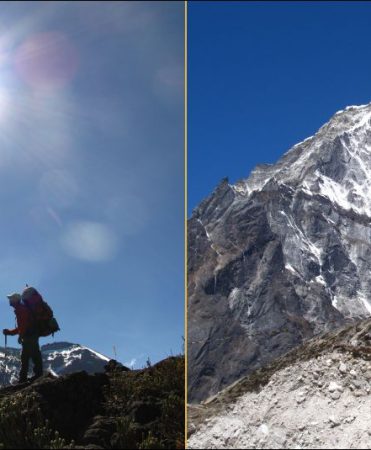
Trekking Mount Everest Base Camp vs. Kilimanjaro: Which Adventure Awaits You?
If you’re considering an epic adventure, you might be torn between trekking Mount Everest Base Camp or Kilimanjaro. Both destinations offer stunning landscapes, unique challenges, and unforgettable experiences. However, they cater to different types of trekkers. In this article, we will explore the differences, benefits, and challenges of each trek to help you decide which one is right for you.
Overview of the Treks
Trekking Mount Everest Base Camp is a journey to the foot of the world’s highest peak, standing at 8,848 meters (29,029 feet). This trek takes you through the heart of the Khumbu region in Nepal, where you can experience the rich culture of the Sherpa people and breathtaking mountain scenery.
On the other hand, Kilimanjaro, located in Tanzania, is the highest mountain in Africa at 5,895 meters (19,341 feet). The trek to the summit is known for its diverse ecosystems, ranging from lush rainforests to alpine deserts. Both treks offer unique experiences, but they also come with their own sets of challenges.
Comparing the Experiences
When it comes to trekking Mount Everest Base Camp or Kilimanjaro, the experiences differ significantly. The Everest trek typically takes around 12-14 days, while Kilimanjaro can be completed in 5-9 days, depending on the route chosen. This difference in duration can affect your overall experience and physical demands.
Moreover, the altitude plays a crucial role. Everest Base Camp is at a higher altitude, which can lead to altitude sickness if not acclimatized properly. Kilimanjaro, while shorter, also presents altitude challenges, especially as you approach the summit. Proper preparation is essential for both treks.
Ingredients for Success: What You Need to Prepare
To successfully complete either trek, you need to prepare both physically and mentally. Here are some key ingredients for a successful trek:
- Physical Fitness: Both treks require a good level of fitness. Regular hiking, cardio, and strength training can help you build the necessary endurance.
- Proper Gear: Invest in quality trekking gear, including sturdy boots, warm clothing, and a reliable backpack. This will enhance your comfort and safety during the trek.
- Hydration and Nutrition: Staying hydrated and eating well is crucial. Carry energy-boosting snacks and ensure you drink enough water to prevent dehydration.
While the ingredients for success are similar, the benefits and side effects of trekking can differ. Trekking helps improve cardiovascular health, boosts mental well-being, and enhances overall fitness. However, side effects can include fatigue, altitude sickness, and muscle soreness.
Author’s Preference
As an avid trekker, I have experienced both trekking Mount Everest Base Camp and Kilimanjaro. While both treks are incredible, I personally prefer the Everest Base Camp trek for its majestic views and cultural immersion. However, Kilimanjaro offers a unique experience with its diverse ecosystems and shorter duration, making it a great option for those pressed for time.
Conclusion
In summary, both trekking Mount Everest Base Camp and Kilimanjaro offer unique adventures that appeal to different types of trekkers. If you seek a longer, more challenging trek with breathtaking mountain views and cultural experiences, Everest Base Camp is the way to go. However, if you’re looking for a shorter trek with diverse landscapes, Kilimanjaro is an excellent choice.
Ultimately, the decision comes down to your personal preferences, fitness level, and adventure goals. Whichever trek you choose, prepare well, stay safe, and enjoy the journey!