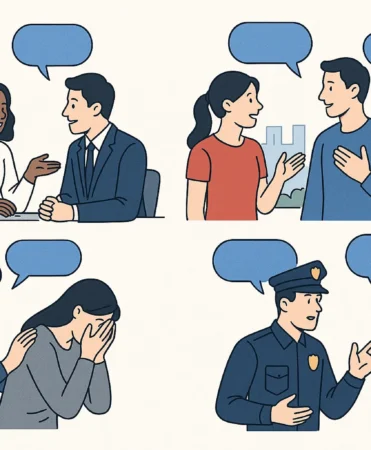
When to Call for Help: Understanding 911 Dialogues
- What is 911?
- When to Call 911
- How to Call 911
- What to Say to 911
- Dealing with an Emergency
- Keeping Calm During the Call
- Special Situations
- After the Call
- Common Mistakes to Avoid
- Key Takeaways
- Frequently Asked Questions
- Conclusion
What is 911?
The emergency number 911 is a crucial lifeline during crises. It’s designed to connect individuals in distress with emergency services like police, fire, and medical assistance. In the United States, dialing 911 is a free service, available 24/7, ensuring that anyone can reach help when it’s needed most. For instance, in 2020, over 240 million calls were made to 911, highlighting its significance in everyday emergencies. Whether it’s a car accident, a medical emergency, or a fire, 911 is trained to handle diverse situations. Operators are specifically trained to gather information quickly and dispatch the appropriate help. Knowing how 911 works can save lives, making it essential for everyone to understand its purpose and the critical role it plays in community safety.
When to Call 911
Recognizing when to call 911 can be lifesaving. Emergencies vary, but you should always call if there’s an immediate threat to life or property. For example, if someone is experiencing chest pain, has difficulty breathing, or is unconscious, those are clear signs to dial 911. Similarly, if you witness a crime in progress or see a fire, these situations also warrant a call. Even if you’re uncertain, it’s better to err on the side of caution. You can also call if you suspect someone’s safety is at risk, such as a child left alone in a dangerous situation. Remember, calling 911 should be reserved for true emergencies, ensuring that resources are available for those in critical need.
How to Call 911
Calling 911 can be daunting, but knowing the steps can ease your anxiety. First, ensure you are in a safe location before making the call. If you can, stay calm and take a deep breath. Dial 911 on your phone and wait for the operator to answer. They will typically ask about your location and the nature of the emergency. Be ready to provide clear, concise answers. If you’re in an area with a lot of noise, try to speak loudly and clearly. Remember, don’t hang up until the operator tells you to; they may need to ask follow-up questions. Finally, if you’re using a mobile device, be aware that the call might not connect as quickly as it would from a landline.
What to Say to 911
When speaking to a 911 operator, clarity is crucial. Start by stating your location clearly; this is the first piece of information they need. Next, describe the emergency briefly but thoroughly. For example, if it’s a medical emergency, explain symptoms or visible injuries. Keep your language simple and avoid jargon; the operator might not understand technical terms. If you’re in a situation that involves danger, convey that urgency in your voice. Remember to listen carefully to any instructions they provide. If it’s safe, stay on the line, as they may have additional questions or need to give you instructions to follow until help arrives. Clear communication can significantly speed up response times.
Dealing with an Emergency
Handling emergencies requires quick thinking and action. In a medical crisis, such as a heart attack, every second counts. While waiting for help, try to keep the person calm and comfortable. If there’s a fire, evacuate the area immediately and don’t attempt to fight it unless it’s small and manageable. In situations involving a crime, find a safe location and don’t intervene. Report what you see to the operator. Remember, during any emergency, your safety comes first. If you feel threatened, prioritize getting to safety before providing information. By remaining calm and focused, you can effectively manage the situation and assist emergency responders in their efforts.
Keeping Calm During the Call
Staying calm during a 911 call can be challenging, especially in stressful situations. However, your composure can significantly impact the effectiveness of the communication. To maintain your calm, take deep breaths before and during the call. Focus on speaking clearly and slowly; this helps convey your message better. If you feel overwhelmed, pause and gather your thoughts before responding. It might help to have a friend or family member nearby to support you if possible. Keep in mind that the operator is trained to help you, and there’s no need to rush. By staying calm, you can facilitate a smoother exchange of information and ensure that help arrives quickly.
Special Situations
Certain situations may require special considerations when calling 911. For example, if you’re calling on behalf of someone else, be prepared to provide their information and explain your relationship. If children are involved, try to keep them calm while explaining the situation to the operator. In cases where language barriers exist, inform the operator immediately; they can often provide a translator. If you or someone else has a disability that affects communication, make that known so the operator can offer appropriate assistance. Understanding these nuances can ensure that help is dispatched effectively, regardless of the circumstances surrounding your call.
After the Call
After calling 911, staying informed and safe is essential. Follow any instructions provided by the operator and ensure you remain in a safe location until help arrives. If you’re in a public place, alert others if it’s appropriate and safe to do so. Keep your phone handy to receive updates or further instructions. Once help arrives, be prepared to provide any additional information that may assist emergency responders. After the situation is resolved, it’s important to reflect on the experience, as it can prepare you for future emergencies. Consider discussing what happened with someone to process the event and learn from the experience.
Common Mistakes to Avoid
There are common mistakes people make when calling 911 that can delay assistance. One frequent error is providing vague information; ensure your description of the emergency is clear and detailed. Another mistake is hanging up before the operator has completed the call, which can disrupt the flow of information. Some individuals may feel embarrassed about calling for what they perceive as minor issues, but better to call than to risk safety. Additionally, don’t assume the operator knows your location; always provide it explicitly. Avoiding these pitfalls can significantly enhance the efficiency of emergency response and ensure that help arrives promptly.
Key Takeaways
- Understanding when to call 911 is crucial for safety.
- Stay calm and focused during the call.
- Provide clear and concise information to the operator.
- Know how to handle various emergency situations.
- Be aware of special circumstances that may require different approaches.
- Avoid common mistakes that could delay help.
- Follow up on the situation after the call for your safety.
Frequently Asked Questions
- Q: What should I do if I accidentally call 911? A: Stay on the line and inform the operator it was a mistake.
- Q: Can I call 911 for non-emergencies? A: No, 911 should only be used for emergencies.
- Q: What if I don’t speak English? A: Inform the operator, and they can provide a translator.
- Q: How should I prepare before calling 911? A: Know your location and the nature of the emergency.
- Q: Can I text 911? A: In some areas, yes, but it’s best to call if possible.
- Q: What information should I provide to 911? A: Your location, the nature of the emergency, and any other relevant details.
- Q: What happens after I call 911? A: Emergency responders will be dispatched to your location.
Conclusion
In summary, knowing how to effectively communicate with 911 can make all the difference in an emergency situation. By understanding what to say, how to stay calm, and being aware of the specific needs of different emergencies, you can ensure that help arrives as quickly as possible when it matters most.