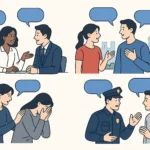
Navigating Conversations in Public Emergencies
Understanding the Situation
Assessing a public emergency situation is crucial before stepping in. You may feel compelled to help, but jumping in without understanding the context can worsen things. Take a moment to observe what’s happening. Is someone in distress, or is it a misunderstanding? For instance, if you see a person appearing disoriented, look around for potential causes, such as a medical emergency or a dispute. This knowledge helps you decide the best course of action. Moreover, it ensures your safety and that of others. Remember, emergencies can escalate quickly, and your first move can make a significant difference. By being aware of your surroundings, you can provide appropriate assistance and possibly even prevent further complications, making your intervention more effective and considerate of the situation at hand.
Approaching the Person in Need
Approaching someone in need of help requires sensitivity and tact. You don’t want to invade their space or make them feel uncomfortable. Start by gauging their body language—do they seem open to interaction? If it feels right, approach them calmly and maintain a non-threatening demeanor. Perhaps you could say, ‘Hey, I noticed you seem a bit off. Are you okay?’ This way, you offer support without imposing. It’s essential to keep your tone friendly and your posture relaxed. You might also consider standing at an angle, rather than facing them directly, to avoid seeming confrontational. Remember, your goal is to create a safe space for them to express what they’re feeling or experiencing. This approach can make a world of difference in their receptiveness to your assistance.
What to Say
When offering support, the words you choose can significantly impact the conversation. Start with simple phrases like, ‘I’m here for you,’ or ‘How can I help?’ These open-ended questions invite the person to share their feelings without pressure. You might also say, ‘It’s okay to talk about it,’ reassuring them that their feelings are valid. If they seem hesitant, gently encourage them with, ‘Take your time; I’m listening.’ Avoid making assumptions about their situation—focus on their feelings instead. Using empathetic language shows you care and are genuinely interested in their well-being. Remember, your tone matters too; keep it calm and soothing. This can help the person feel at ease and more willing to engage in a meaningful dialogue about their needs or concerns.
Dealing with Shyness
Starting a conversation in uncomfortable situations can be daunting, especially for shy individuals. One effective strategy is to prepare a few simple phrases in advance. Try saying, ‘Hi there, I just wanted to check on you.’ This can make the other person feel noticed and cared for. Another tip is to practice deep breathing before approaching someone to calm your nerves. Remember, it’s okay to feel shy; many people appreciate your effort to reach out. Additionally, consider using humor if appropriate, as it can break the ice. Practicing these conversations with friends can also help build confidence. The more you practice, the more natural it will become to engage with others, even in challenging situations. Self-compassion is key; you’re doing your best.
Active Listening Techniques
Active listening is a vital skill in any conversation, especially during emergencies. It shows the other person that you genuinely care about their feelings. To practice active listening, maintain eye contact and nod occasionally to show you’re engaged. Paraphrasing what they say can also help, like saying, ‘It sounds like you’re feeling overwhelmed.’ This not only validates their feelings but also encourages them to share more. Avoid interrupting; let them express themselves fully before responding. Additionally, ask clarifying questions such as, ‘What do you need right now?’ This approach demonstrates your commitment to understanding their situation. Remember, active listening is not just about hearing words; it’s about grasping the emotions behind them. This can create a safe environment for meaningful dialogue and support.
When to Call for Help
There are moments during public emergencies when professional help is essential. For example, if someone appears unconscious or severely injured, it’s crucial to call emergency services immediately. Other scenarios may include someone experiencing a mental health crisis, where trained professionals can provide the necessary support. When you recognize such a situation, don’t hesitate to call 911 or your local emergency number. Explain clearly what the emergency is and the location. Providing as much detail as possible helps responders arrive promptly. If you’re unsure whether to call, it’s always better to err on the side of caution. By taking this step, you ensure that the person receives the professional help they need, making a significant difference in their situation and potentially saving lives.
Cultural Considerations
Cultural differences can significantly influence how individuals respond in emergencies. Factors such as language barriers, social norms, and past experiences shape reactions. For example, some cultures may prioritize communal decision-making, making it essential to involve family members when offering help. Others might have different understandings of personal space or emotional expression. Being aware of these differences is crucial when approaching someone in distress. You may need to adapt your communication style, perhaps using more visual cues or simpler language. Additionally, showing respect for their cultural background can build trust and make the person more comfortable. By being culturally sensitive, you not only improve your chances of effectively helping someone in need but also foster a sense of community and understanding in challenging situations.
Respecting Boundaries
Respecting personal space and boundaries is paramount when offering help to someone in distress. Approaching someone too closely can make them feel cornered or threatened, especially in a vulnerable state. It’s important to give the person enough space to feel comfortable while still showing your willingness to help. A good rule of thumb is to maintain a distance of about an arm’s length. You can also observe their body language—if they step back, respect that boundary. Asking for permission before getting closer or offering assistance can also be beneficial. Phrases like, ‘Is it alright if I sit with you?’ show that you respect their autonomy. This approach fosters a sense of safety and trust, which is essential for effective communication and support in emergencies.
Following Up
Following up with someone after an emergency can be a powerful way to show you care. It’s often easy to forget about someone once the immediate crisis is over, but a simple check-in can mean a lot. You might send a text or call to ask how they are doing and if they need any further support. This gesture reinforces that they are not alone and that you are there for them. Additionally, it allows them to express any lingering feelings or thoughts they might have. For instance, you could say, ‘I’ve been thinking about you since our last conversation. How are you holding up?’ This can help the person feel valued and understood, which can significantly aid in their recovery after a distressing experience.
Key Takeaways
When navigating conversations in public emergencies, there are essential points to keep in mind. First, assess the situation carefully before intervening, ensuring your approach is safe and appropriate. Second, approach the individual with empathy and respect for their personal space. Using supportive language and questions can help foster open communication. Remember the importance of active listening; it helps validate their feelings and encourages them to share more. Know when to call for professional help, especially in severe situations. Additionally, cultural awareness and sensitivity are crucial for effective communication. Lastly, never underestimate the power of following up after the incident; it can provide ongoing support and reinforce the person’s sense of belonging. By keeping these elements in mind, you can navigate these delicate situations more effectively.
Frequently Asked Questions
People often have questions about how to assist someone in public emergencies. One common question is, ‘What should I do if I see someone in distress?’ It’s important first to assess the situation and determine whether immediate help is needed. Another frequent inquiry is, ‘How can I approach someone without making them uncomfortable?’ A gentle, respectful approach works best, using open-ended questions to invite dialogue. Additionally, individuals may wonder, ‘When is it appropriate to call for professional help?’ If someone is hurt or in a mental health crisis, it’s crucial to contact emergency services right away. Remember, being prepared and informed can make all the difference when offering assistance in emergencies. These questions highlight the importance of understanding both the situation and the individual’s needs.
Conclusion
Being prepared to help others in public emergencies is a vital skill that can make a significant difference. It’s not just about knowing what to do but understanding how to approach and communicate with people in distress. By assessing the situation first, you can decide the best way to intervene. Respecting personal boundaries and using active listening techniques helps create a safe environment for those in need. Additionally, cultural sensitivity is essential, as everyone has different backgrounds and experiences. Remember to follow up with individuals after the incident; it shows that you care and are there for them. In a world where emergencies can happen at any time, being equipped with these skills is invaluable, making you not just a bystander but an active and compassionate participant in community well-being.