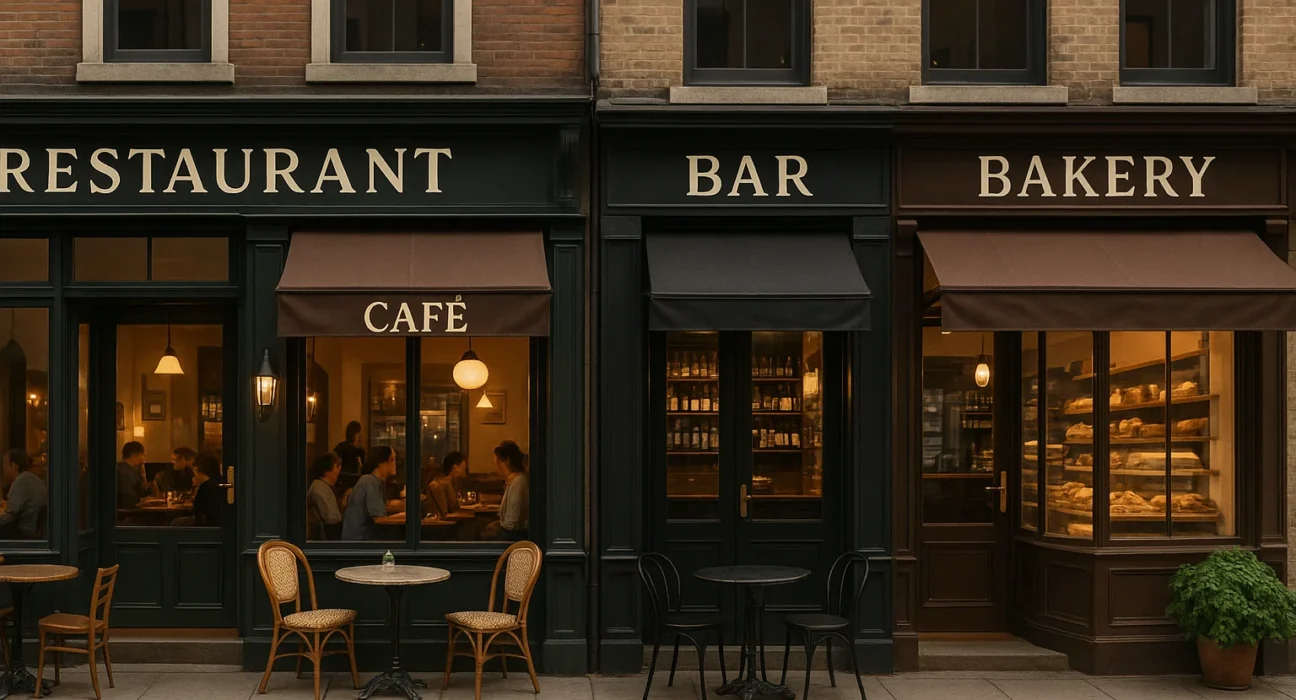
Navigating Allergies at Restaurants: A Friendly Guide
Understanding Allergies in Dining
Food allergies can significantly affect dining experiences, making it essential to recognize their importance. When dining out, many people might not realize that even trace amounts of allergens can lead to serious reactions. This is why communication with restaurant staff is vital. You deserve to feel safe while enjoying a meal, and understanding the risks is the first step. Imagine sitting down at a restaurant, excited about your meal, only to discover that an ingredient could harm you. By openly discussing your allergies with the server, you can ensure that your meal is safe. It’s not just about your comfort; it’s about safeguarding your health. So, let’s explore the best ways to navigate these conversations and enjoy dining out without worry.
The Importance of Communicating Allergies
Informing restaurant staff about your allergies is crucial for your safety. When you share this information, it allows the kitchen to take necessary precautions to avoid cross-contamination. Think about it: a shared fryer or cutting board can lead to a serious reaction if you’re allergic to something as common as peanuts or gluten. By being upfront, you help the staff understand the seriousness of your situation. Many restaurants take allergies seriously and have protocols in place, but they can only do so if you communicate your needs. This proactive approach not only protects you but also helps the restaurant serve you better. Understanding the importance of this dialogue can transform your dining experience into a safer, more enjoyable one.
How to Approach the Server
When you approach your server about allergies, it’s important to do so thoughtfully. Choosing a calm moment, like when they first greet you, can set a positive tone. Be clear and concise about your allergies, specifying which foods to avoid. For instance, saying, ‘I’m allergic to shellfish, so I need to ensure none is used in my meal,’ gives them a clear directive. You might also want to ask how they handle food preparation to gauge their awareness. Remember, it’s okay to express your concerns; after all, your health is on the line. A friendly approach helps create a collaborative atmosphere, making it easier for the server to assist you effectively. This way, you can enjoy your meal without worry.
Key Questions to Ask the Server
Asking the right questions can help ensure your meal is safe. Start by inquiring about the ingredients in the dishes you’re considering. Questions like, ‘Can you tell me if this dish contains nuts?’ or ‘How do you prepare your sauces?’ can provide clarity. Additionally, ask about potential cross-contamination. A good question could be, ‘How do you prevent allergen contamination in the kitchen?’ This shows you’re serious about your allergen concerns and encourages the server to take your needs seriously. Furthermore, inquire about the sourcing of ingredients; knowing where the food comes from can give you added peace of mind. These questions not only help protect you but also foster a culture of safety in dining establishments.
What Server Responses to Expect
When discussing allergies, it’s common to receive various responses from servers. Some may be well-informed and ready to accommodate your needs, while others might need to consult the chef or manager. If a server seems uncertain, don’t hesitate to ask them to check with the kitchen. Their willingness to seek assistance shows they care about your safety. Expect that some restaurants may have protocols for handling allergy inquiries, which can include using separate equipment or ingredients. Remember, communication is key! If a server cannot provide satisfactory answers, it’s okay to express your concerns and consider seeking a manager. Approaching these conversations with understanding can help create a safer dining environment for everyone.
Menu Options for Allergy Safety
Many restaurants now offer allergy-friendly menus or customizable options to cater to diners with specific dietary needs. This can be a game-changer for those with allergies, as it allows you to enjoy a wider variety of dishes without the added stress of potential allergens. Some establishments might even have symbols on their menus indicating allergens, making it easier to identify safe choices. If your favorite restaurant doesn’t offer such options, don’t hesitate to ask if they can modify a dish to accommodate your allergies. Chefs often appreciate the opportunity to create a safe meal tailored just for you. Exploring these alternatives can enhance your dining experience and make it much more enjoyable.
Dealing with Miscommunication
Miscommunication about allergies can be concerning, but there are strategies to handle it effectively. If you find that your allergies are not adequately addressed, calmly express your concerns to the server. Let them know about your specific allergies and why they are important to you. If necessary, request to speak with a manager, who may have more knowledge about food preparation and safety protocols. It’s essential to advocate for yourself; after all, your health is the priority. Documenting your allergies can also help in these discussions. By addressing the issue promptly and politely, you can work together to ensure a safe dining experience, fostering a culture of awareness and care.
After the Meal Check
After your meal, it’s a good idea to check in about your experience, especially if you have food allergies. This feedback is crucial, as it helps the restaurant understand how well they addressed your needs. If you experienced any reactions or concerns, sharing this information allows them to improve their practices for future diners. A simple conversation with the server or manager can lead to valuable insights and may even inspire changes in their approach to food allergies. Remember, your input is vital in creating a safe environment for everyone. By discussing your experience, you not only help yourself but also contribute to the restaurant’s growth and commitment to customer safety.
The Role of Allergy Awareness Training
Allergy awareness training for restaurant staff is a beneficial investment that enhances both safety and customer satisfaction. When employees understand the intricacies of food allergies, they can better assist diners and minimize risks. Training can cover essential topics like identifying allergens, safe food handling practices, and effective communication strategies. This knowledge empowers staff to handle allergy inquiries confidently and competently. Restaurants that prioritize this training often see a boost in customer trust and loyalty, as diners appreciate knowing their safety is valued. Ultimately, investing in allergy awareness training not only protects customers but also elevates the dining experience, creating a welcoming atmosphere for everyone.
Creating a Safe Dining Environment
Creating a safe dining environment involves several proactive steps that restaurants can take. For starters, clear labeling of menu items with allergen information helps diners make informed choices. Staff should receive regular training on food allergies and safe preparation practices to minimize cross-contamination risks. Establishing a dedicated area for preparing allergen-free meals can also enhance safety. Encouraging open dialogue between diners and staff fosters a culture of safety and respect. Additionally, restaurants can consider having an allergen-friendly menu or offering customizable options to accommodate various dietary needs. By implementing these strategies, establishments can ensure a more inclusive environment that prioritizes the safety and comfort of all customers.
Final Thoughts on Allergy-Friendly Dining
Dining out with food allergies can be a challenge, but effective communication and awareness can make it a pleasant experience. By being open about your allergies and asking the right questions, you empower yourself to enjoy meals without worry. Restaurants that prioritize allergy awareness create a safer environment, enhancing customer satisfaction. This mutual understanding between diners and staff fosters a culture of respect and care, ultimately leading to a more enjoyable dining experience. Remember, your safety comes first, and being proactive in communicating your needs is key. Together, we can ensure that dining out is a delightful experience for everyone, regardless of dietary restrictions.
Conclusion
In conclusion, navigating food allergies while dining out requires open communication and awareness from both diners and restaurant staff. By informing servers of your allergies, asking important questions, and providing feedback after your meal, you can contribute to a safer dining experience. Understanding the importance of allergy awareness training for restaurant staff further enhances safety and customer satisfaction. As we strive for more inclusive dining environments, your proactive approach plays a crucial role in ensuring that everyone can enjoy their meals without worry. So, the next time you dine out, remember to communicate your needs clearly and confidently, paving the way for a positive experience.