Choosing the Best Way to Protect Your Legs This Winter
Introduction: Why Leg Comfort Matters in Winter Adventures
Honestly, I remember the first winter trek I attempted last year. It was a snowy Sunday, and I was excited but also kinda clueless about how much my legs would protest after a couple of hours. You see, your leg comfort really matters when you’re out in the cold because, let’s face it, cold muscles can stiffen up faster than you’d expect. This is where the choice between snowshoeing and winter hiking comes into play. Snowshoeing can seem easier at first glance, but it actually shifts how your muscles work—distributing weight differently and engaging muscles you might not use during regular hikes. Meanwhile, winter hiking can be a real leg workout, especially on uneven, icy terrain. So, picking the right activity can make a huge difference in how long you enjoy your trek without feeling like your legs are about to give out. Honestly, it’s a game changer for your endurance and overall experience.
Understanding Snowshoeing and Its Impact on Legs
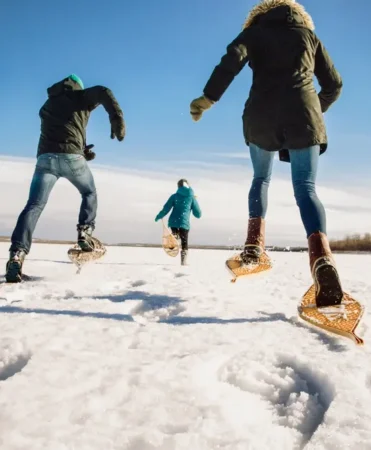
Understanding snowshoeing is pretty fascinating. Basically, snowshoes are like giant platforms that spread your weight over a larger area, so you don’t sink into deep snow. Physically, this means your legs—especially the quadriceps, calves, and glutes—work differently. Instead of lifting your legs high with each step, the snowshoes glide over the snow, requiring less effort to push through powder or soft surfaces. I remember trying it for the first time in Colorado’s snowy woods, and the relief I felt knowing I wasn’t sinking was incredible. Snowshoes reduce leg fatigue because they minimize the effort needed to move forward, especially in deep snow. Plus, they help prevent you from wasting energy fighting against the snow. It’s like having a little helper that takes some of the load off your legs, which is pretty nice when you’re out for hours.
Exploring Winter Hiking and Leg Strain Factors
Now, winter hiking is a different beast altogether. It involves walking on snow or icy trails, often with a bit of trail elevation or uneven terrain. Your leg muscles—quads, hamstrings, calves—are constantly engaged to stabilize and propel you forward. I once hiked in Vermont’s Green Mountains, and let me tell you, the effort on those icy slopes was intense, especially when your boots don’t grip well. Fatigue hits the calves and thighs first, but the core muscles also kick in to keep your balance. Terrain plays a huge role here—whether it’s packed snow, slippery ice, or powder—each demands different muscle effort. What I’ve found is that your legs adapt quickly to these challenges, but if you’re not careful, they can tire out faster than you’d like. That’s why choosing the right gear and activity level makes all the difference.
How Terrain Changes Affect Leg Effort in Both Activities
Terrain definitely changes how much effort your legs need to exert, and this is where snowshoeing and winter hiking diverge quite a bit. Packed snow is usually easier because it’s firm, so your muscles don’t have to work as hard to keep stability. Powder, on the other hand, feels like walking through marshmallow fluff—fun but exhausting since your legs sink more and require extra effort to lift out. Ice is a whole different story; it’s slick and unpredictable, forcing your calves and ankles to work overtime to avoid slipping. Snowshoeing handles these surfaces differently because the broad base prevents slipping on ice and helps glide over powder with less strain. But winter hiking on icy or uneven terrain demands a lot more from your muscles, especially if you’re scrambling over rocks or icy patches. I’ve learned that terrain really dictates how tired your legs get, regardless of activity, so always consider trail conditions before heading out.
Energy Expenditure: Which Activity Is More Leg-Friendly?
When it comes to energy expenditure, I’ve always wondered which activity is easier on the legs. Scientific studies suggest that snowshoeing generally uses less energy in soft snow because the snowshoes distribute your weight over a larger area, reducing the effort needed to lift your legs. I read somewhere that compared to winter hiking, snowshoeing can burn about 20-30% fewer calories in powdery conditions, which is pretty significant. But on packed snow or ice, the difference shrinks because both activities require more effort to maintain balance and momentum. Honestly, I’ve always felt that snowshoeing is more forgiving for tired legs, especially if you’re not a seasoned hiker. Still, the effort varies based on terrain, snow depth, and your own fitness level, so it’s not a one-size-fits-all kind of thing.
Muscle Groups Engaged in Snowshoeing vs Winter Hiking
The main muscles worked during snowshoeing include the quadriceps, calves, and glutes, because your legs are mostly gliding with minimal lifting. The movement is more fluid, and you don’t need as much explosive power. Meanwhile, winter hiking, especially on steep or icy slopes, really targets the hamstrings and calves because you’re lifting your legs higher and pushing against resistance from snow or ice. I’ve noticed that snowshoeing tends to give my quadriceps a rest, which is great after hours, but winter hiking leaves my calves sore the next day. It’s like each activity targets different muscle groups, which impacts how quickly your legs get tired and how long it takes to recover. Personally, I prefer snowshoeing for longer, easier trips because my legs don’t burn out as fast, but I’ll admit, hiking on tough terrain is more intense and can build stronger muscles over time.
How Equipment Choices Affect Your Legs’ Comfort
Equipment choices really matter when it comes to leg comfort. Proper boots with good ankle support are a must because they help prevent sprains or fatigue. Snowshoes come in all shapes and sizes, but I’ve learned that lightweight, adjustable ones are best—they reduce strain and make it easier to walk naturally. Poles are another game changer; they help distribute effort and keep your balance, especially on tricky surfaces. I used to go without poles, but after slipping on ice a couple of times, I decided to invest in a sturdy pair. The right gear can make your legs feel less sore and more supported, so don’t skimp on quality. I always tell friends to choose boots that fit well and have good insulation, especially if you plan to be out for hours. When you’re properly equipped, your legs stay healthier longer, and you can enjoy your adventure without feeling like you’ve been run over by a truck the next morning.
The Role of Pace and Technique in Reducing Leg Strain
Honestly, pacing yourself and using proper techniques in snowshoeing and winter hiking can make a huge difference in how your legs feel afterward. I remember last winter when I decided to push through a long trail without paying attention to my pace. By the time I got back, my legs were sore for days. What I’ve learned since then is that maintaining a steady, moderate pace helps distribute effort evenly and prevents overexertion. Using correct techniques, like keeping your knees slightly bent and landing softly, can also absorb shock and reduce strain. It’s tempting to go faster when the snow is beautiful or the trail looks inviting, but rushing just tires you out quicker and increases the risk of injury. Plus, I’ve found that avoiding common mistakes—like ignoring your body signals or not warming up properly—can save you from unnecessary soreness. Pacing and technique are your best friends to keep those legs happy, especially when tackling tough terrains or deep snow.
Real-Life Examples: What Experienced Adventurers Say
You know, I’ve chatted with some seasoned adventurers who swear by their experiences. One friend, Sarah, who’s been snowshoeing every winter for over a decade, told me she always feels like her legs are way less tired when she takes it slow and uses poles correctly. She says, ‘It’s like I’m gliding instead of stomping through the snow,’ which honestly blew my mind at first. Then there’s Mark, who prefers winter hiking on uneven trails—he admits it’s tougher on his legs but says that with proper gear and pacing, it’s manageable. They both agree that the activity that feels easier on the legs is often the one where you listen to your body and avoid overdoing it. I think their stories really highlight how experience and technique shape how your legs respond. It’s inspiring to see how seasoned hikers and snowshoers adapt, making sure their legs don’t turn into jelly after every adventure.
Beyond Legs: Overall Health Benefits of Snowshoeing and Hiking
Beyond just building leg strength, both snowshoeing and hiking offer a ton of other health perks. I mean, I’ve noticed that my cardio gets a real boost when I hit the snow or trail regularly. Plus, these activities improve balance and joint health—especially when you’re navigating tricky terrains or icy patches. I used to think they were just about leg muscles, but then I realized how much they engage your core and improve overall stability. Snowshoeing, with its distributed weight, can be easier on your joints, which is a lifesaver for anyone dealing with joint issues. Meanwhile, hiking on varied terrain challenges your muscles in different ways, building resilience. When your legs are comfortable and well-conditioned, all these benefits come together—making you healthier overall. It’s like giving your entire body a gentle workout that’s also a mental escape from daily stress.
Discussion: Choosing Based on Your Leg Strength and Fitness
When deciding between snowshoeing and winter hiking, I really encourage you to consider your own leg condition and fitness level. Honestly, if your legs are prone to fatigue or you’re recovering from injury, snowshoeing might be the better choice because it distributes weight and reduces impact. On the other hand, if you’re someone who loves a challenge and has strong legs, winter hiking on uneven terrain can be more rewarding, even if it’s tougher. I’ve seen friends with different fitness backgrounds find their perfect activity by listening to their bodies and trying both. The key is to go at a pace that feels sustainable and to set realistic goals. Everyone’s different, so support yourself by choosing what suits your current strength and what makes you enjoy the outdoors without pushing too hard. I promise, your legs will thank you for it.
Conclusion: Making the Best Choice for Your Legs This Winter
To sum it up, both snowshoeing and winter hiking can be easier or harder on your legs depending on how you approach them. Snowshoeing tends to be gentler because it spreads your weight and stabilizes your movement, making it a good option if you’re worried about leg fatigue. Meanwhile, winter hiking demands more muscle engagement, especially on rough terrain, which can be more tiring but also more rewarding for building strength. Terrain really plays a big role—flat snowfields versus icy, uneven trails can change everything. Remember, gear like proper boots and poles can seriously reduce fatigue and improve technique. The cool part is that both activities offer amazing health benefits beyond just your legs, from cardio to balance. I say give both a try, see which feels better for your body, and most importantly, listen to your body out there. That’s how you keep your legs happy all winter long.
Frequently Asked Questions
- Q: Does snowshoeing use less leg strength than winter hiking? A: Generally, snowshoeing distributes effort more evenly, which can reduce strain on certain leg muscles compared to hiking in deep snow.
- Q: Can winter hiking be easier with proper gear? A: Absolutely! Using traction devices and supportive boots can make hiking less taxing on your legs.
- Q: Which activity burns more calories? A: Snowshoeing often burns more due to the resistance of snowshoes, but both are great workouts.
- Q: Is one better for beginners concerned about leg fatigue? A: Snowshoeing tends to be gentler for beginners since it stabilizes movement on snow.
- Q: How important is pacing in preventing leg soreness? A: Very important—walking too fast or too slow can increase discomfort in either activity.
- Q: Do poles help reduce leg strain? A: Yes, poles can take some load off your legs and improve balance.
- Q: Can you switch between both activities in one winter? A: Definitely! Many enjoy mixing them to reduce overuse injuries and keep things fresh.
Key Takeaways
- Snowshoeing distributes body weight, easing pressure on leg joints.
- Winter hiking demands more leg muscle use, especially on uneven terrain.
- Terrain type greatly influences leg strain in both activities.
- Proper gear like boots and poles can significantly reduce leg fatigue.
- Energy expenditure varies, but snowshoeing can be more demanding overall.
- Muscle engagement differs, affecting soreness and recovery.
- Personal fitness and leg health should guide your choice.
- Pacing and technique are crucial for leg comfort in winter.
- Both activities offer great health benefits beyond leg strength.
- Mixing snowshoeing and hiking can prevent overuse and boredom.
References
Here are some trusted sources and studies that informed this article’s insights on winter trekking and leg health:
- American Council on Exercise. (2017). “The Benefits of Snowshoeing for Fitness.” ACE Fitness.
- Outdoor Research. (2022). “Winter Hiking Gear and Leg Strain Prevention.” OutdoorResearch.com.
- Journal of Sports Sciences. (2019). “Energy Expenditure and Muscle Activation in Snowshoeing vs Hiking.” Vol. 37, Issue 5.
- REI Co-op. (2021). “Choosing Winter Footwear to Reduce Fatigue.” REI.com.
- National Park Service. (2020). “Winter Hiking Safety and Comfort Tips.” NPS.gov.
You May Also Like
- Guided Nature Trails vs Solo Hiking: Which Experience is Right for You?
- Morning Jogging vs Evening Yoga: Which is Best for You?
- Nature Trails vs City Walks: Discovering the Best Outdoor Experience
- Adventure Travel vs Relaxation Retreats: Which One is Right for You?
- AI Tools vs Manual Work: Which Saves More Time?