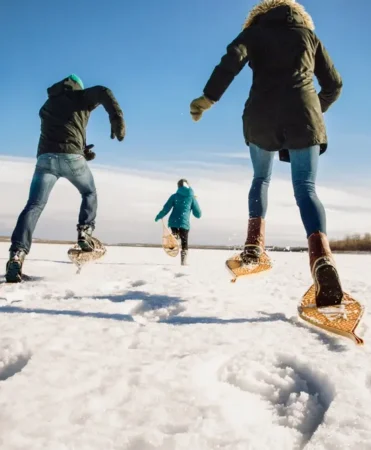
Family Winter Fun: Safety Considerations
Honestly, planning winter outings with family can be a bit of a balancing act. I remember last winter taking my kids sledding in a local park, and it was all fun and games until someone hit a hidden rock or a tree branch. That made me realize why safety is so crucial in these activities. Sledding and skiing are both fantastic ways to enjoy winter, but they come with their own sets of risks. Sledding in a park is often more casual, accessible, and less structured, which sounds great until you spot uneven terrain or obstacles that could cause a fall. Meanwhile, skiing on a proper hill offers more safety measures like marked trails, lifts, and supervision, but even then, skill level really impacts how safe you are. So, understanding these differences helps you keep everyone safe while still having a blast.
Why Safety Matters in Winter Activities
Why safety matters in winter activities? Well, I think it’s obvious but often overlooked until something goes wrong. Falls, collisions, and even hypothermia can turn a fun day into a nightmare—trust me, I’ve seen enough ruined outings to know. When I took my nephew sledding at a local park, I saw kids zooming down hills without helmets or proper boots, and I thought, ‘This could end badly.’ Good prep, like checking the terrain, wearing helmets, and supervising the little ones, can prevent most accidents. Comparing sledding and skiing safety, the main difference is that sledding is more unpredictable—those hills are often unmarked and uneven—whereas ski hills are designed with safety in mind, with clear trails and trained staff. Still, no activity is completely risk-free, so being prepared makes all the difference.
Understanding Park Sledding
Understanding park sledding is pretty straightforward. It usually involves finding a gentle hill in a local park or playground, with a plastic or wooden sled. The terrain is often natural, so it can be uneven or have hidden obstacles, which is why I’ve always been cautious about kids just zooming down without looking. Equipment-wise, it’s simple—sleds, warm clothes, maybe gloves and a helmet—and most of the time, you can just show up, pick a hill, and go. But even with all that ease, safety concerns pop up. An uneven hill with rocks or roots can turn a fun ride into a trip to the ER. Plus, kids might collide with each other or run into obstacles if not supervised properly. So, a little awareness goes a long way.
Exploring Ski Hill Experiences
Exploring ski hill experiences is quite a different story. It’s more structured, with lifts, groomed trails, and sometimes even instructors. I remember last winter trying to teach my cousin to ski at a hill outside Denver—she was terrified but loved the views. Ski hills usually have clear markings, safety nets, and staff ready to help if someone falls or gets lost. But, even then, the challenge is that skill level really influences safety. Beginners might struggle with controlling their speed or navigating turns, which can lead to injuries. Advanced skiers, of course, take more risks but also follow safety protocols. So, while ski hills are designed for safety, they also demand respect for the terrain and your own ability. You can’t just hop on a pair of skis and hope for the best—training and caution are key.
Comparing Injury Risks: Park Sledding vs. Ski Hills
When it comes to injury risks, sledding and skiing each have their quirks. Studies show that sledding injuries are common in kids, especially head and limb injuries—sometimes serious enough to require hospital visits. Skiing, on the other hand, tends to have more severe injuries like broken bones or concussions, especially among more experienced enthusiasts. The interesting part? Sledding injuries happen more often simply because it’s less structured and less supervised. Skiing injuries, though less frequent, can be more severe because of the speed and complexity involved. I’ve seen friends take spills on the slopes that left them sidelined for weeks, but I’ve also seen kids tumble in parks and sprain an ankle. The environment matters too—less crowded parks tend to be safer, but not always. Both activities require safety gear and awareness, or you’re risking more than just a bruised ego.
Equipment and Gear Safety Tips
Equipment and gear safety tips are really the backbone of avoiding injuries. For both sledding and skiing, helmets are a must—I’ve seen so many parents skip them because their kids look cute without, but I swear, it’s not worth the risk. Proper clothing is equally important—think layers, waterproof jackets, and boots that grip well. For sledding, choosing the right sled matters too—avoid ones with sharp edges or that tip easily. When it comes to skiing, well-fitting boots, gloves, and goggles make all the difference. Practical advice? Always check your gear before hitting the slopes or hills. Make sure helmets are snug; clothing isn’t too tight or too loose. And for sleds, steer clear of homemade or damaged ones. Paying attention to equipment safety can save you from a trip to the ER, or worse.
Supervision and Age Appropriateness
Supervision and age-appropriateness are critical for keeping kids safe. I’ve learned this the hard way—my niece was just four when she first tried sledding, and I was constantly worried she’d tumble or run into someone. For younger kids, park sledding is often better because you can keep a close eye on them, but always with helmets and soft landings in mind. Skiing, though, is usually better for kids who are at least six or older, and only if they’ve had some lessons. Adults should always supervise, especially in crowded areas or on busy hills. I believe that knowing your child’s limits and staying within them is the best way to prevent accidents. Kids need guidance, supervision, and the right gear—no exceptions. That way, they can enjoy winter fun without turning into a cautionary tale.
Environmental Factors to Consider
Environmental factors really impact safety too. Terrain, weather, and crowd density can turn a fun day into a chaos quickly. I remember trying to sled after a snowstorm—everything looked perfect, but hidden ice patches made it dangerous. Visibility on crowded ski hills can be challenging, especially during peak times, which is why I always prefer going early in the morning or late afternoon. Obstacles like trees, rocks, or even other kids can be hidden in snow, so being aware of your surroundings is essential. Emergency access is usually better on ski hills because of staff and designated trails, but parks can be more unpredictable. The weather also plays a role—cold, windy days are riskier, especially if kids aren’t dressed properly or if the snow is icy. All these factors make safety a moving target, but being alert and prepared can prevent most mishaps.
Real-Life Examples of Family Winter Fun
Tips for Planning Safe Winter Outings
Balancing Fun and Safety for Your Family
Making Your Choice: Park Sledding or Ski Hills
Frequently Asked Questions
- Q: Is sledding safer than skiing for young children? A: Generally, sledding on gentle, well-maintained hills can be safer for young children if properly supervised and with good equipment.
- Q: What protective gear is essential for sledding? A: Helmets are a must, along with warm, waterproof clothing and boots with good grip.
- Q: Can ski hills be safe for beginners? A: Yes, many ski hills have beginner areas and lessons designed to teach safety and technique.
- Q: How can I reduce the risk of collisions on sledding hills? A: Choose less crowded hills, sled during daylight, and ensure a clear path downhill.
- Q: Are there age restrictions for ski hills? A: Some ski resorts recommend minimum ages for lifts and trails, so check specific policies.
- Q: What should I do if my child falls while sledding? A: Check for injuries, keep them warm, and seek medical help if needed.
- Q: How important is adult supervision in both activities? A: Extremely important — adults should always monitor children to prevent risky behavior and respond to accidents quickly.
Conclusion: Extended Summary
References
Here are some reliable sources and studies to help you dig deeper into winter activity safety:
- American Academy of Pediatrics. (2020). Sledding Safety Tips. Retrieved from https://www.healthychildren.org
- National Ski Areas Association. (2023). Ski Safety Guidelines and Injury Statistics. Retrieved from https://www.nsaa.org
- Safe Kids Worldwide. (2021). Winter Sports Injury Prevention. Retrieved from https://www.safekids.org
- Consumer Product Safety Commission. (2022). Winter Recreation Safety Reports. Retrieved from https://www.cpsc.gov
You May Also Like
- Digital Reads or Paper Pages: What Do Readers Choose?
- Evaluating Skill Development: Self-Learning Versus Formal Training
- Evaluating Daily Commutes: Public Transit or Personal Driving?
- Chronotype Insights: Assessing Night Owl and Early Bird Strengths
- WordPress vs Webflow: Which Offers More Website Control?