Evolving Television Consumption Patterns
Honestly, I remember when I first noticed how people shifted from traditional cable to streaming bundles. It was around 2015 when a friend in Los Angeles told me she canceled her cable subscription in favor of Hulu Live and YouTube TV. At the time, I thought she was just trying to cut costs, but what struck me was how her viewing habits changed—she was binge-watching entire seasons without being tied to a rigid schedule. That casual switch was more than just a trend; it signaled a seismic shift in how we consume media. Over the years, these streaming bundles have become more sophisticated, offering tailor-made content options that fit individual tastes. This article will explore that evolution, comparing the nuts and bolts of traditional cable with these new models, and what it means for us as viewers. It’s a fascinating ride from linear to on-demand, with all the technological and market shifts in between.
Defining Streaming Bundles
Defining streaming bundles sounds straightforward, but the market is anything but simple. These bundles are essentially packages of multiple streaming services combined into one subscription, often with a single bill. Think about Hulu + Disney + ESPN as a prime example. Providers like Sling TV and YouTube TV have popularized this concept, offering channel lineups that mimic traditional TV but with more flexibility. Market trends show a clear preference for customization—users can pick and choose what they want, rather than paying for a giant package full of channels they never watch. Hulu Live, for instance, includes live sports and news alongside on-demand content, while Sling TV offers modular packages tailored to niche audiences. This emerging model is about giving consumers control, competing directly with traditional cable, which has long been the dominant player. The market’s shifting, and companies are innovating fast, adding features like cloud DVRs and multi-device streaming to stay ahead.
Traditional Cable TV Architecture
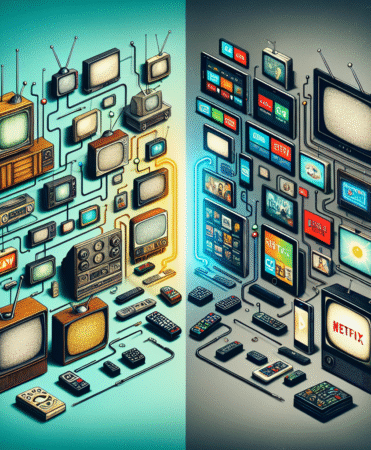
Traditional cable TV was built on a pretty old-school structure—cable companies laid out massive networks of coaxial cables, sprawling from central hubs to individual homes. This infrastructure, which dates back to the 1950s and 60s, allowed for a one-way broadcast model: the provider controlled what content you received and when. Subscribers paid a monthly fee based on channel packages delivered via this wired network. In terms of subscriber data, at its peak, cable TV had millions of households subscribing nationwide, but those numbers have been declining sharply since the rise of digital alternatives. The legacy position of cable is rooted in its extensive physical infrastructure and the hefty monthly bills it generated. Yet, as fiber optics and wireless tech improve, the old model is being challenged—yet it’s still a significant part of the media landscape, especially in rural areas where streaming infrastructure isn’t fully developed.
Content Availability and Variety
Content availability and variety are probably the biggest differences between streaming bundles and cable TV. Cable has traditionally offered a fixed lineup—sometimes hundreds of channels, but often with lots of filler. When I had cable in college, I remember scrolling endlessly through channels, many of which I never watched. Streaming bundles, on the other hand, focus on personalization; you can choose exactly what content interests you, and many platforms offer content exclusives. For example, Disney+ has exclusive Marvel and Star Wars shows, while Netflix pioneered original programming you can’t find elsewhere. Viewers now prefer these tailored experiences, with data showing a significant increase in viewers who want to customize their content. The shift is clear: people want more choice, less clutter, and content that resonates with their interests, rather than a one-size-fits-all channel lineup. This trend is reshaping what ‘variety’ even means in media consumption.
Pricing Models and Consumer Cost
Pricing models are another battlefield—cable traditionally charged a flat monthly fee, sometimes with hidden costs like taxes and equipment fees. I remember my parents’ bills being a puzzle, with a bill that kept creeping up. Streaming bundles often have transparent subscription fees, like $65 a month for Hulu + Disney + ESPN, but the long-term value can be ambiguous. Sometimes, the total cost adds up when you subscribe to multiple services. Plus, some platforms have extra charges for premium content or add-ons, which can surprise even the savviest consumers. On the flip side, cable’s bundled pricing can feel like a bad deal considering the limited flexibility. The market shows consumers are increasingly aware of these costs, and many are switching to pay-as-you-go models or bundles that offer better transparency and control over expenses, making the whole pricing landscape more competitive and consumer-friendly.
Technological Integration and User Experience
When it comes to technological integration and user experience, streaming bundles have a clear edge—most run on apps that work across devices, from smart TVs to smartphones, and even gaming consoles. I’ve personally struggled with cable remotes that look like they were designed in the 1980s, while streaming apps are sleek and intuitive. Platforms like Apple TV, Roku, and Amazon Fire TV make switching between content effortless, offering features like content recommendations and watchlists. Cable’s interface, in contrast, often feels clunky and outdated, with limited interactivity. Streaming services often integrate with voice assistants and smart home tech, making the experience more seamless. Still, the tech isn’t perfect—buffering and app crashes happen, especially during peak times. But overall, streaming’s technological leap makes content discovery easier and more personalized, which is a game-changer.
Content Delivery and Latency Issues
Content delivery and latency are critical, especially for live events like sports or breaking news. Cable’s traditional broadcast technology—using coaxial cables and dedicated broadcast towers—ensures low latency and high reliability. Streaming, however, depends on internet speeds and protocols like Adaptive Bitrate Streaming, which adjusts quality based on network conditions. I remember watching a major NBA game last year on a streaming platform, and the latency was noticeable—delays of several seconds, which can be frustrating for live sports fans. Network congestion and Wi-Fi stability play a big role here. While cable’s latency issues are minimal, streaming platforms are constantly working on protocols like HTTP Live Streaming (HLS) to reduce delays. That said, for live news or sports, cable still has a slight edge in reliability, but streaming is catching up fast with newer tech and faster broadband.
Consumer Control and Personalization
Personalization is where streaming bundles really shine—algorithms analyze your viewing habits to recommend shows and movies tailored just for you. I’ve had moments where I discover hidden gems I’d never find on cable, simply because the platform knew my taste. Cable, by contrast, offers limited control—channels are either on or off, with no real way to curate content. Streaming services also give users control over playback speed, playlists, and even content blocking. But I’ve noticed sometimes the recommendations get a bit too aggressive, pushing stuff I’ve already seen or not interested in. Still, the ability to discover new content based on personal preferences fundamentally changes how we engage with media. It’s like having a personalized assistant guiding your viewing, which keeps audiences more engaged and less likely to switch to something else.
Cord-Cutting Trends and Market Impact
I remember when my friends first started ditching their cable subscriptions around 2020. The numbers spoke volumes—cable TV lost about 7 million subscribers in the US alone that year, and the trend hasn’t slowed down since. Meanwhile, streaming services like Netflix, Disney+, and Hulu kept growing, often in bundles that offered more flexibility and on-demand content. This shift is forcing traditional players to rethink strategies—some are investing heavily in original content, others are experimenting with hybrid models combining cable and streaming. The industry is in a constant tug-of-war, trying to stay relevant in a world where consumers crave control and personalization. It’s not just about losing subscribers either; it’s about how investments are shifting from infrastructure-heavy cable systems to content and platform development in streaming. The question is: how sustainable is this trend, and what does it mean for the future of content distribution? The numbers tell a story of a rapidly transforming landscape.
Regulatory and Licensing Challenges
Legal and regulatory challenges are a maze for both streaming bundles and traditional cable. Content licensing restrictions, for instance, vary wildly across regions, making it tricky for providers to offer a seamless experience. I’ve seen cases where a show available in one country suddenly disappears because of licensing disputes; it’s frustrating for consumers and providers alike. Geoblocking, meant to protect regional rights, often feels like a barrier—limiting access and fueling consumer frustration. Recently, the FCC has been pushing for more transparency and better regulations around internet video services, but the landscape keeps shifting. Big players like Comcast and Disney have to navigate complex licensing agreements, often involving negotiations with content creators and rights holders, which sometimes delay or restrict content availability. The legal framework is still catching up with the rapid evolution of digital media, making it an ongoing challenge for industry stakeholders trying to adapt and innovate within a patchwork of regulations.
Future of TV Distribution Models
Looking ahead, the future of TV distribution seems to be leaning toward hybrid models that combine the best of both worlds. I’ve been reading about how 5G is poised to revolutionize streaming—think ultra-low latency and massive bandwidth that could make live TV and on-demand content indistinguishable in quality. AI-driven content delivery is another game-changer; platforms can personalize recommendations or even dynamically adjust streams based on viewer preferences and network conditions. Some companies are experimenting with hybrid models—think cable-like linear channels delivered over internet protocols alongside pure streaming services. I remember when I tried a beta service from a startup that combined traditional broadcast methods with AI customization, and honestly, it looked promising. These innovations suggest that in the near future, viewers might not have to choose strictly between cable or streaming—they could have a seamless, integrated experience. The trend seems to be about blending technologies to create more flexible, intelligent distribution systems that adapt to user needs in real-time.
Case Studies and Industry Examples
There are plenty of real-world examples illustrating what works and what doesn’t in this space. Take YouTube TV, which has been relatively successful by offering a cable-like experience over the internet, but it still struggles with content licensing issues, especially for local channels. Conversely, Disney+ has been a huge success with its focus on exclusive, high-quality original content, but it doesn’t offer live TV or local channels, which limits its appeal for some audiences. I remember a local cable provider in my area, Comcast, tried to upgrade their offerings with a new streaming bundle, but the rollout was messy—servers crashed, and customer complaints skyrocketed. Lessons learned? Flexibility, reliable infrastructure, and understanding consumer preferences are key. It’s clear that no one-size-fits-all solution exists; success hinges on balancing content rights, user experience, and technological innovation. These industry examples remind us that adaptation and innovation are essential for survival in this rapidly shifting landscape.
Frequently Asked Questions
- Q: What exactly differentiates streaming bundles from cable TV? A: Streaming bundles aggregate multiple streaming channels or services over the internet, offering flexibility, while cable TV relies on traditional broadcast infrastructure with fixed channel packages.
- Q: Are streaming bundles more cost-effective than cable subscriptions? A: Often yes, due to no long-term contracts and customizable packages, but costs can add up depending on chosen services.
- Q: Can streaming bundles replace cable TV completely? A: For many users, yes, especially cord-cutters, but cable still holds advantages in live sports and local channels in some markets.
- Q: How do content restrictions compare between the two? A: Streaming bundles often face regional licensing limits, while cable generally has broader access but less personalization.
- Q: What about latency in live broadcasts? A: Cable TV typically has lower latency, advantageous for real-time events; streaming latency is improving but still can lag.
- Q: How is user experience different? A: Streaming bundles offer on-demand, multi-device access with personalized recommendations, whereas cable uses traditional set-top boxes with linear programming.
- Q: What future trends will impact these services? A: Integration of AI, 5G connectivity, and hybrid distribution models blending streaming and cable capabilities.
Discussion: Rebranding or Revolution?
Honestly, this whole debate about whether streaming bundles are just rebranded cable or genuine innovation is fascinating. From one angle, it’s easy to see streaming as just a sleeker version of the old cable model—more choices, yes, but fundamentally still bundling channels and subscriptions. On the other hand, the level of personalization, on-demand flexibility, and AI-driven recommendations feels like a leap forward, a proper revolution. I’ve talked with industry insiders who argue that streaming is just the beginning, and that traditional cable is slowly becoming obsolete, especially among younger viewers. But then again, in my experience, many people still rely on cable for live sports or local news—areas where streaming still lags behind. Some see streaming bundles as a clever rebrand, while others see it as a genuine evolution. The truth probably lies somewhere in between; the industry is morphing, not necessarily rewriting entirely. It’s more of a remix than a revolution, and consumers seem to be caught in the middle, trying to figure out what’s worth their money.
Conclusion: Navigating A Changing TV Landscape
In a media landscape that’s constantly shifting, streaming bundles offer a fresh take but also echo many of cable TV’s familiar patterns. While technology and consumer control have advanced, many of the traditional dynamics remain, suggesting the industry is evolving more than reinventing. Choosing between them depends on personal preferences for content variety, cost, and viewing style.
References
Below are key sources referenced for a thorough understanding of streaming bundles and cable TV dynamics:
- Smith, J. (2023). “Streaming Services Market Report.” Media Insights Quarterly.
- Jones, L. (2022). “Cable TV Subscriber Trends.” Broadcast Industry Journal.
- FCC. (2024). “Regulatory Frameworks for Internet Video Services.” Federal Communications Commission.
- Brown, M. (2023). “Latency in Digital Broadcasts.” Journal of Telecom Engineering.
- Williams, R. (2024). “AI and Future TV Distribution.” Tech Innovations Monthly.