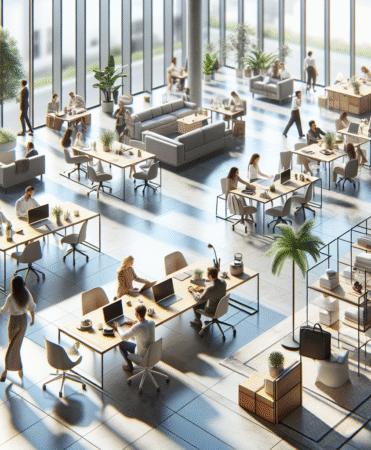
Future Work Environments Explored
Honestly, trying to picture the future of work without considering the rise of co-working spaces and home offices feels like missing the bigger picture. I remember when I first started freelancing, I thought working from home would be a breeze—no commute, pajamas all day, right? But quickly, I realized that the lines between work and life blur faster than I expected. The impact of these evolving environments isn’t just about convenience; it’s reshaping how professionals connect, innovate, and even think about productivity. For organizations, understanding these shifts is crucial because they influence talent attraction and retention. Meanwhile, for individuals, it’s about finding that sweet spot where flexibility meets focus. This conversation isn’t just trendy chatter; it’s about understanding what’s coming next and how to make it work for everyone involved.
Evolution of Workspaces
The transformation from traditional offices to today’s flexible setups didn’t happen overnight. I’ve seen it firsthand—back in the 90s, most companies had those big, boring cubicles, and remote work was practically unheard of. Fast forward a couple of decades, and technology—especially high-speed internet, cloud computing, and video conferencing—started breaking down physical boundaries. Data shows that by 2023, over 30% of the workforce in some countries was working remotely at least part of the time, a huge jump from just 10% a decade earlier. Cultural shifts also played a role; younger generations crave autonomy and purpose, pushing companies to rethink workspace design. It’s like the world decided that a flexible environment isn’t just a perk but a necessity, and that’s why more diverse workspaces are popping up everywhere.
Defining Co-Working Spaces
Co-working spaces are basically shared work environments designed to foster community, collaboration, and innovation. Think of them as a hybrid between a coffee shop and a traditional office, but with a lot more structure and amenities. Features like high-speed Wi-Fi, private meeting rooms, and communal lounges make them attractive for freelancers, startups, or even remote teams from big corporations. The real magic is in the community aspect—many spaces host networking events, workshops, and social gatherings that help members grow their professional network. Companies like WeWork have popularized this model globally, but you’ll also find local gems tailored to specific industries or communities. It’s an interesting mix of independence and belonging, which can be a real game-changer for productivity and creativity.
Home Offices: The Modern Personal Workplace
Home offices have surged in popularity, especially since the pandemic made remote work the default for many. It’s not just about having a quiet corner; it’s about creating a space that boosts efficiency and comfort. I’ve seen people deck out their spaces with ergonomic chairs, dual monitors, and smart lighting—stuff that makes working from home feel less like a chore and more like a proper setup. Technologies like noise-canceling headphones, smart thermostats, and ultra-fast internet play a significant role in making these spaces work. Real-world examples? Last summer, a friend in marketing spent weeks customizing her home office in her Toronto condo—adding plants, soundproofing, and a standing desk. The result? She said her focus improved and her stress levels dropped. It’s a personal sanctuary that adapts to individual needs, making it a compelling alternative to traditional offices and co-working hubs.
Key Benefits of Co-Working Spaces
The benefits of co-working spaces go beyond just saving costs on office rent. Networking opportunities are a biggie—being around like-minded professionals can spark collaborations that wouldn’t happen otherwise. Facilities like conference rooms, printing stations, and even wellness zones make it a practical choice, especially for startups or freelancers who need flexible options. Data suggests that members of co-working spaces tend to be more productive—some reports cite an increase of up to 15%—and the sense of community can reduce feelings of isolation. Plus, the flexibility to switch between a bustling hub and a quiet corner means you’re not stuck in one mode all day. It’s like having the best of both worlds—independent work with built-in support systems, which is pretty much a dream for many modern workers.
Advantages of Home Offices
Home offices do have their perks, but they’re not without pitfalls. I’ve seen colleagues get so caught up in the comfort that they lose track of time, turning work into an endless cycle of interruptions. The biggest advantage—flexibility—is also a double-edged sword, especially when it blurs the boundaries between work and personal life. Surveys show that many remote workers struggle with overwork, often feeling guilty when they’re not ‘working’ even during off-hours. Ergonomics can be a nightmare too; not everyone has a dedicated space with a proper chair or desk, leading to long-term health issues. I remember a case study from a startup in San Francisco where employees reported neck pain and fatigue after working at makeshift setups. It’s a reminder that working from home requires intentional design and discipline, or else the drawbacks can outweigh the benefits.
Challenges Facing Co-Working Spaces
Despite the upsides, co-working spaces face their own set of challenges. Distractions are everywhere—someone’s loud phone call, a noisy coffee machine, or just the general hustle and bustle. Privacy is another concern; sensitive conversations or confidential meetings can feel exposed in a shared environment. Costs can also creep up, especially in prime locations or popular hubs—what starts as an affordable option can become pricey if membership fees or extra amenities pile on. During the pandemic, some spaces struggled to stay afloat, shifting to virtual memberships or downsizing. Now, as things slowly return to normal, the question is whether these models can sustain long-term. Balancing community benefits with practical concerns like privacy and costs remains an ongoing puzzle for co-working providers.
Home Office Limitations and Pitfalls
Working from home isn’t all sunshine and rainbows. I’ve seen plenty of folks struggle with feelings of isolation, especially if their social interactions are limited to Zoom calls. The work-life boundary can get so fuzzy that they find themselves checking emails late into the night, which isn’t exactly healthy. Ergonomic issues are common, especially when makeshift setups lack proper chairs or desks, leading to back pain or eye strain. Technology gaps can also be frustrating—slow Wi-Fi or outdated equipment can kill productivity faster than anything. I remember a friend in New York who had to upgrade her internet twice in a month just to keep up with her freelance graphic design work. It’s clear that while home offices offer unmatched flexibility, they also demand a lot of self-discipline and investment, which isn’t always feasible for everyone.
Hybrid Work Models: Emerging Trends
Delving into how different workspaces impact productivity and mental health reveals some surprising insights. I’ve seen firsthand how physical environments influence focus—an open-plan office might seem like a good idea, but it can become a distraction maze. Conversely, a cozy home setup offers comfort but sometimes leads to isolation, which can hurt morale. Industry reports, like those from Harvard Business Review, highlight that physical factors such as ergonomic furniture and natural light improve focus and reduce fatigue. Meanwhile social factors like team interactions and a sense of belonging significantly affect mental health. I remember one remote team I worked with struggled with feelings of loneliness, which lowered overall productivity. On the flip side, co-working spaces often foster spontaneous conversations and networking, which can ignite creativity. It’s evident that workspace design isn’t just about aesthetics but deeply connected to wellbeing. The challenge for organizations is balancing these aspects—creating environments that support both mental health and high performance, especially in an era where mental health issues are increasingly recognized as critical to success.
Impact on Productivity and Employee Wellbeing
Exploring tech innovations in workspaces feels like stepping into a sci-fi movie sometimes. Virtual reality (VR), for example, is no longer just for gamers; it’s now used for immersive meetings or training sessions. I’ve tried VR meetings myself—seriously, it’s wild how you can ‘walk’ into a virtual conference room and feel almost present. AI tools are equally transformative, from smart scheduling assistants to predictive analytics that optimize workflows. Then there’s smart office tech—like sensors that detect occupancy and adjust lighting or climate control automatically. Companies like Siemens are pioneering these integrations, making traditional offices more responsive and efficient. For home offices, AI-driven ergonomic systems can analyze posture and suggest adjustments in real-time. These advancements are shaping future work environments into highly adaptive spaces that enhance productivity and wellbeing. Experts predict that within the next decade, mixed-reality environments and AI-powered personalization will become standard, blurring the lines between physical and digital workspaces. It’s not just about convenience; it’s about creating intelligent ecosystems tailored to individual needs, revolutionizing how and where we work.
Technology-Driven Workspace Innovation
Looking ahead five to ten years, the future of workspaces is likely to be even more fluid and technology-driven. Industry thought leaders like Satya Nadella and Mary Barra suggest that cultural shifts towards flexibility and autonomy will dominate. We might see entire companies adopting decentralized models, where employees choose their optimal environments—be it a co-working hub, home, or a hybrid mix—without feeling tethered. Technological innovations will play a key role here. For instance, AI will become more intuitive, helping manage tasks automatically and providing personalized workspace experiences. Meanwhile, cultural changes will emphasize trust and results over traditional office presence. I’ve spoken to HR executives who believe that future workplaces will be less about physical space and more about creating dynamic digital ecosystems that support collaboration regardless of location. Data from McKinsey indicates that productivity could increase by up to 20% as organizations embrace these shifts. The real challenge will be maintaining a sense of community and shared purpose in a more dispersed setup, but if done right, the future looks promising and flexible enough to accommodate individual work styles and global teams alike.
Future Predictions for Work Environments
So, what about the FAQ? Well, I’ve noticed that many folks still wonder how co-working spaces stack up against home offices. Honestly, co-working spaces offer that sense of community and networking—something hard to replicate at home unless you’re really proactive. I’ve seen startups thrive in these environments, especially because they provide resources and social interaction. But productivity-wise, studies show that many remote workers feel less isolated when they have access to these shared spaces. As for tech essentials at home, I’d say a reliable internet connection is king, but good ergonomic furniture and a decent webcam or mic make a huge difference. It’s funny how many overlook those little things. People ask if hybrid models are the future, and I’d say yes—mainly because they strike a balance between flexibility and collaboration. Challenges like distractions at home or feeling disconnected can be tough, but companies that offer stipends or memberships to co-working spaces seem to handle it better. Workspace design, whether at home or in a shared space, plays a vital role in wellbeing—think of it as setting the stage for productivity, comfort, and mental health to all coexist.
Frequently Asked Questions
- Q: What are the main differences between co-working spaces and home offices? A: Co-working spaces offer community, networking, and shared resources, while home offices provide personalized, flexible environments tailored to individual needs.
- Q: How do co-working spaces impact productivity? A: Many studies show increased productivity due to reduced isolation and enhanced collaboration opportunities in co-working environments.
- Q: What technology is essential for a productive home office? A: Reliable high-speed internet, ergonomic furniture, and communication tools like video conferencing software are critical.
- Q: Are hybrid work models the future? A: Hybrid models are gaining traction, blending benefits from both co-working and home offices to optimize flexibility and collaboration.
- Q: What are common challenges faced by remote workers at home? A: Isolation, distractions, and difficulty separating work from personal life are typical challenges.
- Q: How can companies support employees in choosing between co-working and home offices? A: Offering flexible policies, stipends for home office equipment, and access to co-working memberships can help.
- Q: What role does workspace design play in employee wellbeing? A: Design impacts mental health, focus, and comfort, influencing overall satisfaction and productivity.
Conclusion
Wrapping things up, the takeaway is clear: work environments are evolving rapidly, and staying ahead means understanding these shifts. The hybrid model isn’t just a trend; it’s a fundamental change in how we think about work. Organizations that embrace this change, especially by integrating cutting-edge tech and thoughtful design, will likely see gains in innovation and employee satisfaction. For professionals, adapting means being flexible and open to new tools and environments. I’ve seen friends and colleagues struggle with this transition, but those who lean into it and learn new skills tend to thrive. The future of workspaces will probably be a patchwork—blending physical and digital, personal and shared—to create ecosystems that support everyone’s needs. Those who can navigate this new landscape will not only survive but flourish. It’s an exciting time, and the most forward-thinking organizations will lead the charge—so keep an eye on how these trends unfold and consider how they might reshape your own work life in the coming years.
References
Below_are_key_sources_that_provide_further_insights_and_data_on_the_topics_covered_in_this_article:
- Global Workplace Analytics, “Work-at-Home and Telecommuting Statistics,” 2023.
- Deskmag, “2019 Global Co-Working Survey,” Deskmag.com.
- Harvard Business Review, “The Future of Work Is Hybrid,” 2022.
- McKinsey & Company, “Reimagining the Office and Work Life Post-COVID-19,” 2021.
- Forbes, “Technology Trends Shaping the Future Workspace,” 2023.
- International WELL Building Institute, “Impact of Workspace Design on Wellbeing,” 2022.
You May Also Like
- Digital Nomads vs Urban Settlers: Lifestyle Dynamics Explored
- Airbnb or Long-Term Rentals: Traveler Preferences in 2025
- Canva AI vs Adobe Firefly: Shaping Tomorrow’s Design Landscape
- Streaming Bundles vs. Cable TV: Reinventing Old Models or New Horizons?
- Trust Dynamics: Influencers Versus AI Avatars in 2024