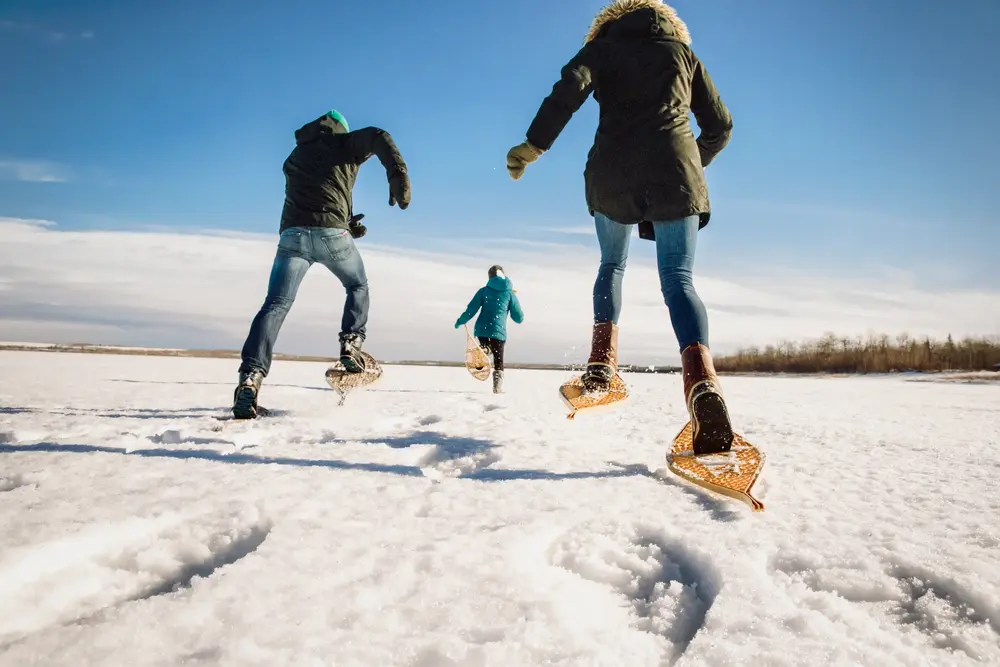
Managing Sun Exposure During Cold Seasons
Sun exposure during the fall and winter seasons is often underestimated, yet it continues to pose significant risks that demand attention. While cooler temperatures might invite more outdoor activity, the safety in travel requires balancing the warmth of seasonal attire with effective protection against harmful ultraviolet rays. I have experienced firsthand how neglecting sun safety in colder months can lead to unexpected skin damage or discomfort. Recognizing the safe limits of sun exposure allows me to enjoy outdoor activities without compromising health or comfort. Addressing these risks holistically improves not only personal well-being but also overall preparedness for the seasonal challenges that come with outdoor excursions.
Why Sun Exposure Is Still a Risk in Fall and Winter
Ultraviolet (UV) rays remain harmful throughout the year, regardless of the temperature. People often overlook the safety risks associated with sun exposure in fall and winter, assuming the cold air neutralizes the threat. However, UV rays can penetrate clouds and even reflect off snow or wet surfaces, amplifying exposure. In my experience, many travelers and outdoor enthusiasts underestimate how easily skin and eyes can be damaged during these months. This oversight increases the chances of sunburn and long-term skin issues. Understanding that the sun’s intensity still poses a danger is crucial in planning for safe travel through all seasons.
How Does Sun Exposure Affect Skin in Cold Weather?
The impact of sun exposure on the skin during colder weather is complex yet significant. The combination of UV radiation and cold air often leads to dryness, irritation, and accelerated skin aging. I have noticed that the skin’s natural barrier weakens during fall and winter, making it more vulnerable to sun damage. Even mild exposure without protection can cause redness or exacerbate conditions like eczema. Protecting the skin with moisturizers and sunscreen is a professional necessity, much like the approach taken in dermatology clinics. Prioritizing these practices ensures safe outdoor activity without sacrificing skin health, an essential aspect of safety in travel practices.
What Are the Best Practices for Sun Safety in Fall and Winter?
Effective protection strategies for sun safety in colder seasons involve several key measures. Using broad-spectrum sunscreen with an SPF of 30 or higher remains a priority, as does wearing sunglasses that block UV rays to protect the eyes. I found layering with UV-protective clothing a practical solution to maintain warmth without sacrificing skin safety. Accessories such as wide-brim hats and gloves further reduce direct exposure. Real-world examples include outdoor workers and athletes who adopt these measures consistently to minimize exposure risks. Such thoughtful preparation demonstrates how integrating sun safety protocols creates a safe environment even in less familiar weather conditions, aligning well with the principles seen in technical comparisons of safety strategies.
How to Balance Warmth and Sun Protection While Outdoors
Balancing warmth and sun protection while outdoors requires smart choices, especially when temperatures drop. I rely on layering breathable, UV-blocking fabrics beneath insulated outerwear to achieve this balance. This method retains body heat while shielding vulnerable skin areas. At the same time, selecting gloves, scarves, and hats with UV protection ensures no compromise on safety. Portable sun protection devices such as compact sunscreens and UV-index apps supplement these choices, enhancing preparedness during travel. Combining these elements has proven effective in maintaining health and comfort. This approach echoes trends observed in tactical safety comparisons, where multi-layered defense proves essential for safety in travel during challenging seasons.
Portable Security Devices for Travelers
Ensuring safety in travel requires reliable devices that are both portable and easy to use. Carrying security devices during trips offers peace of mind and enhances personal protection. These tools range from small gadgets to wearable technology, designed to fit comfortably into any travel routine. Their compact size allows travelers to keep them within reach, ensuring immediate access if needed. I prioritize devices that combine efficiency and convenience, making safety measures feel natural rather than burdensome. Such devices serve as an important layer of protection, especially when traveling alone or in unfamiliar locations. Using portable security tools transforms the travel experience, allowing me to focus more on exploration while maintaining constant vigilance for personal safety.
What Types of Portable Security Devices Are Available?
Several portable security devices can improve safety when on the move. Personal alarms are compact and loud, attracting attention or deterring attackers with minimal effort. GPS trackers provide real-time location sharing, which friends or family can monitor remotely. Wireless safety tools, such as Bluetooth panic buttons, connect to smartphones and send instant alerts combined with location data. Some devices integrate multiple functions, including emergency calling and lighting, to assist in low-visibility situations. These devices vary in design, but all prioritize portability and ease of use, making them ideal for travelers who cannot carry bulky equipment. For reliable safety in travel, I recommend selecting gadgets that suit your specific travel needs and ensure quick activation in emergencies.
How Can Portable Security Devices Enhance Safety During Fall and Winter Travel?
Fall and winter travel introduces unique challenges related to weather and environment that affect personal safety. Portable security devices are especially valuable during colder months when darkness falls earlier and outdoor activities increase risk. In low temperatures, mobility might be limited, so easily accessible security tools help maintain awareness and readiness. Devices equipped with bright LEDs or signaling functions improve visibility in dim conditions, while GPS trackers ensure continuous location monitoring despite barriers like snow or heavy clothing. These safety measures help reduce anxiety caused by harsh weather, allowing travelers to respond swiftly to emergencies. Incorporating such technology in outdoor fall and winter gear supports strategic protection during seasonal challenges.
Examples of Portable Security Devices I Use While Traveling
During my fall and winter trips, I rely on several portable security devices that have proven effective in varied conditions. A personal alarm with a strong siren deters threats in crowded markets or isolated hiking trails. I also use a compact GPS tracker backed by a reputable brand, allowing my family to track my location through a secure app. A wireless panic button connected to my phone has ensured quick communication during unexpected situations. For example, during a snowy mountain hike, the tracker’s accuracy proved crucial when cellular signals were weak. These devices’ reliability and ease of use make them essential components of my travel kit, providing constant reassurance in unfamiliar settings and harsh weather. Reliable safety gear builds confidence for every trip.
How Do I Protect Myself from Sun Exposure During Winter Travel?
Protecting skin from sun exposure remains important even during winter travel. I maintain a routine that includes applying broad-spectrum sunscreen with a minimum SPF of 30, focusing on exposed areas like the face and neck. Additionally, I wear UV-protective clothing such as hats and long-sleeve shirts to reduce direct sun impact during outdoor activities. Using moisturizers that include antioxidants helps repair and shield skin against environmental stressors. Since snow reflects UV rays and increases exposure risk, these habits prevent sun damage and maintain healthy skin throughout the season. Maintaining skin health supports overall wellbeing and travel readiness, complementing other AI healthcare trends families should know in 2024 for safe travel.
Importance of UV-Protective Clothing in Cold Seasons
Specialized clothing designed to block UV rays and retain heat plays a crucial role in maintaining both safety and comfort during fall and winter. These garments often feature fabrics with built-in ultraviolet protection factor (UPF), which shields skin from harmful rays even on overcast or cold days. Additionally, insulating materials like fleece or wool fibers help preserve body warmth against chilly winds. For example, brands like Columbia and Patagonia offer jackets that combine UV protection with thermal insulation, making them ideal for safe outdoor activities in colder months. Wearing such clothing reduces the need for frequent sunscreen reapplication, especially on exposed areas like the neck and face. Moreover, layering with UV-blocking base layers enhances safety in travel to snowy regions, where UV reflection intensifies. Through a balance of warmth and UV defense, specialized apparel ensures individuals remain safe from sun damage while enjoying outdoor environments during fall and winter seasons.
Can Sun Damage Occur Indoor or in Winter Conditions?
Sun damage can occur indoors when spending time near windows that allow ultraviolet (UV) rays to penetrate. Windows typically block UVB rays responsible for sunburns but let UVA rays pass through, which contribute to skin aging and DNA damage. Even during winter months, UVA rays remain present and can cause cumulative harm over time. People working near windows in offices or homes may unknowingly experience long-term UV exposure, increasing their skin cancer risk. For travelers or those focused on safety in travel, awareness of indoor UV exposure is essential. Applying broad-spectrum sunscreen indoors or using window films with UV-blocking properties provides practical protection. Understanding that UV risks extend beyond direct sunlight highlights the importance of consistent sun safety measures year-round, including colder months. This concept is crucial for anyone prioritizing skin health and maintaining safe habits across all environments.
What Are Common Misconceptions About Sun Exposure in Fall and Winter?
Many myths surround sun exposure in fall and winter, leading people to neglect important safety practices during colder seasons. One common misconception is that the sun’s rays are too weak to cause damage when temperatures drop. However, UV radiation remains potent even in cold weather, especially with snow reflecting up to 80% of UV rays. Another false belief is that cloud cover completely blocks UV radiation, yet up to 80% of UV rays can penetrate clouds, maintaining exposure risks. People often assume sunscreen is unnecessary when outside briefly in fall or winter, ignoring cumulative damage. These misunderstandings can compromise safety, increasing risks of premature aging and skin cancer. Eliminating such myths helps emphasize reliable sun protection strategies for safe outdoor activities and travel throughout the year, augmenting personal health and safety in travel plans.
How to Choose the Right Sunscreen for Winter Travel
Selecting the right sunscreen for winter travel requires evaluating coverage and formulation suited for cold environments. Ideally, a broad-spectrum sunscreen protecting against both UVA and UVB rays is necessary for comprehensive safety. Since skin may become drier during colder months, moisturizing formulas with ingredients like hyaluronic acid or glycerin can prevent irritation. Water-resistant sunscreens are advisable for activities involving snow or water, maintaining protection despite sweating or moisture. It is also important to choose sunscreens that absorb quickly without leaving a greasy residue, facilitating comfortable layering with clothing. For active travelers, mineral-based sunscreens with zinc oxide or titanium dioxide offer durable protection and are less likely to cause sensitivity. Incorporating sunscreen into a daily routine complements other protective measures, promoting consistent safe habits in travel irrespective of season or location.
Tips for Maintaining Skin Health During Fall and Winter
Maintaining skin health during fall and winter requires adapting hydration and skincare routines to counteract dryness and sun damage. Cold air naturally diminishes skin moisture, while indoor heating further exacerbates dryness. Drinking ample water throughout the day supports internal hydration, enhancing skin resilience. Using gentle cleansers and incorporating rich moisturizers with ceramides or oils improved skin barrier function. Applying broad-spectrum sunscreen daily prevents cumulative UV damage, even when the sun feels less intense. Combining these skincare steps with wearing appropriate protective clothing creates a comprehensive approach to skin safety. Regular exfoliation can also remove dry, dead skin cells, boosting the effectiveness of moisturizers. Consistent attention to hydration and protection reinforces long-term skin health and comforts individuals during colder months.
How Do Weather Changes Impact Sun Exposure Risks?
Weather changes like cloud cover, snow reflection, and temperature shifts significantly impact UV risk levels in fall and winter. Clouds may reduce visible sunlight but do not fully block UV rays; up to 80% of UV radiation still reaches the ground, maintaining exposure risks. Snow has a reflective quality, bouncing back UV rays and effectively doubling the amount of UV radiation that can reach exposed skin. This means outdoor enthusiasts and travelers in snowy areas face increased sun damage risks despite cold temperatures. Lower temperatures might reduce the feeling of heat, causing people to underestimate their need for sun protection, which can lead to unsafe exposure. Recognizing how atmospheric conditions influence UV safety allows individuals to better prepare and maintain safe practices, especially during seasonal outdoor activities. These considerations align with safety in travel precautions recommended in various conflict scenarios where environmental factors affect personal protection.
What Should Travelers Know About Sun Safety on the Go?
Travelers need to prioritize safety in travel by understanding that sun exposure remains a risk even when moving through different locations during cooler months. UV rays can penetrate clouds and reflect off surfaces like snow or water, increasing the chance of skin damage. Wearing layered clothing that balances warmth with UV protection is essential. Additionally, preparedness includes carrying portable security devices such as personal alarms or GPS trackers to guard against theft or harassment while in transit. I have found that maintaining awareness of surroundings and using these combined strategies ensures a safer and healthier travel experience throughout fall and winter. Practical measures like applying sunscreen regularly and keeping valuables close help mitigate both sun and security risks effectively.
How to Integrate Sun Safety and Security Devices in Your Travel Routine
Integrating sun safety and personal security devices into a travel routine can deliver comprehensive protection and peace of mind. For UV protection, I recommend using broad-spectrum sunscreen suitable for colder weather, combined with hats and UV-protective sunglasses. Alongside these, portable security gadgets such as compact door alarms or wearable safety buttons enhance your personal security during stops or overnight stays. Technology like GPS-enabled trackers offers an added layer of protection in unfamiliar places. By seamlessly combining these measures, travelers maintain physical health and security without extra hassle. I have experienced firsthand that this blend allows for a focus on the journey itself, knowing both environment and personal safety are managed proactively. Consider adopting these tools early in your planning for reliable safety preparation.
Discussion: Balancing Health and Security During Fall-Winter Travel
Traveling in fall and winter introduces challenges in maintaining both health and security due to cooler temperatures and reduced daylight. Cold weather often leads people to underestimate UV risks, even though snow can reflect up to 80% of UV rays, intensifying exposure. Meanwhile, personal safety concerns grow with shorter days and quieter environments. Balancing adequate warmth while ensuring sun protection means choosing layered clothing that blocks UV rays but also retains heat. In terms of security, portable devices become more critical for travel in dim or isolated conditions. From my experience, embracing a dual approach of sun safety and security tools provides a confident way to navigate these demanding seasons. For deeper insights into seasonal risks, consider resources discussing fall and winter war scenarios, which illustrate environmental and safety parallels travelers face.
Conclusion: Key Points on Sun Exposure and Travel Security
Key points for safe travel during fall and winter highlight the persistent risk from UV exposure and the necessity of portable security devices. Despite cooler weather, skin remains vulnerable to damage from reflected UV rays, especially near snow or icy surfaces. Selecting appropriate broad-spectrum sunscreen and layering clothes strategically ensures warmth does not come at the cost of protection. Equally important are compact security tools like personal alarms and GPS trackers that enhance traveler safety without inconvenience. By adopting these safety habits, travelers build a balanced strategy prioritizing well-being and personal security. My experience confirms that combining sun protection with secure devices leads to fewer health issues and reduces anxiety while traveling. For broader context on seasonal safety concerns, some fall and winter emergency preparations offer valuable parallels.
Key Takeaways
- Sun exposure remains a significant risk in fall and winter despite cooler weather.
- UV rays can cause skin damage even on cloudy or cold days.
- Balancing warmth and sun protection requires strategic clothing and sunscreen use.
- Portable security devices enhance traveler safety in all seasons.
- Common misconceptions about winter sun exposure often lead to inadequate protection.
- Personal experience highlights the effectiveness of combining UV protection and security tools.
- Maintaining skin hydration is crucial during fall and winter.
- Travelers should integrate sun safety and security devices seamlessly into routines.
- Snow reflection can intensify UV exposure risks.
- Broad-spectrum sunscreen suitable for cold weather is essential.
Conclusion
Traveling during fall and winter presents unique challenges related to sun exposure and personal safety. By understanding the risks of UV rays in colder months and utilizing portable security devices, I have found a balanced approach that protects both my health and security. Prioritizing sun safety measures alongside reliable travel gadgets ensures peace of mind and well-being during all trips.