Winter Sun Benefits for Health
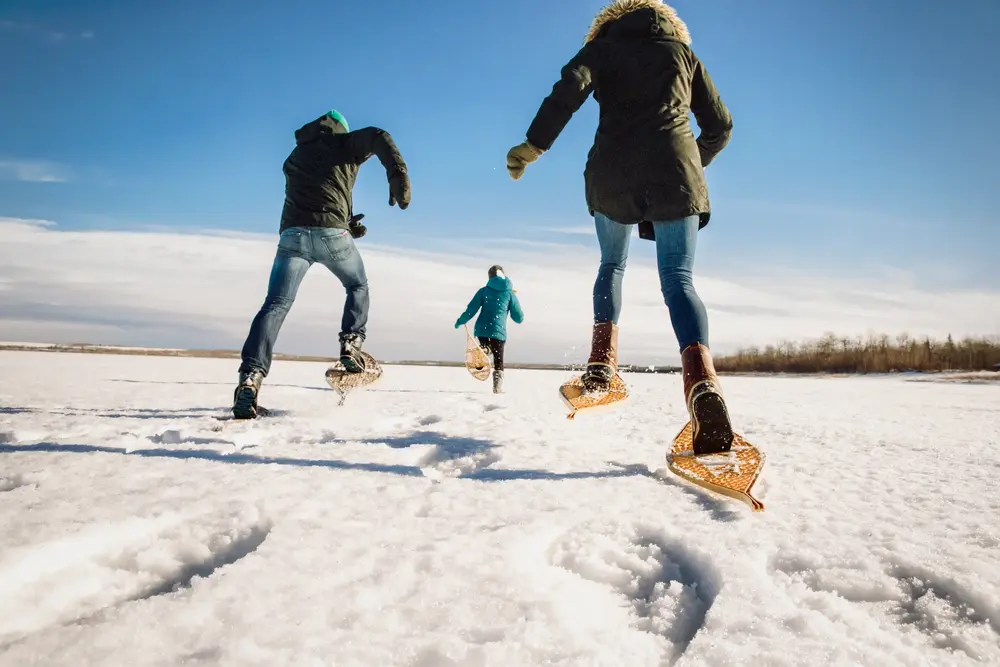
Exposure to winter sun plays a vital role in maintaining health and wellbeing during cold seasons. Despite the chill, sunlight supports essential biological functions, especially when outdoor activity tends to decline. In my experience, receiving natural light during winter improves both physical vitality and mental clarity. Light exposure helps regulate circadian rhythms, reduces lethargy, and provides a dose of vitamin D, which is often deficient in colder months. Maintaining safety during travel and outdoor activities is also important, since cold weather can heighten risks like slipping or hypothermia. Therefore, I prioritize recreational time outside under sunlight while taking safety precautions. Incorporating a deliberate routine of winter sun exposure helps me sustain mood, energy, and immune health even as daylight hours shorten. Many health professionals emphasize this balance as a key to preventing winter-related fatigue and illness. In fact, safe sun exposure can be as critical to wellbeing in winter as it is in warmer seasons. I have learned that sunlight during cold weather plays a surprisingly important role in maintaining both physical and mental health. Winter sun exposure can boost vitamin D levels, improve mood, and support the immune system even when temperatures drop. In this article, I will share insights on how winter sunshine benefits us and how I incorporate sun exposure into my cold-weather routine.
Why Is Winter Sunshine Important?
Winter sunshine remains essential because it triggers critical bodily processes despite shorter daylight and cold temperatures. One of the most significant benefits lies in the stimulation of vitamin D production, which supports bone strength and immune function. During the colder months, my energy levels often dip if I avoid sunny outdoor time, confirming how important natural light is for maintaining vitality. Many people underestimate that winter sun still emits ultraviolet rays necessary for health, even if the air feels crisp. Ensuring safety in travel and everyday movement is also vital since icy conditions increase accident risks. Recognizing how winter sunlight impacts biological rhythms and physical health has prompted me to seek out safe, sunlit environments regularly. This approach balances necessary sun exposure while remaining mindful of potential hazards present in winter landscapes, emphasizing the value of informed and cautious outdoor activity. Even though winter days are shorter and chillier, the sun’s rays remain essential. They stimulate vitamin D production, which is crucial for bone health and immunity. I found that without enough winter sun, I feel more fatigued and prone to illness.
How Does Winter Sun Affect Vitamin D Levels?
Ultraviolet B (UVB) rays remain active during winter and continue to facilitate vitamin D synthesis, though their intensity is reduced. Spending time outdoors in winter sunlight allows my skin to produce vitamin D naturally, which prevents deficiency often linked to bone disorders and weakened immunity. My routine of short midday walks offers a practical way to maintain these levels safely. Scientific studies confirm that even limited exposure can sustain healthy vitamin D concentrations, provided skin is unblocked and sunlight is direct. However, UVB rays can reflect off snow, increasing exposure, so applying sunscreen and monitoring time outside protects from skin damage. A well-planned balance between adequate sunlight and safety measures enhances benefits while reducing harm. Technologies supporting safety in travel during winter also help travelers safely maximize sun exposure without compromising skin health. Vitamin D synthesis depends on ultraviolet B (UVB) rays, which can be weaker in winter but are still present. When I spend time outside during winter sunshine, my body naturally produces vitamin D, helping keep my bones strong and my immune defenses up.
What Are the Mental Health Benefits of Winter Sun?
Sunlight significantly influences mental health by stimulating serotonin production, which can ease depression and enhance mood. Winter months often bring seasonal affective disorder (SAD), but I find that regular exposure to bright winter daylight counteracts this effect. The boosted serotonin aids in lifting energy levels and stabilizing emotional wellbeing. My personal experience aligns with health recommendations advocating for safe, consistent sunlight during colder months to combat mood fluctuations. Additionally, mental clarity improves on days filled with natural light rather than artificial illumination. Even brief periods of sun exposure lead to noticeable improvements in my outlook. Recognizing the critical intersection of mental health and sunlight during winter has reshaped how I manage both work and leisure time. Integrating these habits reflects findings from relevant fall and winter conflict analyses that illustrate environmental factors’ impacts on wellbeing. Winter sunlight triggers serotonin production, which lifts mood and combats seasonal blues. Personally, I notice a significant improvement in my energy and outlook on days I expose myself to bright winter daylight.
How Can I Safely Increase Winter Sun Exposure?
Increasing winter sun exposure safely requires practical choices that minimize risk while maximizing benefit. I stick to midday hours when UVB rays peak, typically between 10 a.m. and 2 p.m., to get efficient vitamin D production. Short walks outdoors work well, avoiding prolonged skin contact with sun reflections from snow, which can intensify UV damage. Wearing sunscreen and protective eyewear in snowy conditions is essential, even in winter, to maintain skin and eye safety. Portable safety devices like GPS trackers and emergency alert gadgets enhance personal security during winter travel, supporting vigilance while outdoors. My interest in safety in travel grew after learning about fall and winter war scenarios that emphasized preparedness in challenging environments. Implementing such safety measures ensures sun exposure remains healthful without introducing undue danger, blending wellness with practical protection. I learned to get outside during midday hours when sunlight is strongest, even for short walks. Wearing sunscreen on exposed skin remains important to avoid damage, especially on reflective snow surfaces.
Which Devices Help Maintain Safety While Traveling?
When traveling to winter destinations, I find portable security devices invaluable for maintaining safety and protecting my belongings. Tools like GPS trackers provide real-time location updates, so I can monitor my valuables easily even in busy or remote locations. Personal alarms, compact and lightweight, offer immediate alerts if I face any threat or emergency, effectively enhancing my personal safety. I also use small door and window sensors in hotel rooms or rental cabins to receive instant notifications about unexpected entry attempts. These portable systems require no complicated setup, yet add a dependable security layer wherever I go. By combining these devices, I experience peace of mind, knowing my possessions and personal safety remain guarded in unfamiliar environments. Portable security technology effectively balances convenience with strong protective features that suit my travel lifestyle. When I travel to enjoy winter destinations, I rely on portable security devices such as GPS trackers, personal alarms, and compact door/window sensors. These gadgets provide peace of mind and protect personal belongings on the go.
Why Are Portable Security Systems Important for Travelers?
Portable security systems prove vital for travelers because they offer flexible safety solutions tailored to changing locations. Whether staying in a hotel, an Airbnb rental, or a remote cabin, I rely on devices I can quickly install and move without damage. This adaptability means I can maintain a consistent level of protection without relying on bulky, permanent hardware. These systems safeguard valuables such as luggage, wallets, or electronics while supporting my personal safety needs. By using movable devices, I avoid compromising on safety just because the setting changes. They also reduce stress by providing reliable alerts and location tracking, key components of safe travel practices. For these reasons, portable security enhances my travel experience, assuring me that protection is always within reach regardless of venue. Portable security systems allow me to adapt to different environments securely. Whether in hotels, rental homes, or remote cabins, these devices help me ensure safety without bulky installations.
How Do GPS Trackers Enhance Personal Security?
GPS trackers serve as a cornerstone of my personal security when traveling. These devices function by transmitting the exact location of my belongings or personal safety tools via satellite or cellular networks. The real-time tracking feature allows me to monitor valuable items like suitcases or equipment through a smartphone app. This instant access guarantees rapid responses if possessions go missing or emergencies arise. For example, if luggage is misplaced during a flight transfer, I can pinpoint its location promptly. Moreover, GPS trackers often include alert systems that notify me if items move unexpectedly, helping prevent theft. Using this technology in travel situations not only protects valuables but also reassures me with continual, accurate location updates. This confidence greatly enhances my overall safety in unfamiliar environments. Additionally, I have explored AI healthcare trends families should know in 2024, which include innovations influencing tracking technology to improve security further. GPS trackers enable real-time location monitoring of my belongings or even personal safety devices. I feel reassured knowing that I can quickly locate my items or alert others if needed.
What Are the Benefits of Personal Alarms During Travel?
Personal alarms provide a quick and effective way to signal emergencies during travel. Compact and easy to carry, I keep mine in a pocket or backpack where it remains accessible at all times. When activated, these alarms emit a loud sound designed to attract attention and deter potential threats. This immediate noise can alert nearby people or security personnel, increasing my chances of receiving help when needed. Their small size means I never feel burdened carrying them, and installation or setup is unnecessary. Personal alarms give a vital layer of protection, especially when traveling alone or in less familiar areas. Their convenience, combined with their audible alert, makes them a practical tool for enhancing safety in travel, complementing technology like GPS trackers or door sensors. For more about strategic safety comparisons, I have referenced a detailed assessment on war risks in fall and winter 2026 to understand overall protective measures more deeply. Personal alarms allow me to instantly draw attention in case of emergency or threat. Their compact size makes them easy to carry in pockets or bags, enhancing my safety without inconvenience.
How Do Compact Door/Window Sensors Work for Travel Security?
Compact door and window sensors work by detecting when an entry point is unexpectedly opened and instantly sending alerts to my phone or alarm system. These easy-to-install devices fit in travel accommodations such as hotel rooms or rental cabins without leaving marks or requiring professional help. I appreciate how they enhance security by adding an extra barrier against unauthorized access. Installing these sensors allows me to sleep with confidence, knowing I will be immediately notified if someone tries to enter my space. They are especially useful in remote or less secure locations. Because of their portability, I can move them from one accommodation to another, maintaining consistent protection. This precaution aligns with smart travel safety practices that prioritize both security and convenience. I often compare such practical tools with detailed fall-winter 2026 conflict scenarios for context on situational risk management. These sensors alert me if doors or windows are opened unexpectedly. I use them in hotel rooms or rental properties to add an extra layer of security and sleep better at night.
Can Winter Sun Exposure Affect Immune Function?
Exposure to winter sunlight significantly boosts vitamin D production, which plays a crucial role in supporting the immune system. When I maintain consistent outdoor sun exposure during the colder months, I notice fewer instances of colds and faster recovery times. This is because vitamin D enhances the body’s defense mechanisms against infections. Research confirms that even limited sunlight during winter can raise vitamin D levels enough to improve immune response. Personal experience aligns with these findings, reinforcing the importance of safe, regular sunlight exposure despite colder temperatures. For individuals concerned about immune health, prioritizing sunlight in winter can be a simple yet effective strategy to promote overall wellness and resilience during the season. Exposure to winter sunlight increases vitamin D, which supports immune response. I have noticed fewer colds and quicker recovery when I maintain regular outdoor sun exposure during winter.
Are There Risks Associated with Winter Sun Exposure?
Even in winter, UV rays can cause skin damage and contribute to eye strain despite cooler temperatures. I always protect my exposed skin with sunscreen rated for broad-spectrum UV protection to reduce the risk of burns and premature aging. Additionally, wearing UV-protective sunglasses guards against glare and long-term damage to the eyes. Taking these precautions is essential for safety in travel and outdoor winter activities. Many people underestimate UV exposure during cold months, but the risks remain notable. Using these simple measures helps me enjoy winter sunlight safely without compromising skin or eye health. Prioritizing protection ensures a balance between benefiting from sunlight and minimizing potential harm. Despite lower temperatures, UV rays can still cause skin damage and eye strain. I always wear sunscreen on exposed skin and UV-protective sunglasses during bright winter days.
How Do Sunlight Reflection Effects Change in Winter?
Snow and ice reflect sunlight and intensify UV exposure more than typical ground surfaces, which increases risk during winter outings. This reflection can double the strength of UV rays hitting the skin and eyes, making protection even more important. I take extra care by applying sunscreen thoroughly and wearing protective eyewear during outdoor winter activities such as skiing or hiking. This amplified exposure means safety in travel during winter requires awareness of environmental factors. Understanding how snow and ice reflect sunlight helps maintain safe sun habits in cold weather. Recognizing these risks reinforces the need for consistent precautions in snowy conditions to prevent UV-related harm. Snow and ice reflect sunlight, increasing UV exposure intensity. This reflection can amplify the effects of the sun on skin and eyes, so I take extra care during outdoor winter activities.
What Time of Day Is Best for Winter Sun Exposure?
The best time for winter sun exposure aligns with peak UVB availability from midday to early afternoon, which maximizes vitamin D synthesis. I intentionally schedule my outdoor activities around these hours whenever possible to optimize health benefits. This period provides the strongest sunlight intensity despite the season, helping maintain vitamin D levels that support immune function and mood. Avoiding early morning or late afternoon sun reduces the chance of prolonged exposure without effective vitamin D absorption. Knowing this timing helps me remain safe in travel and leisure, preventing overexposure while gaining key benefits. If weather conditions limit outdoor time, using well-lit indoor spaces can also supplement exposure safely. Midday to early afternoon offers the strongest UVB rays for vitamin D synthesis. I schedule outdoor time around these hours whenever possible to maximize benefits.
How Do I Balance Winter Sun Exposure with Cold Weather Challenges?
Balancing winter sun exposure with cold weather challenges requires practical strategies to stay warm and comfortable. I rely on layering clothing which allows flexibility to adjust for temperature changes during outdoor time. Taking short, purposeful breaks outside helps me soak in sunlight without becoming chilled. When conditions become too harsh, I move to sunlit indoor locations that still provide exposure without cold stress. Using technology such as UV sensors on my devices enhances my safety in travel by monitoring optimal sunlight levels. These tactics enable me to maintain regular sunlight exposure in winter while avoiding discomfort and cold-related risks, ensuring a safe and beneficial experience year-round. Layering clothing and taking short breaks outside help me enjoy sunlight without discomfort. I also use sunlit indoor spaces when outdoor conditions become too harsh.
What Are the Psychological Effects of Winter Sunlight?
Winter sunlight has a profound positive impact on mood and cognitive function by promoting serotonin production, a key neurotransmitter for emotional well-being. After brief outdoor exposure, I experience noticeable improvements in focus, energy, and reduced stress levels. This natural boost counters the seasonal mood decline often linked to reduced daylight in colder months. My personal observations reflect broader research showing sunlight’s role in enhancing mental clarity and lowering depression symptoms. Incorporating safe sun practices supports not only physical health but also psychological resilience during winter. Taking advantage of natural light safely is an effective, accessible way to maintain mental sharpness and emotional balance throughout the season. For additional insights into strategic safety topics, relevant comparisons of conflict scenarios can be found in conflict analysis. Winter sunlight promotes serotonin production, boosting mood and mental clarity. I experience improved focus and lower stress levels after even brief sun exposure.
How Do I Incorporate Winter Sunlight into My Daily Routine?
Incorporating winter sunlight into a busy routine requires planning and commitment. I make it a point to take morning walks, which not only expose me to natural light but also boost my mood early in the day. During work hours, I schedule brief outdoor breaks around lunchtime to maximize exposure. Using reminders on my phone keeps me consistent, ensuring I do not skip sunlight even on cold days. Wearing layered clothing helps me stay comfortable outdoors while maintaining safe sun exposure. These small steps have improved my overall sense of well-being and kept my vitamin D levels steady despite the season. Integrating sunlight breaks complements my focus on safety in travel, as sunlight aids alertness and reduces winter fatigue during outdoor activities. I prioritize morning walks and outdoor breaks during lunch. Setting reminders helps me stay consistent in getting enough sunlight each day.
What Are Some Common Misconceptions About Winter Sun?
A widespread misconception suggests that sunlight is unnecessary during winter, primarily because cold weather implies less need for sun exposure. However, cold temperatures do not block ultraviolet (UV) rays, which remain essential for vitamin D synthesis. I have learned that the quality of sunlight matters more than temperature. Exposure to winter sun supports immune function and mental health by increasing serotonin production, even when the air feels chilly. Ignoring this fact can lead to deficiencies with serious health consequences. Understanding the role of UV rays in cold seasons corrects the myth that winter disables the sun’s benefits. Such misconceptions may reduce safety practices outdoors, especially important when traveling in colder months. Many believe cold weather negates the need for sun exposure. I have disproven this through experience; sunlight remains critical regardless of temperature.
Can Technology Enhance Winter Sun Exposure Benefits?
Technology offers valuable solutions to maintain healthy sun exposure during limited winter daylight. I use light therapy lamps on overcast or short days to replicate the effects of natural sunlight, which helps lift my mood and regulate circadian rhythms. Wearable UV monitors are also beneficial, tracking my actual sun exposure to avoid deficiency or overexposure. These devices empower me to adjust sun time effectively and ensure safe and balanced sunlight intake. Many people overlook the benefits of combining technology with outdoor activities, yet such support enhances safety in travel by preparing individuals for seasonal challenges and maintaining energy levels during long winters. I use light therapy lamps on cloudy days and wearable UV monitors to track exposure, helping me maintain healthy sunlight habits even when natural sun is limited.
How Do I Protect Myself from Sun Overexposure in Winter?
Protecting the skin from sun overexposure remains crucial during winter, as reflected sunlight off snow can intensify UV rays. I apply broad-spectrum sunscreen daily even in cold weather to prevent sunburn and other UV damage. Wearing a hat and sunglasses adds physical barriers against harmful rays. Limiting time spent outdoors during peak sun hours, typically midday, helps balance beneficial exposure with protection. These measures maintain the benefits of winter sunlight while reducing risks. Safe sun habits complement broader safety strategies, especially during winter travel, when environmental conditions can pose unexpected hazards. Applying broad-spectrum sunscreen, wearing hats, and limiting peak sun exposure times help me avoid overexposure while still gaining benefits.
Key Takeaways
- Winter sun is vital for vitamin D production and immune support.
- Sunlight boosts mental health by increasing serotonin levels.
- Portable security devices enhance safety during winter travel.
- Reflection from snow intensifies UV exposure risks.
- Midday sun provides optimal UVB rays for health benefits.
- Proper skin protection remains necessary even in cold weather.
- Light therapy and wearables can supplement limited natural sunlight.
- Balancing warmth and sun exposure improves comfort and consistency.
- Misconceptions about winter sun can reduce necessary exposure.
- Personal alarms and GPS trackers improve travel security.
Conclusion
Winter sun exposure offers essential benefits that extend beyond warmth, including improved vitamin D levels, mood enhancement, and immune support. Incorporating safe sun habits and leveraging portable security devices during travel ensures wellbeing and protection throughout the colder months. Prioritizing winter sunlight can significantly enhance health and safety, even amid chilly conditions.