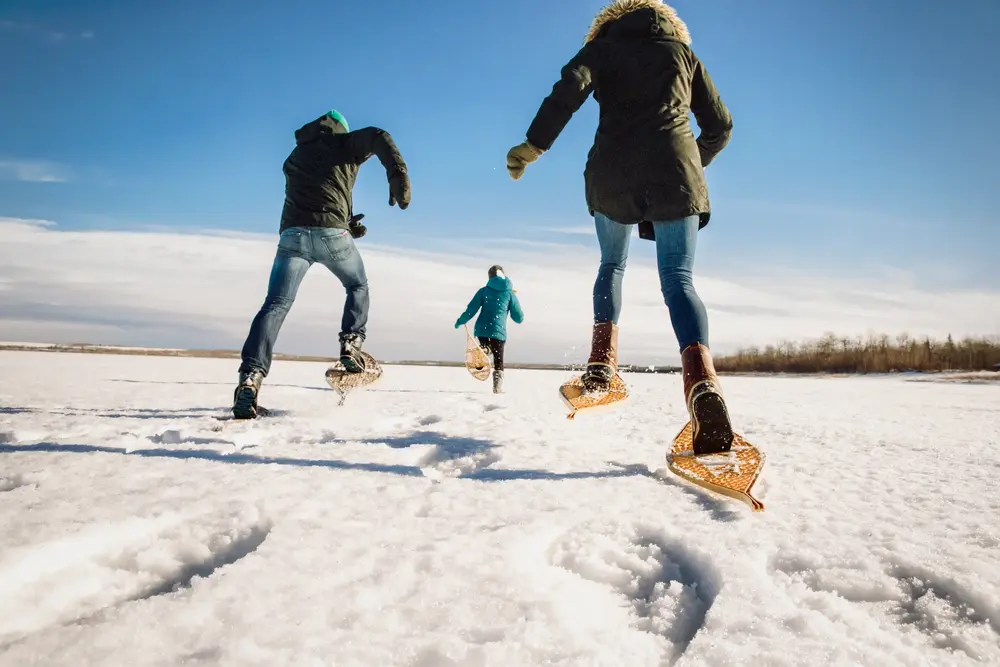
Managing Cold Weather Discomfort
Experiencing discomfort in cold weather frequently affects many of us during the winter months. I have noticed that despite dressing warmly, exposure to the sun or its absence significantly influences how cold or comfortable I feel. Awareness of temperature changes throughout the day and how sunlight interacts with our skin plays a crucial role in managing safety and overall well-being during cold conditions. Personally, keeping track of both temperature and sun exposure has helped me prevent chills and reduce the risk of cold-related illnesses. Understanding these common challenges helps me prepare better for outdoor activities, ensuring I stay both comfortable and safe in travel or daily errands amidst cold weather.
Why Does Cold Weather Cause Discomfort?
Cold weather causes discomfort primarily through the body’s response to decreased temperatures and environmental factors like wind and humidity. The human body strives to maintain a stable core temperature, but exposure to cold air causes blood vessels near the skin to constrict, reducing warmth and creating a sensation of chill. Additionally, wind increases heat loss by carrying away the thin layer of warm air close to the skin. Dry air accelerates this heat loss further. These physiological reactions explain why individuals feel cold even when wearing protective clothing. Awareness of these effects helps me better understand how external conditions impact my feelings during cold weather, reinforcing the importance of dressing properly and seeking sun exposure to improve comfort and safety in travel.
How Does Sun Exposure Impact Cold Weather Comfort?
Sun exposure significantly improves comfort in cold weather by providing both physical warmth and psychological benefits. Sunlight naturally raises skin temperature and helps the body generate vitamin D, which supports overall health. When I spend time in direct sunlight, I feel a noticeable improvement in warmth and mood. This effect reduces the sensation of cold, making outdoor activities more pleasant. Sunlight also signals the brain to regulate body temperature more effectively. However, cloudy or shaded areas lack this benefit, causing rapid heat loss and increased cold discomfort. In addition to enhancing comfort, sunlight exposure during winter days can contribute to safe outdoor experiences by helping maintain body warmth in otherwise chilly surroundings.
What Is Temperature Awareness and Why Is It Important?
Temperature awareness means being mindful of current and forecasted temperatures and their potential effects on the body. This awareness plays a vital role in managing cold weather challenges safely. By understanding ambient temperature, wind chill, and humidity, I can choose appropriate clothing layers and plan activities to avoid excessive cold exposure. For example, on colder mornings, I dress in thermal layers and plan outdoor tasks during midday when temperatures rise. Temperature awareness also guides decisions such as timing travel or selecting sun-exposed routes. It enhances personal safety by preventing overexposure or inadequate protection, which reduces risks like frostbite or hypothermia.
How Can I Use Sun Exposure to Reduce Cold Discomfort?
To use sun exposure effectively for reducing cold discomfort, I seek direct sunlight during breaks or outdoor activities while avoiding shaded or windy spots. Wearing sunglasses and hats helps protect my eyes and head while letting sunlight warm exposed skin. For instance, I prefer sitting near south-facing windows during winter or taking walks in parks with open sunlight. Timing outdoor exercises between late morning and early afternoon maximizes sun benefits when temperatures peak. However, I balance sun seeking with safety in travel by dressing in layered clothing to retain warmth when sunlight fades. These practices improve my comfort and mental well-being during cold days. Companies focusing on cold-weather gear emphasize this balance to enhance consumer safety and comfort in real-world conditions.
What Are Safety Considerations When Seeking Sun in Cold Weather?
Ensuring safety during travels in cold but sunny conditions requires special attention to both UV protection and hypothermia prevention. Even when sunlight feels warm, UV rays remain strong in cold climates, increasing the risk of sunburn and long-term skin damage. Wearing broad-spectrum sunscreen with a high SPF and UV-protective sunglasses is essential to reduce UV exposure. At the same time, low temperatures combined with wind can quickly lower body temperature, leading to hypothermia, a dangerous condition even if the sun is shining. Layered clothing that insulates well and shields against wind helps maintain warmth. I have found that using moisture-wicking base layers along with windproof outerwear significantly reduces cold exposure. Additionally, drinking warm fluids and staying dry are critical strategies. This balance of protecting against UV rays while avoiding hypothermia emphasizes that visible warmth does not always imply environmental safety. Travelers should prepare accordingly to stay safe no matter the weather conditions in places with cold but sunny climates.
How Do I Monitor Outdoor Temperatures Effectively?
Monitoring outdoor temperatures effectively is vital for maintaining safety in travel, especially in colder regions. I rely on a combination of digital tools such as handheld weather meters and smartphone weather apps. Devices like the Kestrel 5500 offer precise temperature, wind chill, and humidity readings, which help me plan clothing choices and activity levels. Weather apps provide real-time updates and forecasts, allowing me to anticipate temperature shifts throughout the day. Combining physical devices with apps gives a comprehensive view that enhances preparedness. For example, before a trip to a mountainous area, I cross-check handheld measurements with local weather app data to ensure accuracy. Selecting tools with user-friendly interfaces and reliable accuracy makes a notable difference in safety in travel, avoiding unexpected exposure to cold or heat. Accessible technology today supports travelers in making informed decisions about outdoor conditions, sustaining comfort and well-being.
What Are Portable Security Devices for Traveling in Cold Weather?
Carrying portable security devices during cold weather travel enhances personal safety and protects belongings effectively. I recommend devices like the Tile Mate Bluetooth tracker and a compact personal alarm for reliable security. The Tile Mate helps locate lost items such as bags or keys, which is especially helpful when bulky winter gear increases the chance of misplacing things. A personal alarm emits a loud sound to deter potential threats and attract help in emergency situations. These devices are lightweight, durable, and designed to operate well even in cold temperatures. Including such security tools in your packing list ensures protection without adding bulk, providing peace of mind on winter journeys. Their practical use has helped me prevent theft and quickly resolve lost item situations, reinforcing the crucial role portable security plays in cold weather travel.
How Do Portable Security Devices Enhance Safety During Travel?
Portable security devices directly improve safety during travel by preventing theft and managing emergencies efficiently. In one trip to a snowy region, I used a GPS-enabled personal alarm and a Bluetooth tracker, which proved invaluable. The alarm deterred a suspicious individual near my lodging, enabling me to seek help safely. Meanwhile, the tracker located a backpack misplaced during a sudden snowstorm, saving valuable items. Such devices offer dual functionality: protection against crime and assistance in unexpected situations. They also foster greater confidence when exploring unfamiliar, cold environments where calls for help could be delayed. Drawing from personal experience, I believe integrating portable security gadgets into travel routines strengthens overall safety, making winter travel less stressful and more secure.
What Types of Security Devices Are Best for Cold Weather Travel?
Two types of security devices stand out for cold weather travel: GPS-enabled personal alarms and Bluetooth item trackers. GPS personal alarms like the ACR ResQLink offer robust features, including emergency signaling with precise location data sent to rescue services. Their waterproof and cold-resistant design suits harsh conditions. Bluetooth trackers, such as the Tile Mate, allow users to find lost gear quickly via smartphone apps. Usability is high with both devices, given their compact size and long battery life, which minimizes the impact of cold on performance. Comparing these, GPS alarms prioritize personal safety during critical emergencies, while Bluetooth trackers focus on safeguarding possessions. For effective safety in travel, combining both types covers essential security needs. These solutions illustrate how technology adapts to cold weather requirements without sacrificing convenience or reliability.
How Do I Choose the Right Security Device for My Travel Needs?
Selecting the right security devices depends heavily on your travel destination’s climate and your personal preferences. For cold destinations, I prioritize devices with robust battery life and cold-resistant materials, such as pepper spray canisters designed for low temperatures. In warmer climates, lightweight security alarms or compact personal safety apps on smartphones offer comfort without overheating concerns. For example, a traveler visiting snowy regions should opt for weatherproof smart locks or thermal handcuffs as part of their safety gear, prioritizing durability and functionality in freezing conditions. In contrast, urban travelers in warm regions may benefit from discreet wearable alarms or GPS trackers integrated into everyday accessories like watches. Personal comfort also shapes choices; some may prefer tech-enabled devices like biometric locks, while others choose straightforward tools like sturdy door wedges. I find that balancing environmental resilience with personal comfort ensures security devices remain effective and practical, aligning safety in travel with the specific challenges posed by the climate and journey type.
What Are the Benefits of Temperature Awareness for Travel Security?
Temperature awareness significantly impacts the performance of security devices during travel. Cold conditions can reduce battery efficiency in electronic devices such as alarms or GPS trackers, leading to unexpected failures precisely when safety matters most. Likewise, extreme heat can cause overheating or malfunctioning of smart devices. Staying aware of temperature fluctuations helps me manage device readiness by carrying appropriate storage cases or spare batteries. For example, in winter travel scenarios, I observed that my handheld panic alarm operated intermittently until I insulated it inside a jacket pocket. Knowing this vulnerability allowed me to maintain device readiness by switching to chemical warmers during breaks. Temperature influences both device reliability and physical usability—for instance, gloves may restrict access to fingerprint scanners. Therefore, adapting security device use to temperature conditions is essential for maintaining effective safety in travel, preserving both operation and response capabilities under changing climates.
How Can I Integrate Sun Exposure and Security Device Use on Trips?
Balancing sun exposure with the use and carrying of security devices requires conscious planning, especially during cold weather trips. Sunlight provides warmth and comfort outdoors but can also degrade electronic devices or cause discomfort if security gear is bulky or uncovered. I recommend keeping devices shielded from direct sun using UV-protective pouches or clothing layers, which prevent overheating while staying convenient. Carrying compact and lightweight items minimizes exposure-related strain. For example, while traveling in cold regions, I often wear security devices under sun-protective jackets, allowing me to absorb adequate sunlight for warmth without risking device damage. Additionally, scheduling outdoor activities during peak sunlight hours optimizes personal comfort without compromising easy access to safety tools. Adequate layering and shading strategies enhance security device endurance and user comfort, ensuring a safe and enjoyable travel experience even in harsh cold environments.
What Are Common Mistakes to Avoid in Cold Weather Management?
Common mistakes in managing cold weather and security revolve around underestimating temperature shifts and neglecting device maintenance. Travelers often ignore the impact of dropping battery performance or forget to check device power levels before trips. I have seen peers mishandle electronic safety alarms by leaving them exposed to freezing winds, causing them to fail when needed. Another frequent error is wearing gloves that hinder activation of fingerprint locks or touchscreen controls, compromising effective use in emergencies. Sometimes, people carry excessive bulky gear without considering mobility limitations, which impairs quick access to security devices. I learned that planning ahead by testing devices in cold conditions, carrying spare batteries, and choosing cold-friendly equipment prevents most issues. These actions enhance safety in travel by avoiding device failures and enabling swift responses in adverse cold weather situations.
How Do I Prepare for Unexpected Cold Weather Changes While Traveling?
Preparation for unexpected cold weather changes hinges on adaptable clothing and device management strategies. I always pack layers that include thermal wear and waterproof outer shells to adjust quickly to temperature drops. Equally important is ensuring security devices remain functional despite the cold. I carry insulated pouches for electronic alarms and maintain spare batteries to replace any that drain rapidly from the cold. Monitoring weather forecasts continuously informs me when to deploy additional warming devices like chemical hand warmers that also keep electronics operational. For instance, while exploring mountainous regions, I combined thermal clothing with secured smart locks stored inside insulated compartments. This dual approach keeps me prepared for sudden shifts in weather, preserving both personal safety and device readiness. Planning for cold contingencies guarantees safe travel even when conditions turn unexpectedly harsh, supporting overall safety in travel strategies.
Can Technology Improve My Cold Weather Experience?
Technology plays a pivotal role in enhancing cold weather travel comfort and security. Devices like smart thermostats in wearable gear allow me to monitor body temperature and adjust heating elements efficiently. Similarly, battery health monitors in personal alarms provide real-time status alerts, preventing unexpected failures in the cold. For example, companies like OtterBox have developed rugged cases for smartphones that maintain operability in freezing temperatures, supporting connectivity for GPS and emergency apps. I also rely on voice-activated security devices that are easier to use with gloved hands, avoiding the challenges of cold-induced dexterity loss. These tools combine temperature monitoring with safety functionalities, ensuring that travel security remains reliable and responsive. Integrating technology designed specifically for cold conditions significantly improves the overall safety in travel experience by maintaining both comfort and operational readiness.
What Role Do Sunlight and Temperature Awareness Play in Overall Health?
Managing sun exposure and staying aware of temperature changes in cold conditions plays a significant role in safety and overall health. Sunlight triggers vitamin D production, which supports immune function and mood regulation. Without adequate sun exposure, feelings of lethargy and depression can arise, particularly in colder months. Additionally, maintaining body warmth by monitoring temperature prevents hypothermia and related illnesses. I recall during a winter trip how brief sun breaks improved my alertness and stamina, reinforcing the value of natural light for psychological comfort. Staying conscious of ambient temperature also allows precise adjustments in clothing and activity levels, which directly influences physical wellbeing. Regular sun exposure combined with temperature awareness creates a balanced approach to health, enhancing immune defense and mood stability during cold weather. For travelers, integrating these elements supports not only personal safety but also promotes sustained wellbeing in challenging environments. Learning about AI healthcare trends shows growing recognition of such natural health factors.
How Do I Maintain Consistent Security and Comfort During Long Trips?
Maintaining consistent warmth and safety in travel during long trips requires deliberate choices in clothing, gear, and security measures. I rely on layering insulated garments and packing heat-retaining accessories like thermal socks and gloves. Activating portable heated devices, such as battery-operated hand warmers, ensures sustained warmth over hours of exposure. In addition, selecting secure, easy-to-access devices like personal alarms or GPS trackers adds a layer of protection in unfamiliar or isolated areas. Once, I experienced how carrying a compact security device alongside insulated wear created a sense of security even during subzero hikes. Taking periodic rest breaks in sunlit areas recharges energy and maintains body heat. Among long travels, consistent preparation involves checking weather forecasts closely and adapting clothing accordingly. Strategic combination of warmth management and preparedness for emergencies ultimately enhances safety and comfort, allowing me to focus confidently on the travel experience.
What Are the Best Practices for Cold Weather Travel Security?
Effective cold weather travel security hinges on combining personal safety measures with environmental awareness. Key practices include selecting security devices suited to your travel style—like wearable alarms or smart trackers—which offer quick alert capabilities in emergencies. Equally important is managing cold exposure by wearing moisture-wicking base layers and insulated outerwear that adapt to changing temperatures. I found that carrying a multi-purpose survival tool, along with a GPS locator, provides both security and practical assistance. Maintaining vigilance about surroundings and local weather shifts helps avoid risky situations caused by sudden temperature drops. Regularly refreshing knowledge on security technology ensures use of up-to-date devices for travel safety. Integrating these security tools with cold-weather protocols enables safe journeys without compromising comfort. Understanding tactical comparisons of travel security approaches deepens appreciation for tailored strategies based on location and travel type.
Conclusion: Summary of Key Insights
Recognizing the importance of sunlight and temperature awareness is crucial for anyone seeking safe and comfortable experiences in cold environments. Combining natural sun exposure with effective temperature monitoring promotes physical health and mental well-being, while smart use of security devices safeguards travelers against unexpected dangers. I encourage readers to embrace a comprehensive approach that includes proper clothing, sun breaks, and reliable personal security tools. This balance mitigates risks associated with cold weather and maintains consistent comfort, reducing stress and enhancing travel enjoyment. Leveraging advancements in technology and staying informed about security trends ensures preparedness for diverse conditions. Prioritize your health and safety by adopting these strategies, which help create resilient and safe travel routines. For further insights, resources like digital health records also offer valuable support in managing health during travels.
Key Takeaways
- Cold weather discomfort results from both physiological and environmental factors.
- Sun exposure significantly improves warmth and psychological comfort.
- Temperature awareness guides effective clothing and activity choices.
- Portable security devices are essential for safe cold-weather travel.
- Selecting the right security device depends on travel needs and conditions.
- Monitoring temperature changes helps maintain both comfort and security.
- Integrating sun exposure with security device use enhances overall travel experience.
- Avoiding common mistakes prevents discomfort and potential security risks.
- Technology can assist greatly in managing cold weather challenges.
- Consistent preparation is key to handling unexpected weather changes.