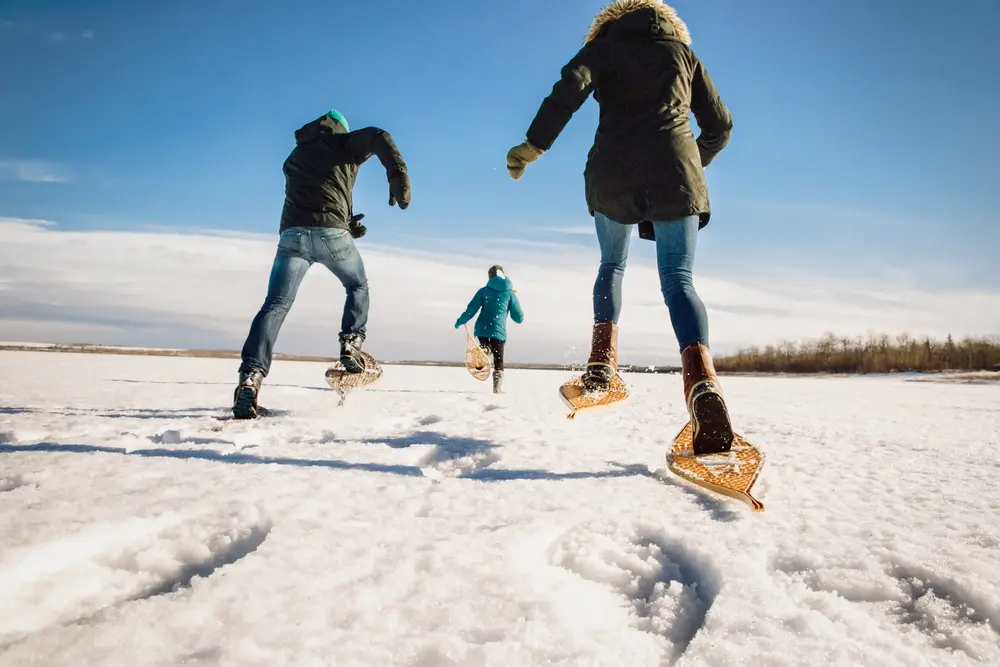
A Journey Through Fall and Winter Outdoor Fitness
On a crisp autumn afternoon, two friends, Emma and Jack, laced up their running shoes with a shared promise: to explore how fall and winter outdoor fitness shaped their routines. Emma thrived in the cooler air of fall, where gentle breezes and golden leaves invited longer runs without overheating. Jack, meanwhile, found winter’s sharp chill motivating but challenging, often adjusting his pace and gear to stay safe. Their experiences revealed how temperature and sunlight distinctly influenced their choices. For example, Emma preferred the mild sun of autumn, which helped maintain her energy, while Jack relied on shorter daylight hours and heavier layers to keep moving. This natural contrast between seasons highlighted the delicate balance of environmental factors that guide outdoor exercise, blending weather awareness with personal preference in the ebb and flow of seasonal sunlight.
Understanding Fall Outdoor Fitness
Fall outdoor fitness revolves around embracing the season’s unique blend of mild temperatures and changing daylight hours. As the heat of summer fades, the air turns refreshingly cool, creating optimal conditions for jogging, cycling, or hiking without the risk of overheating. The warmth of autumn sunlight ensures that early evening workouts still feel comfortable, even as shadows grow longer. This balance encourages consistent activity since the weather seldom forces abrupt changes in routine. For instance, outdoor trainers often note improved endurance during fall because bodies regulate temperature efficiently in these conditions. Moreover, autumn invites outdoor enthusiasts to appreciate nature’s vibrant colors while staying active. The interaction of seasonal sunlight intensity and air quality creates a motivating atmosphere that few other seasons can match.
How Temperature in Fall Influences Exercise
Cool temperatures in fall strike a perfect middle ground between the heat of summer and the bite of winter. The body tends to perform well in these conditions, as muscles stay warm without undue sweat or fatigue. Exercise motivation often peaks, influenced partly by the crisp air that feels invigorating rather than draining. For example, marathon training groups frequently schedule their hardest sessions in autumn, benefiting from increased stamina and reduced risk of heat stroke. However, certain days with sudden drops in temperature require layering clothes strategically to maintain comfort during outdoor workouts. This dynamic emphasizes the need for weather awareness, as adapting to fluctuating fall temperatures can prevent injuries or discomfort. Both casual joggers and serious athletes appreciate how autumn supports sustained outdoor fitness challenges.
The Role of Sunlight in Fall Fitness Routines
Shifting daylight patterns profoundly affect energy and mood during fall workouts. As sunlight hours shorten, the sun’s angle changes, casting a softer glow that can feel calming or even sleepy. The reduced intensity of afternoon light, compared to summer, also lowers glare, making it easier to train without eye strain. However, diminished brightness may influence mental well-being, especially for individuals sensitive to light exposure. To counter this, many fitness enthusiasts time their routines around peak sunlight hours or use reflective gear to stay visible and energized. For example, runners report feeling more focused during daytime sessions, linking their performance to natural light rhythms. These effects illustrate how seasonal sunlight shapes not just physical but psychological aspects of outdoor fitness.
Comparing Fall and Winter Temperature Effects on Fitness
Fall and winter differ sharply in how temperature affects outdoor exercise safety and behavior. While fall offers cool yet comfortable conditions that encourage longer sessions, winter often demands shorter outings and heavier clothing to combat freezing air. This shift influences when and how people choose to stay active outside. For example, grip on icy paths becomes a concern in winter, prompting many to switch from running trails to indoor gyms or treadmill workouts. Safety becomes paramount, as frostbite risk and slippery surfaces require extra caution. Athletes adapting to these changes highlight the importance of precise weather awareness and preparation during the colder months. These contrasts demonstrate how seasonal transitions call for flexible fitness strategies that respect nature’s evolving demands. More on this can be found in perspectives about gym memberships versus outdoor training options.
Sunlight Differences Between Fall and Winter
As autumn deepens into winter, shorter days and lower sun angles change how people structure their outdoor exercise. The reduced daylight means workouts often shift earlier or later to catch any available light. Lower sun angles result in softer, less warming sunshine, requiring more attention to temperature changes and timing. Outdoor enthusiasts find themselves juggling motivation amid these changes. Seasonal sunlight becomes a crucial factor; fewer bright hours can dampen enthusiasm and disrupt routine. Some adapt by embracing early morning walks to enjoy crisp air, while others delay activity until midday warmth peaks. Real-world examples from cities with marked seasonal shifts, like Minneapolis, reveal that many runners join daylight-focused groups to stay motivated through fading light. Recognizing these shifts helps maintain consistency by fostering a flexible exercise schedule that respects natural light cycles and energy levels during fall and winter.
How Does Cooler Weather Affect Outdoor Exercise Motivation?
Cooler temperatures in fall and winter impact outdoor exercise motivation both psychologically and physically. Crisp air can invigorate the body, spurring some to exercise more enthusiastically. However, colder weather also triggers a natural desire to conserve energy, which lowers motivation to get moving. Psychologically, shorter daylight hours often lead to reduced mood and energy, especially for those sensitive to decreasing sunlight. Seasonal Affective Disorder (SAD) can influence this effect, making outdoor exercise feel more taxing. Physically, muscles stiffen faster in cold, requiring more thorough warm-ups, which can discourage spontaneous activity. Yet, many find that bundling up and moving briskly offers a rewarding challenge and sense of accomplishment. Evidence from fitness apps confirms a dip in outdoor activity in colder months, but those using weather-aware tools tend to maintain better habits by planning around temperature and sunlight.
Safety Considerations for Fall vs Winter Exercising
Safety during outdoor exercise varies greatly between fall and winter due to changes in weather conditions and daylight. In fall, layering lightweight but warm clothing helps adjust to fluctuating temperatures throughout the day. Hydration remains important as cool air can mask fluid loss. Moving into winter, wear becomes crucial—thermal layers, insulated gloves, and moisture-wicking fabrics guard against frostbite and hypothermia. Visibility challenges arise earlier in the day because of earlier sunsets and lower sun angles, so reflective gear and headlamps enhance safety. Weather awareness plays a bigger role; knowing when ice, snow, or high winds are expected prevents accidents. For example, Colorado winter runners often postpone outings when ice risks spike. Incorporating safety checks into the routine protects health while encouraging outdoor activity despite seasonal hardships.
Best Times of Day for Fall Outdoor Activities
The best times for outdoor fitness in fall usually coincide with mid-morning to early afternoon when sunlight and temperatures align most comfortably. Around 10 a.m. to 2 p.m., daylight is abundant, and the sun’s angle provides gentle warmth, encouraging longer sessions. Narratives from community running clubs highlight how they schedule group runs during this window for maximum comfort and daylight. Early mornings tend to be cooler and require extra layering, while late afternoons bring swift temperature drops as the sun dips. Practical tips include using weather-based timing strategies to avoid chilly dusk periods and to enjoy improved mood benefits from natural sunlight exposure. Paying attention to cloud cover and wind patterns also helps pick the most pleasant hours for activities like hiking or cycling.
Choosing Appropriate Gear for Fall vs Winter Fitness
Choosing gear for fall and winter fitness means adapting to distinct climate challenges and changing light conditions. In fall, breathable layers like moisture-wicking shirts under light jackets handle cool but variable temperatures well. Accessories often include light gloves and caps for warmth without bulk. Moving into winter, insulated outerwear and thermal base layers become necessities to retain heat during longer exposure to cold. Eye protection against glare at low sun angles and reflective elements on clothing increase safety during darker mornings or evenings. Experienced hikers in the Pacific Northwest recommend layering with waterproof materials and carrying portable hand warmers. This seasonal wardrobe evolution underscores the need for weather awareness to ensure comfort and motivation throughout autumn and winter workouts.
Mental Health Benefits of Fall Sunlight During Exercise
The golden autumn sunlight plays a vital role in enhancing mood and mental resilience when spending time outdoors. During fall, sunlight offers a softer, warmer glow that naturally boosts serotonin levels, helping to fight seasonal blues. This gentle sunlight calms the mind, making outdoor physical activity feel more refreshing and less draining. People often report feeling uplifted and motivated after even short exposure to fall sunlight, which energizes the body without the harsh heat of summer. Sunshine also encourages regular exercise by increasing vitamin D production, essential for mental health. Studies have shown that walking or jogging under seasonal sunlight strengthens stress resistance, making it easier to cope with daily challenges. As a result, fall’s natural light acts as a subtle mood lifter, supporting mental resilience while promoting an active lifestyle in crisp air and colorful surroundings.
Fall Outdoor Fitness and Energy Levels
Fall conditions offer a perfect balance for physical activity compared to the extreme cold of winter. The crisp, cool air helps regulate body temperature, preventing overheating during exercise, while sunlight still provides enough warmth to stay comfortable outdoors. This combination often boosts energy levels, making workouts feel invigorating rather than exhausting. Unlike winter’s shorter days and harsher chill, fall allows longer windows for outdoor fitness without the need for extensive layering. However, as temperatures drop closer to winter, motivation can wane due to increased frequency of cloudy days and cooling winds. For many athletes and casual exercisers, autumn presents a window where energy spikes, but awareness of weather changes becomes necessary to avoid early fatigue. Awareness of this subtle energy shift helps people plan better and adapt their routines appropriately.
Navigating Daylight Savings and Fitness Schedules
Daylight savings shifts can create new challenges when trying to maintain consistent outdoor fitness routines in fall. As daylight hours shorten, workouts previously done in late afternoon might need earlier scheduling to catch enough sunlight. This often forces adjustments to avoid running in the dark, which many find less appealing or safe. In contrast, mornings become brighter earlier, presenting an opportunity to start the day with exercise, though temperature might feel colder then. These changes require increased weather awareness and flexibility to stay motivated during unpredictable light conditions. Successful planners learn to embrace changing schedules by creatively mixing early sessions and evenings while maximizing daylight. Those who master this balance tend to remain active and engaged throughout the autumn season, despite shifting sun hours, much like navigating between early sunsets and winter’s slowing mornings with savvy timing choices available in Choosing Between Early Fall Sunsets and Winter’s Late Mornings.
A Tale of Two Friends and Their Seasonal Fitness Routines
Emma and Lucas, two friends committed to outdoor fitness, face contrasting challenges as fall melts into winter. Emma embraces the cozy temperatures of fall, enjoying long runs under glowing amber leaves. She finds sunlight warming enough to energize but soft enough to keep her cool, allowing steady outdoor sessions. Lucas, on the other hand, begins to feel winter’s grip by late fall. Shorter days cut his running windows, while chilling winds demand heavier gear. He resorts to midday jogs to soak in fleeting sunlight, appreciating how it keeps spirits high despite the cold. Both adjust their schedules—Emma heads out at sunset to absorb autumn’s colors, while Lucas combats winter’s early darkness by exercising near windows indoors after daylight fades. Their story mirrors real seasonal shifts that require tuning workouts to temperature swings and sunlight changes, similar to insights found in Does Fall Sun or Winter Sun Fool You More About Temperature?.
How Do Fall Weather Changes Influence Fitness Goal Setting?
Changing fall weather directly influences how people set and adjust their fitness goals. The drop in temperature encourages an emphasis on building endurance and strength before winter’s peak cold. Some might aim for shorter, more intense workouts in cool air, while others focus on outdoor activities that take advantage of autumn’s longer daylight versus winter’s gloom. Additionally, the diminishing sunlight makes consistency tricky, pushing many to shift goals towards indoor options or mixed routines. Weather awareness leads to practical targets, like fitting exercise in during the sunniest parts of the day or layering gear to stay comfortable. This seasonal shift can be motivating but also challenging, as the body and mind adapt to less warmth and light. As a result, goals often become more flexible and seasonally informed, reflecting the evolving nature of outdoor activity during fall and anticipating winter changes.
Tips for Maximizing Fall Outdoor Fitness Experiences
Maximizing the fall outdoor fitness experience requires a few thoughtful habits. First, timing workouts to coincide with peak sunlight boosts both energy and safety—late mornings and early afternoons often work best. Choosing breathable yet insulating layers allows for comfort during fluctuating temperatures. Footwear with good traction helps navigate fallen leaves and damp trails safely, preventing slips. Staying motivated can come from setting small seasonal goals, such as exploring new parks or joining local outdoor groups that share autumn hikes or runs. Emma and Lucas’s approach highlights the importance of adapting routines to light and temperature shifts while embracing fall’s scenic charm. Finally, staying hydrated and fueling well, even as thirst decreases with cooler air, supports sustained activity. Practical advice like mixing in indoor sessions when the weather worsens ensures continuous progress through the fall season while enjoying the best of Choosing Between Personal Trainers and Gym Memberships alternatives.
Why Fall Sunshine Feels Different Than Winter Sunshine
Fall sunlight captures a unique essence that contrasts sharply with the colder winter months. The angle of the sun shifts during autumn, delivering a softer, warmer glow that feels inviting rather than harsh. This effect happens because the sun is lower in the sky compared to summer but still higher than in winter, creating a balance between brightness and warmth. Psychologically, the vibrant colors of autumn leaves paired with this gentle light often evoke feelings of comfort and renewal. Unlike winter’s diffuse and often bluish light, fall sunlight penetrates the atmosphere with a golden hue, which can brighten moods and encourage outdoor activity. A real-world example comes from Colorado’s peak fall season, where hikers report increased energy and motivation under the rich autumn sunlight, reflecting the genuine physical and psychological benefits of seasonal sunlight. These elements combine to make the sensory experience of fall sunshine distinctly uplifting and energizing compared to winter’s chillier light environment.
Balancing Sunlight Exposure and Safety in Fall Fitness
Enjoying fall sunlight while staying safe, especially during outdoor exercise, requires a thoughtful approach. The crisp autumn air can mask the sun’s strength, often causing people to underestimate their risk of overexposure. Balancing sun protection with warmth is key; lightweight, UV-protective clothing works well alongside moisture-wicking layers that guard against chill. For example, runners in New England adjust their gear to avoid both sunburn and a mid-run chill by layering breathable fabrics and using sunscreen diligently. Timing outdoor workouts to avoid the peak sun hours between 10 a.m. and 2 p.m. provides enough light for vitamin D synthesis without risking harm. Additionally, paying attention to weather awareness helps prevent sudden temperature drops. These practices ensure that fall’s pleasant sunlight enhances fitness routines safely, allowing individuals to enjoy the season’s unique conditions without compromising health.
Discussion on Seasonal Challenges and Solutions
Addressing common difficulties in fall and winter outdoor fitness entails recognizing distinct weather effects and daylight availability. Limited sunlight often leads to a drop in motivation and energy, while cold air increases risks such as muscle stiffness or even hypothermia if not managed properly. Real-world fitness programs like those run by REI in the Pacific Northwest integrate specialized warming routines and recommend gear adjustments as essential strategies to combat these barriers. Participants learn to listen to their bodies and adjust intensity accordingly, a practice that balances challenge and safety effectively. Using wearable technology to track temperature and light exposure also enhances weather awareness. These tactics ensure that seasonal shifts do not derail fitness goals but become part of a sustainable, health-focused lifestyle.
Conclusion: Finding Your Fall Fitness Rhythm
Finding your rhythm amid fall’s shifting landscape invites a fresh perspective on outdoor exercise. The season’s crisp air and vibrant colors offer an inspiring backdrop that can energize even the most reluctant fitness enthusiasts. Embracing fall conditions means accepting the dynamic changes in temperature and light with confidence and preparation. For instance, a cycling coach in Portland emphasizes incorporating flexible training plans aligned with the daylight available and encourages a positive mindset toward layering clothing. This approach not only supports physical health but nurtures the psychological benefits of connecting with nature in autumn. By blending fall awareness with resilience, anyone can transform their routine into a joyful, seasonal celebration. Readers interested in maximizing autumn’s potential might also explore insights on early fall sunsets, which affect workout timing and mood significantly.