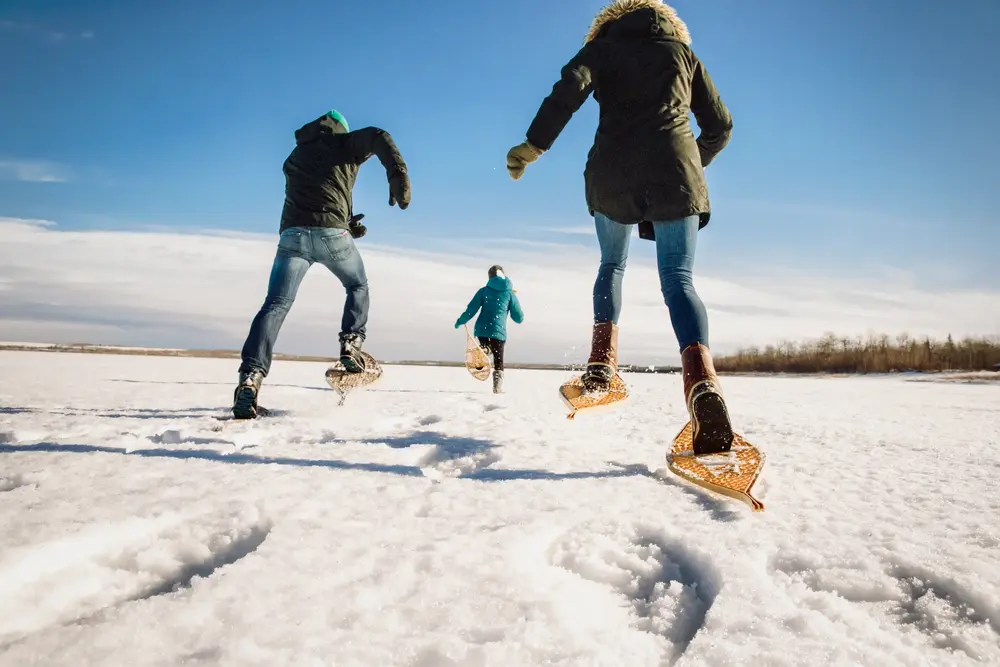
Balancing Winter Sun and Temperature
Balancing safety in travel during winter involves carefully managing sun exposure and temperature to maintain comfort and wellbeing. When I travel in colder months, I focus on regulating time in the sun to gain warmth and essential vitamin D without risking cold-related health issues. Practical strategies include planning outdoor activities during peak sunlight hours and dressing in layers to adjust to changing temperatures. Enhancing safety requires protecting skin from dry winter air and UV rays, even when it is cloudy. This approach improves daily comfort and reduces risks like frostbite or hypothermia by keeping body temperature steady. I have found that prioritizing these safety measures helps manage winter’s challenges effectively while enjoying the outdoors with confidence. In winter, balancing sun exposure and temperature is essential for maintaining comfort, health, and safety. I have found that understanding how to regulate time in the sun and protect against the cold can improve daily well-being significantly. This article will guide you through effective strategies to manage these factors during the colder months.
Why Balance Sun Exposure and Temperature in Winter?
Exposure to winter sunlight plays a vital role in overall health and comfort by supplying warmth and supporting vitamin D production. However, extended exposure to cold air increases risks such as lowered body temperature and dry, irritated skin. It is important to balance these factors to stay safe and comfortable during winter travel. For example, I recommend seeking sunlight during midday hours, when UV rays can be beneficial without prolonged cold exposure. Maintaining a safe balance also supports the immune system against illnesses common in cold months. Using simple approaches like timed outdoor breaks and appropriate clothing ensures steady body temperature, enhancing safety and reducing discomfort in chilly conditions. Exposure to sunlight in winter provides vital vitamin D and warmth, but too much cold exposure can cause health risks. Balancing these elements helps maintain body temperature and skin health.
How Does Sun Exposure Affect Winter Health?
Sun exposure has a direct impact on physical and mental health during winter months. The presence of sunlight helps improve mood by increasing serotonin levels and assists vitamin D production, which is crucial when daylight hours shorten. Without adequate sunlight, people may experience feelings of lethargy or seasonal depression. On the other hand, cold wind and dry air can quickly damage skin, leading to irritation or cracked surfaces if not protected. From my experience, limiting time spent outside to reasonable intervals and applying skin protection can maintain safe skin health. Balancing these elements encourages a positive mental state and physical well-being, which are essential for safe winter travel. Sunlight helps improve mood and supports vitamin D production, which is crucial in winter when days are shorter. However, cold air can dry skin and lower body temperature if exposure is unmanaged.
What Are the Risks of Overexposure to Cold Winter Temperatures?
Prolonged exposure to cold winter temperatures poses serious health dangers such as frostbite, hypothermia, and weakened immune function. It is crucial to recognize early warning signs, including numbness, shivering, and pale skin, to respond quickly and prevent harm. I have noticed that using wearable devices along with standard precautions improves awareness of temperature changes and potential risks during travel. Avoiding extended stays in cold environments without protection enhances safety significantly. Learning these symptoms and acting promptly can save lives and minimize winter-related health issues while maintaining comfort in travel settings. Ensuring safety in travel entails both awareness and preparedness against cold hazards. Prolonged cold exposure can lead to frostbite, hypothermia, and weakened immune responses. Recognizing early symptoms like numbness and shivering is important for timely action.
How to Protect Your Skin from Winter Sun and Cold?
Protecting skin from harsh winter sun and cold conditions requires practical steps and reliable products. I recommend applying broad-spectrum sunscreen daily, even on cloudy days, as UV rays can still cause damage to exposed skin. Regular use of moisturizers helps combat dryness caused by cold, windy air. Wearing protective clothing such as scarves, gloves, and hats shields skin from direct wind exposure and heat loss. For example, I have found that layering with moisture-wicking fabrics underneath insulated outerwear balances warmth and skin hydration effectively. These strategies maintain safe skin health throughout winter activities and support overall safety in travel during colder months. Such protection prevents long-term damage and immediate discomfort. Using sunscreen on exposed skin and moisturizing regularly are key. I recommend applying broad-spectrum sunscreen even on cloudy days and wearing protective clothing to shield from wind and dryness.
What Clothing Strategies Help Balance Temperature in Winter?
Layering clothing strategically is essential to maintain safety in travel during cold weather. I find that starting with a moisture-wicking base layer helps keep skin dry by drawing sweat away. Adding an insulating mid-layer, such as fleece or down, traps warmth effectively while remaining breathable. Finishing with a windproof and water-resistant outer layer shields against harsh elements, protecting the body from sudden temperature changes. Accessories like hats and gloves are crucial for preserving heat in extremities, preventing frostbite or discomfort. Choosing fabrics wisely is equally important; synthetic materials often outperform cotton since they dry quickly and retain insulation even when wet. I learned from outdoor safety experts that combining layers allows easy adjustment based on activity level and weather conditions, helping avoid both overheating and chilling. For anyone concerned with safe winter travel, mastering this technique improves comfort and reduces risks associated with exposure. This approach aligns with broader strategies shared in fall-winter conflict analyses on protecting oneself in extreme climates. Layering with moisture-wicking base layers, insulating mid-layers, and windproof outer layers effectively manages temperature. Wearing hats and gloves also protects extremities.
When Is the Best Time for Sun Exposure in Winter?
Sun exposure during winter provides valuable health benefits but requires careful timing to ensure safety. The midday hours, typically between 11 a.m. and 2 p.m., offer the most effective sunlight to support vitamin D production because the sun is at its highest point. I have noticed that limiting direct exposure between 15 to 30 minutes works well depending on skin type; fairer skin needs less time to avoid damage. Extending sun time beyond this can increase the risk of burns, even in cold weather. It is important to balance benefits with caution by applying sunscreen or protective clothing if staying outdoors longer. Personal experience confirms that getting some sunlight during these peak hours helps combat winter blues and maintains energy. This timing advice also appears in comprehensive assessments such as the 2026 fall and winter reviews, which emphasize measured sunlight to maximize benefits while minimizing harm during colder months. Midday hours typically provide the safest and most beneficial sun exposure. Limiting time to 15-30 minutes depending on skin type helps avoid overexposure.
How Can I Use Technology to Monitor Sun and Temperature Exposure?
Technology offers several tools to enhance safety during outdoor activities by tracking sun and temperature exposure. Wearable UV sensors provide real-time alerts when ultraviolet levels rise, which is particularly helpful when monitoring safe sun exposure times. I rely on smartwatches that integrate both UV and temperature sensors to adjust my plans accordingly. These devices notify me to add layers or seek shade if the sun becomes too intense or if temperatures drop sharply. Apps connected to these sensors display detailed metrics and trends, allowing for informed decisions to avoid hypothermia or sunburn risks. Practical use of technology like this improves safety in travel by reducing guesswork and supporting real-time responses to environmental changes. The integration of these innovations resembles trends discussed in studies focused on families’ health and technology in 2024. Portable UV sensors and smart watches can alert you when sun exposure is high. Temperature monitors help you adjust clothing and outdoor time accordingly.
What Portable Devices Are Useful for Safety During Winter Travel?
Carrying portable devices during winter travel greatly enhances personal safety. Devices such as portable alarms allow quick alerts in emergencies, especially when traveling in remote or isolated areas. I often use GPS trackers that provide real-time location sharing, which is vital if help is needed or if I get lost. Emergency communication gadgets, including satellite phones or personal locator beacons, ensure contact even when conventional networks fail due to cold or terrain challenges. Adding thermometers and weather alert devices helps anticipate dangerous conditions and adjust clothing or routes. These safety tools have become increasingly compact and reliable, making them indispensable for anyone prioritizing security during winter excursions. Their importance is consistent with tools recommended in family emergency preparedness protocols for cold weather travel. I suggest carrying portable alarms, GPS trackers, and emergency communication devices. These tools enhance security when traveling in isolated or cold environments.
How Do I Balance the Need for Sunlight with Risk of Cold When Traveling?
Balancing the need for sunlight with the risk of cold during outdoor travel requires deliberate planning and adaptability. I prefer scheduling activities during peak sunlight hours to maximize warmth naturally, reducing the reliance on heavy clothing. Wearing adaptable layers allows me to add or remove garments easily as temperatures shift throughout the day. Taking regular breaks indoors to warm up prevents prolonged exposure, which can increase the risk of hypothermia. Hydration and light movement during these breaks help maintain circulation and body heat. This approach ensures I stay safe and comfortable while gaining the benefits of sun exposure. Practical advice like this appears in strategic overviews contrasting travel risks across seasons, such as the impact analyses of potential fall-winter conflicts, which also emphasize thoughtful layering and timing as keys to safe winter travel. Planning outdoor activities during peak sunlight and dressing in adaptable layers allows balance. Taking breaks indoors to warm up is also beneficial.
Can Excessive Sunlight in Winter Be Harmful?
Winter sun can still pose significant risks to skin health despite colder temperatures. The ultraviolet (UV) rays remain present and strong enough to cause damage such as sunburn and snow blindness. Snow reflects up to 80% of UV radiation, increasing exposure even on cloudy days. I have found that wearing sunglasses that block UV rays helps prevent snow blindness especially in snowy environments. Applying broad-spectrum sunscreen on exposed areas protects against sunburn and premature skin aging. Establishing these protective habits ensures ongoing safety during winter outdoor activities, maintaining skin health regardless of season. Yes, UV rays can still cause skin damage in winter. Wearing sunglasses and sunscreen prevents issues like snow blindness and sunburn.
What Are the Best Habits to Develop for Winter Temperature Management?
Adopting effective winter temperature management habits involves daily routines that prioritize comfort and safety. Regular hydration supports the body’s natural temperature regulation, while staying updated on weather forecasts helps plan safe outdoor exposures. I have learned that adjusting activity times to avoid extreme cold periods minimizes health risks. Additionally, paying attention to body signals such as shivering or overheating allows timely adjustments to clothing or heliocentric exposure. These lifestyle choices collectively create a balanced approach to managing cold weather while maintaining safety in travel and outdoor activities. Regular hydration, monitoring weather forecasts, and adjusting outdoor activity times improve temperature management. Staying mindful of body signals is critical.
How Do I Prepare My Home for Balance of Sunlight and Winter Cold?
Preparing a home to balance winter cold with sunlight involves thoughtful adjustments that enhance comfort and conserve energy. Using insulated curtains reduces heat loss through windows without blocking natural light essential for wellbeing during shorter days. I manage window treatments to maximize sun exposure in living areas during daylight, which naturally warms rooms. Installing reliable heating systems with easy temperature control improves indoor safety and comfort. These measures ensure that homes remain warm and inviting while benefiting from daylight, which supports both physical health and energy efficiency. Using insulated curtains and managing window exposure helps maximize natural light while retaining warmth. Proper heating systems maintain indoor comfort.
What Nutrition Helps Support Body Temperature in Winter?
Nutrition plays a vital role in maintaining body temperature and overall health during cold seasons. Consuming warm, nutrient-rich meals boosts metabolism and helps retain heat internally. I prefer warm soups and stews made with root vegetables, which provide essential vitamins and minerals while offering comforting warmth. Drinking herbal teas supports hydration differently than cold beverages, aiding digestion and warmth. Staying mindful of dietary choices complements physical layers of clothing and home heating, thereby enhancing safe adaptation to winter climates. Eating warm, nutrient-rich meals and staying hydrated support metabolism and warmth. Foods like soups, root vegetables, and herbal teas are beneficial.
How Do I Recognize When I Need to Adjust Sun or Temperature Exposure?
Recognizing when to adjust sun or temperature exposure involves tuning into clear signs from the body. Feeling chilled alerts to insufficient warmth, while excessive sweating may indicate overdressing or overheating. Redness or irritation on the skin signals sun or cold exposure beyond safe limits. I monitor these responses closely, modifying clothing layers or moving indoors when necessary to maintain optimal comfort. This attention to physical cues promotes proactive safety in travel and outdoor activities, preventing health issues related to improper temperature or sun management. Feeling chilled, excessive sweating, or skin redness are cues to modify exposure. Listening to these signals prevents health issues.
What Are Common Mistakes People Make in Winter Sun Management?
Many underestimate winter sun risks or overdress, causing sweating and chills. Balanced preparation avoids these pitfalls.
How Do I Ensure Children Are Safe With Sun and Temperature in Winter?
Ensuring children remain safe from sun exposure and cold temperatures during winter requires a balanced approach. I find that gentle sun exposure can promote vitamin D production, but it must be paired with consistent application of sunscreen to protect sensitive skin. Dressing children in layers allows for easy adjustment as temperatures change throughout outdoor playtime. For instance, lightweight thermal clothing beneath waterproof outerwear keeps kids warm without overheating. Monitoring children closely and limiting exposure time during peak sun hours or extreme cold is essential. A real-world example involves pediatric advice from the American Academy of Pediatrics, which emphasizes layering and sunscreen use even in winter months. This combination safeguards against sunburn and hypothermia, two risks often overlooked during cold seasons. Maintaining these habits supports overall safety in travel and outdoor activities, ensuring children can enjoy winter days comfortably and healthily. Children need gentle sun exposure and proper layers. Parents should monitor playtime and apply sunscreen regularly.
What Travel Security Systems Are Best for Winter Travel?
Selecting the right travel security systems for winter travel enhances personal safety and protects valuables against theft or loss. Compact alarm systems offer portability without sacrificing reliability, making them ideal for varied winter conditions. Travel locks that secure luggage and portable cameras provide continuous surveillance, alerting travelers to any intrusion attempts. I have used travel security devices from brands like Pacsafe, which integrate slash-proof straps and RFID-blocking technology in their designs. These devices are particularly useful in crowded winter destinations where the risk of theft may increase. The combination of alarms, locks, and cameras creates a multi-layered defense that reduces security breaches during travel. For anyone planning winter trips, investing in these tools promotes peace of mind and safe management of personal belongings. To understand more about global risk factors affecting winter travel, reviewing assessing war risks in fall and winter 2026 clarifies how conditions impact security needs. Compact alarm systems, travel locks, and portable cameras help protect belongings and personal security in winter trips.
How Do I Integrate Technology and Personal Precautions for Winter Safety?
Integrating technology and personal precautions forms a comprehensive approach to safety during winter. I recommend combining device alerts such as weather apps and portable temperature or UV monitors with behavior adjustments like planning activity timing and selecting appropriate clothing. Using wearable tech that tracks body temperature can warn of early signs of cold-related stress, allowing timely action. Meanwhile, cautious route planning to avoid icy or exposed areas minimizes accident risks. Applying layered clothing paired with tech insights supports maintaining body heat effectively. For example, hikers often employ GPS and emergency alert devices for safe navigation in frigid environments. Such integration ensures preparedness against sudden weather shifts or emergencies. Advancing this approach, I find resources like analyzing the impact of potential 2026 fall-winter conflicts provide insights into external factors influencing winter safety strategies. Combining device alerts with cautious planning and appropriate gear creates a comprehensive safety strategy in winter.
Conclusion
Balancing sun protection and temperature management during winter involves consistent, practical measures. I emphasize protecting the skin through daily use of sunscreen since UV rays remain strong despite cold weather. Dressing in layers allows flexibility to respond to changing temperatures and physical activity levels. Supplementing these habits with useful technology such as UV sensors and temperature trackers enhances awareness and response times. For travelers or outdoor enthusiasts, combining these tools helps maintain comfort and reduce risks like frostbite or sunburn simultaneously. The key takeaway from my experience is that safety in cold months demands vigilance, preparation, and adaptability. Brands innovating in wearable tech and security devices continually improve these outcomes. Interested readers might explore AI healthcare trends families should know in 2024 to see how emerging technology further supports winter wellbeing. Balancing sun exposure and temperature in winter is achievable with thoughtful habits and tools. By protecting your skin, dressing smartly, and using technology, you can enhance comfort and safety during cold months.
Key Takeaways
- Proper sun exposure in winter supports health but requires protection.
- Layered clothing efficiently manages body temperature.
- Portable devices can monitor UV and temperature for safety.
- Recognizing body signals helps prevent cold-related health issues.
- Travel security devices increase personal safety in winter conditions.
- Skin protection is important year-round, even in winter.
- Planning activities around sunlight optimizes benefits and limits risks.