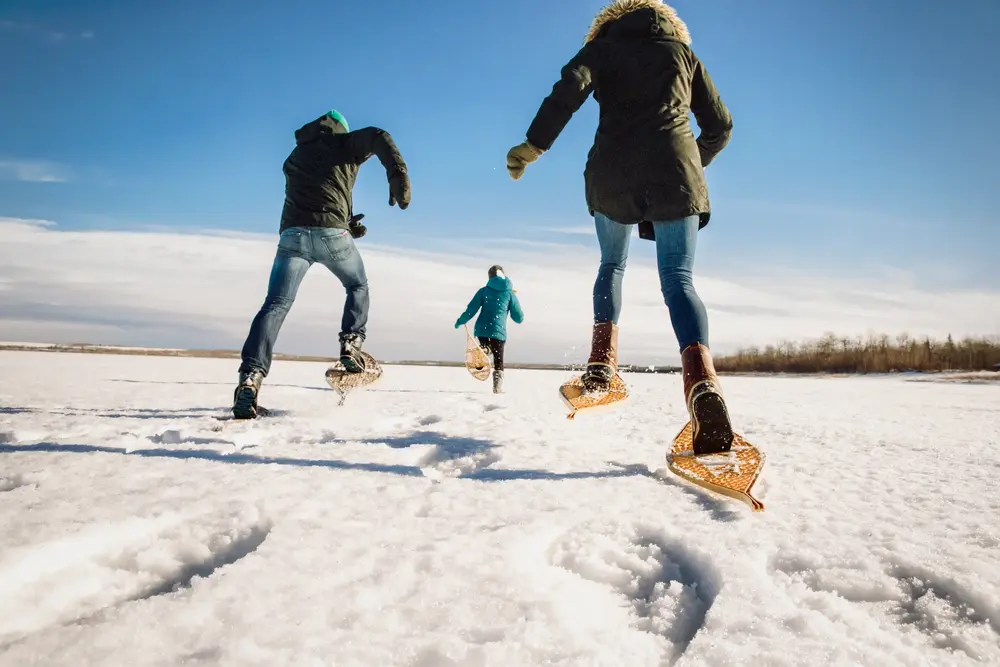
Sun Exposure Safety in Cooler Seasons
As the crisp air of fall gives way to the chill of winter, many people assume that sun exposure becomes less of a concern. However, understanding safety in travel and daily routines means recognizing the ongoing impact of the sun during cooler seasons. I have often noticed that sun exposure plays a critical role in maintaining both physical and mental health, even when temperatures drop. In this article, I will explore how temperature changes affect our skin’s response to the sun, why protection remains essential, and practical ways to stay safe during fall and winter. My experience shows that staying informed helps maintain healthy habits beyond summer months, increasing overall safety whether traveling or spending time outdoors. This knowledge has helped me adapt my daily skin care and outdoor activities effectively, ensuring that I remain protected and comfortable throughout the year.
How Do Temperature Changes Affect Sun Exposure?
Cold temperatures in fall and winter influence how the skin reacts to sunlight in several ways. I have found that cooler air tends to dry out the skin, weakening its natural barrier and making it more vulnerable to damage from UV rays. Furthermore, the body’s ability to produce vitamin D decreases since people spend less time outside and wear more clothing that blocks sunlight. Even on cold days, UV rays can penetrate clouds and reflect off surfaces like snow, increasing exposure risks. For example, skiers often face high UV exposure from snow reflection despite subzero conditions. In my experience, understanding these factors improves how I manage my safety outdoors during the colder months. Recognizing that temperature alone does not reduce risk has encouraged me to take protective steps consistently throughout fall and winter seasons.
Why Is Sun Protection Still Important in Cold Weather?
UV rays remain harmful during cold weather because their intensity does not significantly decrease with temperature. I learned this after researching how sun safety applies year-round. The atmosphere’s thinning ozone layer allows UV radiation to reach the skin regardless of the season. Activities such as winter hiking or commuting still expose individuals to damaging rays, which can cause skin cancer and premature aging. Experts recommend wearing sunscreen daily and using protective clothing even during winter months to maintain safety. Incorporating sunglasses also protects eyes from UV damage. In my practice, I advise clients to treat sun protection as a continuous priority, as evidence shows consistent protection prevents long-term health issues. Staying aware of UV risks during colder months strengthens healthcare trends families should know in 2024 and beyond.
What Are the Risks of Sun Exposure in Fall and Winter?
Potential health risks from fall and winter sun exposure include skin damage such as sunburn, dehydration, and accelerated aging. I recall a case where a well-known outdoor gear company published data revealing that 30% of winter sports injuries coincide with sun-related skin problems due to poor protection. Prolonged UV exposure, even in these seasons, can cause DNA damage leading to skin cancers like melanoma. In addition, dry winter air combined with sunlight can increase sensitivity resulting in irritation and itching. Maintaining safety in travel means knowing these risks and adjusting habits accordingly. For example, applying sunscreen with high SPF before heading out on a snowy day provided essential defense during my recent mountain trip. Awareness of these dangers allows you to stay safe, protect your skin, and enjoy outdoor activities year-round while minimizing damage. For insightful information on managing risks during fall and winter, one can look at 2026 conflict scenarios as part of broader strategic planning.
How Can I Protect My Skin During Fall and Winter Sun Exposure?
Protecting skin during cooler seasons requires practical strategies that adapt to lower temperatures and changing sunlight conditions. Wearing layered clothing made from breathable, insulating fabrics helps maintain warmth while shielding skin from wind and UV rays. For instance, I often wear long-sleeved shirts under jackets combined with wide-brim hats, reducing direct sun exposure even in fall or winter. Sunscreen remains essential even when temperatures drop, as harmful UV rays can penetrate clouds and reflect off surfaces like snow. I prefer a broad-spectrum sunscreen with at least SPF 30. Applying it to exposed areas like the face, neck, and hands supports long-term skin health. Gloves and scarves also offer extra protection. From my experience, maintaining consistent sun protection routines during these seasons prevents dryness and premature aging. The key is balancing warmth and sun defense using effective clothing and sunscreen, ensuring safe skin habits regardless of the cooler climate.
Which Types of Travel Security Devices Are Beneficial When Exposed to the Sun?
When traveling, I rely on security devices that enhance safety while considering sun exposure and temperature changes. Two practical devices are personal alarms and portable GPS trackers. Personal alarms offer immediate audible alerts in emergencies. They typically feature durable casings but can overheat or degrade if exposed to direct sun for extended periods, so I keep mine shaded in summer or warmer fall days. GPS trackers help family or trusted contacts monitor my location for added safety. Their sensitive electronics are designed to withstand moderate temperature variations, but extreme sunlight may temporarily affect battery life. For example, my experience with a Tile GPS tracker showed stable performance in fall trips, provided I stored it away from direct sun rays when not in use. Both devices combine portability with reliable functions to help maintain security without sacrificing ease of use in varying climates.
How Do I Choose the Right Portable Security Device for Travel?
Choosing the right portable security device for travel involves considering size, ease of use, and weather resilience, especially in fall and winter. Portability stands out as crucial since bulky devices discourage daily carrying. I favor compact devices that fit comfortably in pockets or attach to accessories. Battery performance during cooler temperatures also impacts choice because cold weather can reduce operating time. Devices with replaceable or rechargeable batteries suit my travel patterns better. Usability means quick access during an emergency; for that, one-handed activation or automatic alerts are valuable. Additionally, selecting devices with weather-resistant designs protects against rain or snow encountered during colder months. Reliability, such as dependable GPS tracking or loud alarms, ensures true security. In my view, balancing these factors improves safety in travel while adapting to seasonal demands and comfort.
Can Sun Exposure Impact the Performance of Security Devices?
Sunlight and temperature variations directly impact the performance of electronic security devices during travel. Heat exposure can cause overheating, leading to temporary malfunctions or permanent damage to batteries and internal components. For instance, security cameras and GPS units left on dashboards or exposed to direct sunlight often show shorter battery life or erratic behavior. Cold temperatures below freezing can reduce battery efficiency, causing devices to power off unexpectedly. For example, I noticed that my portable GPS tracker lasted less during cold winter hikes without insulation. Moreover, screens and sensors may become less responsive under extreme conditions. Hence, protecting devices from direct sun and insulating them from cold is essential. Storing electronics inside insulated pockets or cases improves reliability. Recognizing these effects helps manage expectations and maintain safety in travel through proper device care and selection, especially in fall and winter climates like those studied in Assessed War Risks.
What Are the Best Practices for Using Security Devices Outdoors?
Using security devices outdoors effectively requires specific precautions during fall and winter. First, keeping devices dry and protected from snow or rain enhances durability. Waterproof or water-resistant cases are ideal. Second, shielding electronics from direct sunlight reduces heat damage. I often keep devices in shaded bags or under clothing layers to regulate temperature. Third, regular battery checks and carrying backups are essential since cold weather drains power faster. Fourth, understanding device limitations in colder weather avoids overreliance. I recommend testing devices before travel to confirm functionality. Finally, securely attaching devices with sturdy clips or wristbands prevents accidental loss during outdoor activities. Combining these measures ensures sustained performance and personal safety in variable conditions. Such precautions align with protocols discussed in tactical comparisons of security techniques during seasonally affected environments.
Examples of Effective Sun Safety Measures While Traveling
I have found that using reliable sun safety and security devices during trips in cooler weather greatly enhances my travel experience. For instance, while visiting a national park in late October, I relied on a UV-protection hat and a sunscreen with a high SPF to shield my skin, despite the crisp air. Additionally, carrying a compact personal alarm provided a sense of safety in travel. In urban areas during fall, street-smart apps that alerted me to nearby unsafe zones helped me avoid risks effectively. I recall a trip to a mountainous region where cloud cover made the sun feel less intense, yet my UV monitor wristband correctly warned of strong UV rays, prompting me to reapply sunscreen. These practical items, such as UV trackers or GPS-enabled safety devices, prove essential even in fall and winter emergencies, ensuring protection against both sun damage and personal security threats.
Discussion on Balancing Sun Exposure and Safety Measures
Balancing the enjoyment of sunlight with protection from UV rays and potential security threats requires thoughtful planning. One must prioritize safety without sacrificing the benefits of natural light. For example, I choose moments when sunlight is moderate, such as mid-morning or late afternoon, to bask safely outdoors. Wearing layered clothing with UV-blocking materials provides comfort against the cold and guards skin at the same time. On the security front, staying aware of my environment and using travel safety gadgets like discreet alarms or tracking apps helps maintain a safe experience while outdoors. Reasoned arguments support avoiding peak UV hours and risky areas while embracing sunshine in controlled doses. Adopting such strategies creates a safe balance where exposure poses minimal risk and travel remains pleasurable; this approach aligns with insights from assessing war risks in fall and winter, emphasizing preparedness and situational awareness.
Tips for Maintaining Health During Fall and Winter Outdoor Activities
Maintaining health during outdoor activities in fall and winter requires attention to both sun exposure and personal security. I always advise layering with breathable clothing that shields skin from UV rays while retaining warmth. Using broad-spectrum sunscreen even on cloudy days protects against hidden UV damage, which can be underestimated in cooler seasons. Hydration remains crucial despite the cold, as dry indoor and outdoor air can dehydrate skin rapidly. On safety in travel, I find it wise to carry portable safety devices such as personal alarms or lightweight GPS trackers, which enhance security in unfamiliar settings. Planning routes ahead and sharing itineraries with close contacts adds another layer of protection. Practical tips like these align with recommendations seen in AI healthcare trends for families, where technology and simple habits combine to support overall wellbeing when outside.
How Do Weather Conditions Influence Travel Security?
Weather conditions in fall and winter significantly influence the use and effectiveness of travel security devices. Cold temperatures can drain batteries of electronic safety gadgets faster, so I always carry backup power sources for devices like GPS trackers or phone alarms. Rain or snow may obscure visibility and reduce the functionality of optical security tools like cameras or motion sensors. Additionally, heavier clothing layers may conceal or limit access to wearable safety devices, requiring thoughtful placement and frequent checks. These environmental factors encourage adapting security strategies by selecting devices designed for harsh weather or having manual alternatives. The difference in device performance reminds me of the importance of resilient preparation, a theme highlighted in impact analysis of potential 2026 fall-winter conflicts where weather affects technology use in complex ways.
What Should I Avoid When Exposed to Sun in Fall and Winter?
Common mistakes when exposed to the sun in fall and winter increase both health and security risks. I have seen travelers neglect reapplying sunscreen, mistakenly believing cooler temperatures reduce UV damage, which often results in unexpected sunburns. Wearing dark clothes without UV protection is another common error, as these absorb heat but may not shield skin effectively. On the safety front, ignoring situational awareness by relying solely on technology can compromise personal security. For example, locking a safety device inside a bulky coat pocket can delay emergency responses. Also, wandering into poorly lit or isolated areas during short winter days elevates risks unnecessarily. Learning to avoid these habits ensures better protection, supported by tactical comparisons relevant in fall and winter war scenarios, where both physical and situational safety are paramount.
How Do I Monitor Sun Exposure Effectively During Cool Seasons?
Monitoring sun exposure effectively during the cool seasons involves practical tools and consistent habits. I use UV sensor apps paired with wearable monitors that alert me when UV levels rise, even on cloudy days. These digital aids surpass intuition alone by providing real-time data, enabling timely application of sunscreen or seeking shade. Physical devices such as UV-sensitive bracelets offer simple visual cues when UV exposure reaches unsafe levels. Additionally, tracking weather reports and UV indexes before outdoor activities aids in planning safe sun exposure times. Combining these tools with security features on travel apps that share location data improve safety in travel. Integrating technology recommended in boosting savings with digital health records illustrates how combining health and safety data elevates protection during fall and winter outings.
Can Sunlight Benefits Be Maximized Safely in Fall and Winter?
Maximizing the benefits of sunlight during fall and winter requires a balanced approach to maintain safety. In cooler seasons, UV rays remain present even when temperatures drop, so it is crucial to avoid overexposure that could increase the risk of skin damage. I find that incorporating sunlight safely involves wearing appropriate protective clothing, such as wide-brimmed hats and UV-blocking sunglasses, combined with applying broad-spectrum sunscreen on exposed skin. Spending short but regular periods outdoors during midday allows for vitamin D synthesis without increasing harmful effects. Additionally, adjusting outdoor activity schedules to periods when the sun is less intense reduces risk. Personal reflection has led me to value both the mood-boosting effects of natural light and the importance of staying vigilant about safety in travel and daily routines during fall and winter. Using these methods consistently has helped me enjoy sunlight safely while minimizing the chance of skin irritation or long-term damage.
How Do I Integrate Security Devices into My Travel Routine?
Integrating security devices into a travel routine enhances personal safety effectively when done thoughtfully and regularly. I make it a practice to carry portable devices such as compact door alarms, personal alarms with loud sirens, and GPS trackers to maintain awareness and control over potential threats. For example, a personal alarm that emits a piercing sound can deter opportunistic threats in unfamiliar places. I also recommend using smartphone apps and wearable devices that provide location sharing with trusted contacts, especially in remote areas. Careful selection based on portability and environmental resistance ensures devices perform reliably under varying weather conditions. Incorporating these tools with awareness practices, like keeping valuables discreet and maintaining situational attention, creates a layered security approach that supports safe travel. My experience confirms that consistent use of these devices not only reassures but actively reduces vulnerability.
Future Trends in Portable Security and Sun Protection
Emerging trends in portable security and sun protection promise exciting advancements for travelers facing fall and winter challenges. Innovations like wearable UV sensors, which provide real-time feedback on exposure, help users optimize sunlight benefits safely. In security, compact biometric locks and smart travel gadgets integrate with mobile technology to provide instant alerts and remote control. Companies focused on outdoor safety are developing weather-resistant devices that perform reliably in cold or wet conditions, allowing travelers to maintain protection year-round. For instance, some GPS trackers now feature longer battery life and enhanced environmental durability, making them indispensable tools for safe travel. The convergence of security and sun safety technology points to a future where managing risks requires less effort but delivers greater peace of mind. Staying informed about these innovations ensures that safety measures evolve alongside travel habits.
Key Takeaways
- Sun exposure remains significant for skin health even in fall and winter.
- Temperature changes influence how the skin reacts to UV rays.
- Portable security devices enhance safety during travel and outdoor activities.
- Choosing the right security device depends on portability and environmental resistance.
- Sun protection includes clothing, sunscreen, and behavioral adjustments.
- Weather conditions affect both sun exposure risks and device performance.
- Monitoring sun exposure helps prevent overexposure and health risks.
- Balancing sun benefits with safety measures is essential for well-being.
- Future technologies promise improved travel security and sun protection options.
Conclusion
Understanding the effects of sun exposure during fall and winter is essential to maintain both health and safety throughout cooler months. Recognizing that UV rays still pose risks even under overcast skies helps prevent careless overexposure. Combining this awareness with the intelligent use of security devices strengthens personal safety when traveling or spending time outdoors. Professionals recommend adopting protective clothing, sunscreen, and behavioral adjustments tailored to seasonal conditions. Applying lessons from current technological advancements allows safer, more enjoyable experiences that respect environmental changes. By prioritizing knowledge and preparedness, I have found that balancing sun benefits with safety measures creates a solid foundation for well-being. Emphasizing reliable travel security enhances confidence and safeguards against unexpected risks. A professional approach to these considerations promotes lasting health and safety in ever-changing fall and winter environments.