Understanding Cold Weather Discomfort
Cold weather discomfort affects many aspects of daily life and travel, making safety in travel a critical consideration. From personal experience, I have noticed how cold temperatures can sharply impact comfort and overall wellbeing. Exposure to cold often leads to numbness, fatigue, and difficulty concentrating, all of which reduce safety by impairing physical and mental performance. Scientifically, the human body works to maintain a core temperature near 37°C, but cold exposure challenges this balance by increasing heat loss through the skin. Travelers who do not prepare adequately face higher risks of cold-related injuries and discomfort, emphasizing the need for effective safety measures during cold-weather trips. Understanding these impacts allows individuals to plan their routes, clothing, and equipment carefully to stay safe and comfortable despite challenging conditions.
How Do Sunlight and Temperature Affect Cold Weather Discomfort?
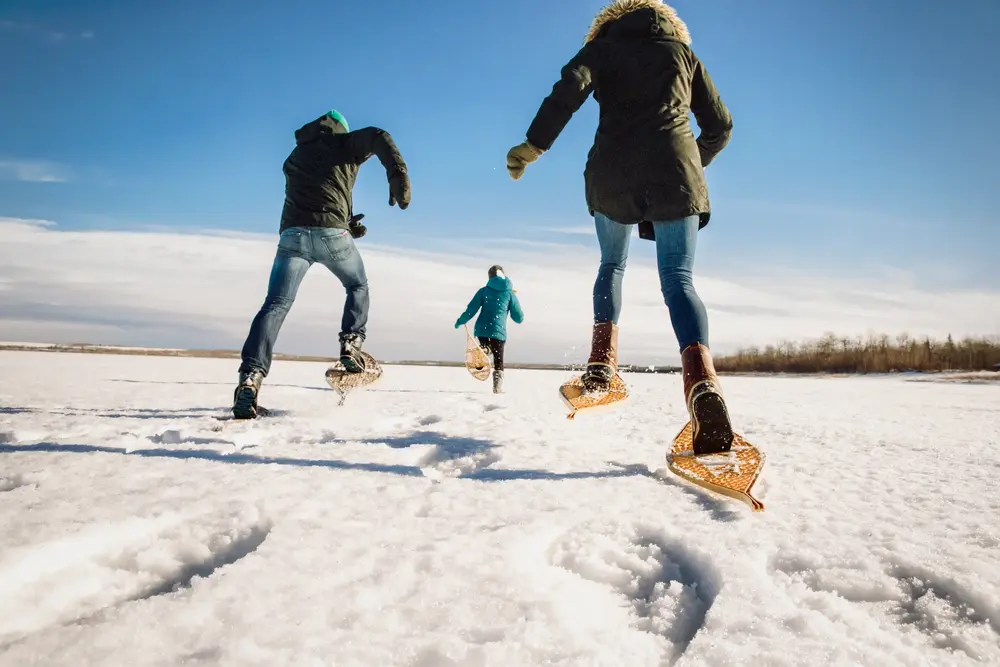
Sunlight and temperature directly influence how cold one feels. When sunlight is abundant, it warms the skin and helps the body preserve core temperature even if the air is cold. For example, I have experienced winter hikes where sunny conditions made 0°C feel tolerable, while shaded areas felt sharply colder. Temperature plays a more obvious role by affecting heat exchange with the environment. As temperatures drop below freezing, the body loses heat faster, increasing discomfort. Physiologically, exposure to cold causes blood vessels near the skin to constrict, which reduces heat loss but can lead to cold extremities and numbness. Combining these effects, sunlight offers both warmth and psychological comfort, reducing the sensation of cold and improving overall safety during outdoor activities.
Why Is Sunlight Important for Managing Cold Discomfort?
Sunlight plays an essential role in managing cold discomfort by supporting body temperature regulation and mental wellbeing. Exposure to sunlight triggers the production of vitamin D and helps regulate circadian rhythms, which influence mood and energy levels. Personally, I find that sunny winter days boost my spirits and make enduring low temperatures more bearable. Sunlight also assists the body in warming skin surfaces naturally, aiding in maintaining a safer core temperature. This interaction is important because cold weather can cause a feeling of isolation or lethargy. The mental boost from sunlight reduces stress and improves alertness, which contributes to safer decision-making and improved awareness of one’s surroundings during cold travel conditions. These benefits reinforce why sunlight exposure is crucial for cold-weather safety in travel.
What Effects Do Low Temperatures Have on the Body?
Low temperatures have significant effects on the human body that often lead to discomfort and safety risks. When exposed to cold, the body reduces blood flow to the skin and extremities to preserve internal warmth. This constriction, while protective, causes common symptoms such as numb fingers, toes, and restlessness. In severe cold, prolonged exposure may result in hypothermia, where core temperature drops dangerously low, impairing mental and physical functions. I have encountered situations where inadequate preparation in cold climates led to slowed reaction times and difficulty performing even simple tasks. Understanding these physiological responses highlights the importance of layering clothing, staying dry, and limiting exposure time to keep safe and avoid serious health consequences. Maintaining body heat is vital to prevent cold-related injuries during travel.
Portable Security Devices for Cold Weather Travel
Portable security devices are vital tools for maintaining safety in travel, especially in cold weather where bulky clothing can limit mobility and awareness. I rely on compact items such as personal alarms, GPS trackers, and portable door locks that are easy to carry and do not add significant weight. For example, a keychain personal alarm emits a loud sound to attract help if threatened, enhancing safety without complicated handling. GPS trackers allow loved ones to monitor location, providing peace of mind in isolated conditions. Portable door locks secure accommodations quickly when traveling to unfamiliar places. These devices balance convenience with effectiveness, addressing security concerns while adapting to cold weather challenges. Incorporating such devices supports a safer travel experience by combining physical safety measures with situational awareness. Choosing reliable brands and testing devices before trips ensures they function properly when needed.
How Can Travelers Use Portable Security Devices Effectively?
Using security devices during travel in cold conditions requires practical steps to ensure their effectiveness and reliability. Low temperatures and moisture can degrade battery life and sensor functionality, so keeping devices close to the body, inside insulated pockets, protects them from cold exposure. For example, during a winter hike, I placed my GPS tracker inside an inner jacket pocket, which helped maintain its battery life throughout the day. Additionally, carrying backup power banks that are rated for cold use is essential since regular chargers may fail in freezing temperatures. Smart locks should be tested before travel for weatherproofing and should include manual key options in case electronics fail. Routinely checking device status through mobile apps and avoiding powering devices on and off repeatedly also preserves battery health. Such practices maintain safety in travel by ensuring security devices are always ready when needed, despite challenging weather conditions, similar to strategies recommended for seasonal conflict scenarios.
Examples of Commonly Used Security Devices While Traveling
Several specific devices enhance safety during travel in cold weather by offering reliable protection and connectivity. Personal alarms are compact and easy to use; they emit loud sounds to deter threats and attract attention in emergency situations. For instance, the Sabre personal alarm works well even with gloved hands, making it practical in freezing conditions. GPS trackers like the Garmin inReach Mini provide offline location sharing and SOS features, crucial when cellular networks are unavailable in winter environments. Smart locks such as the August Smart Lock Pro enable remote access control and monitoring, adding convenience without sacrificing security. These devices typically feature weather-resistance ratings to withstand snow or moisture. Each device type contributes uniquely to safe travel by combining alert systems, location tracking, and physical security. Integrating these tools improves overall security posture, as seen in settings requiring tactical digital solutions like those discussed in 2026 conflict assessments.
Sunlight Exposure and Its Psychological Benefits in Winter
Exposure to sunlight during cold, dark months significantly boosts mental health by increasing serotonin levels and regulating circadian rhythms. I personally noticed improved mood and alertness on days when I spent at least 30 minutes outside in sunlight during winter, despite the cold air. Scientific studies confirm that even limited natural light reduces symptoms of seasonal affective disorder (SAD), a common challenge in winter travel conditions. Sunlight stimulates vitamin D production, which is linked to better psychological well-being. Therefore, planning regular outdoor breaks in daylight hours can enhance mental resilience on trips to cold climates. Combining this with physical activity outdoors strengthens coping mechanisms. Sunlight’s psychological benefits support safe travel practices by maintaining alertness and decision-making skills in challenging winter environments, complementing precautions mentioned in fall and winter safety analyses.
Temperature Regulation Techniques in Cold Environments
Maintaining body heat and reducing discomfort in cold environments requires layering clothing strategically and staying dry to preserve warmth. Wearing moisture-wicking base layers prevents sweat from chilling the skin, while insulating mid-layers trap heat efficiently. I use a down jacket with windproof outer layers to combat harsh winds, which amplify cold sensations. Keeping extremities warm with insulated gloves, hats, and thermal socks prevents heat loss from vulnerable areas. Portable heat packs can provide targeted warmth during long outdoor waits. Staying well-hydrated and consuming high-energy foods also supports internal heat production. Avoiding tight clothing maintains circulation, which is crucial for effective temperature regulation. Employing these practical measures contributes to safety in travel by preventing hypothermia and frostbite, as recommended in various cold-weather preparedness guides such as family emergency planning.
Security Considerations Specific to Cold Weather Travel
Cold weather presents unique challenges for keeping security devices functional and effective during travel. Batteries deplete faster in low temperatures, so choosing devices with cold-resistant batteries or storing spare batteries warm is vital. I learned to switch off non-essential device features to conserve power during winter trips. Moisture and condensation can cause malfunctions, making weatherproofing a priority when selecting devices. For example, I rely on smart locks that meet IP65 or higher ratings to withstand snow and ice buildup. Routine maintenance, such as wiping devices dry and checking seals, prevents damage. In extreme cold, touchscreen responsiveness may decrease, so devices with physical buttons or voice controls offer advantages. Applying these strategies ensures continuous active safety by optimizing device performance, echoing the technical insights found in war scenario analyses that emphasize reliability under harsh conditions.
How Do Sunlight and Temperature Impact Travel Safety?
Environmental factors significantly influence personal security while traveling in cold climates. Low temperatures, icy terrain, and limited daylight hours affect both physical safety and the effectiveness of security measures. For example, icy roads increase the risk of slips and falls, while snow can obscure visibility, making it difficult to detect potential threats. Cold weather also impacts electronic devices; batteries drain faster and screens become less responsive, which demands careful selection of security tools. To maintain safety in travel under these harsh conditions, it is essential to prepare with weather-appropriate gear and reliable devices that function well in low temperatures. A practical example is winter hiking trips where travelers rely on thermal clothing paired with GPS trackers designed for cold environments. This combination not only protects against the elements but also ensures that help can be summoned promptly if needed. Understanding how the environment interacts with personal safety measures enhances preparedness and reduces risks during winter travel.
Choosing Security Systems for Winter Travel
Selecting security systems for winter travel requires a focus on durability, functionality in low temperatures, and performance under limited light. Devices such as alarms, trackers, and cameras should be rated for extreme cold and function reliably in darkness, where natural light is scarce. For instance, infrared cameras excel in low-light conditions and maintain clear recording, which is crucial for nighttime safety. Additionally, security gadgets should be weatherproof to withstand snow, ice, and moisture. Portable GPS trackers with cold-resistant batteries provide continuous location updates, ensuring safe navigation and emergency support. Brands like Garmin offer robust devices specifically engineered for winter environments. Furthermore, security systems with intuitive interfaces prevent user errors when wearing gloves or bulky clothing. Integrating these technologies helps travelers maintain safety in travel, reducing anxiety about personal security when facing winter’s challenges.
Advantages of Portable Security Gadgets in Cold Weather
Portable security gadgets have clear advantages when facing the challenges of cold weather travel. Compact and weather-resistant devices offer greater mobility without sacrificing protection. For example, small motion-sensor alarms can be easily attached to bags or clothing, alerting the user to any unauthorized access in harsh environments. Devices built with rugged cases withstand drops, moisture, and freezing temperatures, enhancing their reliability. Additionally, long-lasting batteries designed for cold climates prevent unexpected failure, which is essential for maintaining security. An example is the Spot Gen4 GPS messenger, widely used by winter adventurers and professionals in remote areas. Its compact design and weatherproof features allow for continuous safety in travel, even under extreme conditions. Choosing portable gadgets ensures security measures stay effective without creating added burdens, promoting both convenience and peace of mind.
Integrating Sunlight Therapy into Cold Weather Routines
Using sunlight therapy during winter routines can effectively combat cold weather discomfort and improve overall wellbeing. Sunlight therapy devices emit bright light that mimics natural sunlight, which helps regulate circadian rhythms disrupted by short winter days. This therapy reduces symptoms of seasonal affective disorder (SAD), boosts mood, and enhances alertness. Even brief daily sessions, such as 20-30 minutes by a specialized light box, can make a significant difference. For example, employees in Scandinavian countries often use sunlight therapy during the dark months to maintain productivity and mental health. Integrating this therapy with outdoor exposure during midday maximizes benefits when sunlight is available. By thoughtfully applying sunlight therapy, travelers and residents in cold climates can maintain better health and resilience, which complements physical safety efforts during winter.
Personal Experience with Sunlight and Security on Winter Trips
On winter trips, managing cold weather discomfort while ensuring personal security requires thoughtful planning and reliable tools. During a recent trip to a mountainous region, I noticed how cold temperatures drained my smartphone battery quickly, limiting access to navigation and safety apps. To offset this, I carried a portable power bank with thermal insulation. Additionally, using a compact motion sensor alarm provided an extra layer of security when resting in cabins. The alarm was weatherproof and triggered instantly when movement was detected nearby. I also applied sunlight therapy each morning using a lightbox, which helped sustain my energy despite the cold and reduced daylight. These combined strategies improved my overall sense of safety and wellbeing throughout the trip. Experiences like this demonstrate that adopting specialized security devices while addressing cold-weather discomfort creates a safer, more comfortable travel environment.
Common Mistakes in Managing Cold Weather Discomfort
Common mistakes in managing cold weather discomfort and security device usage frequently compromise safety in travel. A typical error involves neglecting how cold impacts device batteries; many people assume their electronics will function normally, leading to unexpected failures in emergencies. Another oversight is insufficient exposure to natural light or sunlight therapy, which contributes to fatigue and reduced attentiveness, undermining personal safety. Improperly selecting security devices that lack weather resistance or low-light capabilities also leads to poor performance. For instance, relying solely on standard smartphone cameras in dim, wintry environments limits surveillance effectiveness. Additionally, users often underestimate the importance of easily operable controls when wearing gloves, causing improper device use at critical times. Avoiding these mistakes requires careful equipment choices and routines that address both environmental challenges and safety in travel, promoting consistent protection in cold conditions.
How to Prepare for Cold Weather Travel Safely
Preparing for cold weather travel requires careful attention to both safety and health prevention. I always start with layering clothing designed to retain heat while allowing movement. Adding moisture-wicking base layers avoids sweat chilling the body, which helps maintain core temperature. Packing essential items such as a first aid kit, hand warmers, and emergency blankets improves preparedness for unexpected situations. Staying hydrated and eating high-energy foods supports physical resilience in cold conditions. Checking weather reports and informing others about travel plans enhances overall security during the trip. Proper footwear with good insulation and traction minimizes risks of slips or frostbite. In my experience, technology like GPS devices and portable chargers can be critical for safe navigation and communication. These steps form a strong foundation for safety in travel during cold conditions, helping prevent hypothermia and other travel-related risks efficiently.
Technological Innovations in Portable Security for Cold Weather
Recent advances in portable security devices have transformed travel safety in cold weather environments. Devices now feature extended battery life designed to perform reliably in low temperatures, which was a major limitation previously. For instance, the development of rugged smartwatches and handheld GPS units with freeze-resistant batteries ensures continuous tracking and communication. Motion-sensor alarms and personal safety gadgets have integrated temperature-compensated electronic components that maintain accuracy despite cold. Outdoor activities benefit from portable security cameras that work seamlessly even in snow or rain, offering real-time monitoring. Companies like Garmin and Blackview have led by producing weatherproof devices with enhanced durability. These technological innovations significantly support safe cold weather travel, providing peace of mind for adventurers and travelers alike. Integrating such tools can increase responsiveness during emergencies and reduce vulnerabilities in harsh climates. Such solutions contribute broadly to improving AI healthcare trends families should know in 2024 by joining safety with smart technology.
Balancing Safety and Comfort in Cold Weather Travel
Achieving an optimal balance between safety and comfort while traveling in cold weather requires strategic preparation. Insulating clothing layered properly ensures warmth without restricting movement or causing overheating, which promotes physical comfort and reduces injury risks. Using breathable fabrics that regulate moisture helps prevent chills caused by dampness. Incorporating portable heating accessories like battery-powered gloves or heated insoles can enhance comfort considerably without compromising security. It is important to select lightweight but sturdy security devices that do not add excessive bulk or weight to the gear. Adjusting travel pace according to weather and terrain conditions also supports a harmonious balance. I have found that combining ergonomic equipment with robust safety features allows for longer trips without fatigue, ensuring confidence in both protection and well-being. This combined approach underpins effective safety in travel, especially in unpredictable cold environments. Such principles align with strategies seen in preparing families for fall and winter emergencies in 2026.
Future Trends in Cold Weather Security and Comfort Devices
Future trends in cold weather security and comfort devices point toward more intelligent, integrated technologies. Advances in wearable electronics will likely include adaptive temperature regulation systems that adjust heating based on the body’s real-time needs, improving comfort while conserving power. Integration of biometric sensors for monitoring health indicators such as heart rate and core temperature could alert travelers to early signs of hypothermia or frostbite, enhancing safety. Additionally, security gadgets are expected to become more connected, employing cloud-based data for emergency response coordination. Lightweight materials with improved insulation capabilities will allow devices to be more portable without sacrificing durability. Innovations like solar-powered chargers designed specifically for low light winter conditions might extend device operation time. Real-world development by companies like The North Face and REI, exploring smart fabric technology, supports these trends. The future could bring seamless combinations of protection and comfort that redefine what it means to travel safe in extreme cold. Such progress resonates with insights from comparing fall and winter war scenarios in 2026 where environmental challenges demand innovation.
Key Takeaways
- Cold weather discomfort can be mitigated by understanding the roles of sunlight and temperature.
- Sunlight exposure positively affects both physical warmth and mental health during cold seasons.
- Low temperatures impact the body’s function and require appropriate clothing and strategies.
- Portable security devices enhance traveler safety, especially in challenging cold weather conditions.
- Using security devices effectively requires knowledge of their features and environmental limitations.
- Technological advances are improving the reliability of security gadgets in cold environments.
- Preparation and balanced approaches promote both comfort and security on cold weather trips.
Conclusion
Managing cold weather discomfort involves a combination of understanding environmental effects like sunlight and temperature and leveraging the right tools for safety. Portable security devices play a crucial role when traveling in cold climates, helping maintain both personal security and peace of mind. By balancing these factors, one can experience safer and more comfortable cold weather journeys.