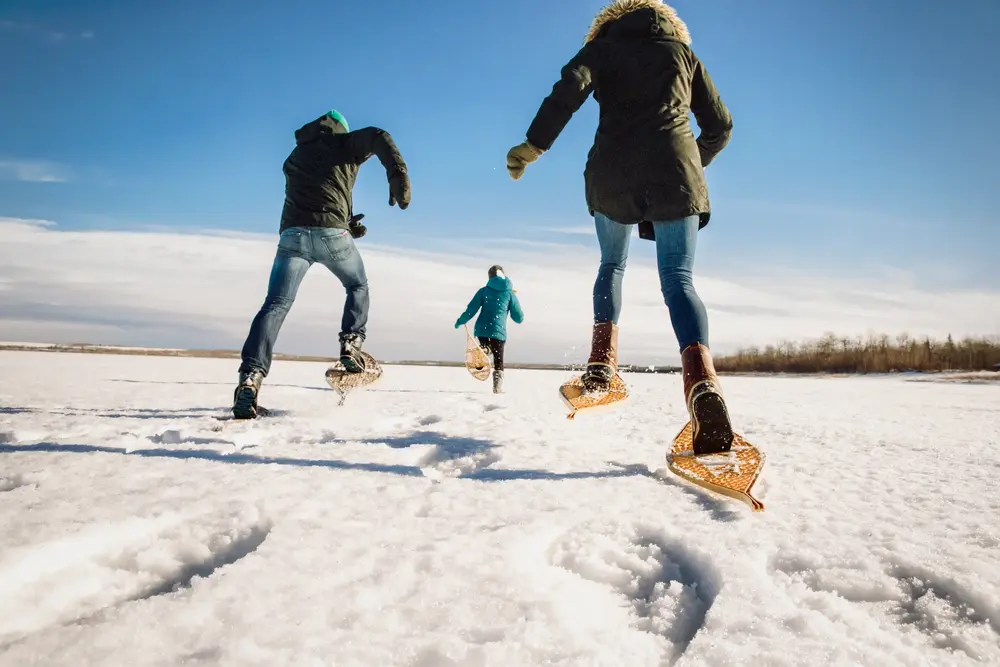
Sunshine Impact on Temperature Perception
I have often noticed that safety in travel and personal comfort greatly depend on how sunshine affects temperature perception during fall and winter. On crisp days, the warmth of sunlight can make outdoor conditions feel safe and inviting, even when air temperatures are low. Without sunshine, the cold feels sharper and more biting, which influences how I plan my activities and dress for safety. Understanding the role of sunshine helps me appreciate how our environment shapes feelings of warmth and security. The connection between sunshine and comfort also ties into broader safety considerations because feeling chilly or uncomfortable outdoors can impact decisions to venture outside or stay indoors. With less daylight and colder weather, knowing how sunshine impacts my sense of temperature helps me maintain both physical comfort and safety during travel or daily routines in these seasons. I have often noticed that on crisp fall and winter days, the presence or absence of sunshine dramatically changes how cold I feel. Sunshine levels in these seasons play a significant role in shaping our temperature perception, influencing whether we feel chilled or comfortably warm despite the actual air temperature. This article explores the connection between sunshine and temperature perception, shedding light on why a sunny winter afternoon feels so different from a grey one.
How Do Sunshine Levels Affect Temperature Perception?
Sunshine affects temperature perception through both physical and psychological mechanisms. The radiant heat from the sun is absorbed by our skin, producing a direct sensation of warmth that raises skin temperature even if the air remains cold. This physical warmth reduces the body’s burden to generate heat internally, enhancing the feeling of comfort and safety outdoors. Psychologically, sunlight stimulates mood-enhancing hormones like serotonin, which can mitigate feelings of chilliness and discomfort. I have observed that sunny winter afternoons often bring a feeling of well-being that cloudy days lack, making outdoor environments feel safer and less daunting. These effects collectively influence how strongly one perceives cold, shaping decisions around appropriate clothing and activity levels, which ultimately relate back to maintaining personal safety in travel and outdoor movement through fall and winter. Sunshine provides radiant heat that our skin absorbs, which increases our sensation of warmth even when the air temperature remains low. Additionally, sunlight impacts mood and comfort, which can alter thermal perception beyond just physical warmth.
What Are Typical Sunshine Patterns in Fall and Winter?
Daylight duration and sun intensity change significantly during fall and winter, affecting how much sunshine we receive. Days grow shorter, with the sun rising later and setting earlier, which limits the window for natural warming. The sun also appears lower in the sky, reducing the angle at which sunlight hits the earth and thereby weakening its intensity. These shifts vary by region; for example, northern areas can experience dramatic decreases in both daylight hours and sunlight strength compared to southern regions. Such regional differences directly impact temperature perception and safety, as people in less sunny zones often feel colder and may take additional precautions for warmth. Recognizing these patterns helps establish safer outdoor travel plans and clothing strategies during colder months. Understanding these seasonal sunshine changes is crucial, much like assessing fall-winter conflict scenarios that also examine regional variations in risk and exposure. Fall and winter bring shorter days and weaker sun angles, reducing overall sunshine exposure. These patterns vary by geography, with northern regions experiencing more significant reductions in sunlight.
Why Do Sunny Winter Days Feel Warmer Than Cloudy Ones?
Sunny winter days feel warmer because direct solar radiation increases the heat absorbed by skin and surfaces. When sunlight reaches exposed skin, the radiant energy turns into heat, creating a sensation of warmth that counters the low air temperature. Surfaces basking in the sun heat up, which slightly raises local air temperature and adds to comfort. Cloudy days block this effect, making the air feel colder even if the thermometer reads the same temperature. For example, I remember a winter hike where the sunny breaks allowed me to enjoy comfortable warmth, whereas shaded areas felt noticeably colder. Such factors are critical for safe travel and outdoor safety, as feeling cold can increase the risk of hypothermia or accidents. This dynamic is similar to how strategic analysis, like in technical war scenario comparisons, evaluates shifting conditions to predict outcomes. On sunny days, direct solar radiation warms exposed skin and surfaces, making the environment feel warmer. Clouds block this radiation, leading to a cooler sensation despite similar air temperatures.
How Do Sunshine Levels Influence Outdoor Activity Choices?
Sunshine influences outdoor activity choices significantly during fall and winter. I personally feel safer and more confident spending time outdoors when the sun is shining, as the warmth makes layers feel sufficient and the environment inviting. Many people share this behavior, choosing sunny days for walks, errands, or social events, which improves overall well-being and reduces risks associated with staying indoors in low light. Outdoor safety also depends on visibility and comfort; sunshine provides both, encouraging safe movement and reducing hazards like slips or navigation errors. Devices like portable personal alarms also enhance safety in travel during shorter daylight hours. This pattern of weather-dependent activity aligns with how decisions about preparedness are made in broader contexts, such as technical insights on fall and winter scenarios, where sunlight serves as one of many environmental factors guiding safe planning. I find myself more willing to spend extended time outside when the sun is shining, as it feels more inviting. This behavior is common since sunshine often dictates comfort levels for outdoor activities during cooler months.
What Role Do Sunshine Levels Play in Home Heating Needs?
Homes with good sun exposure during fall and winter can significantly reduce heating requirements on sunny days. When sunlight enters through windows, it naturally warms indoor spaces, reducing reliance on artificial heating systems and increasing energy efficiency. However, on overcast or cloudy days, the absence of direct sunlight can cause indoor temperatures to drop, increasing heating demands to maintain comfort. I have noticed that rooms facing south absorb more solar heat in colder months, which helps maintain a steady temperature. Proper window placement and materials that allow solar gain can enhance this effect. In addition to improving safety in travel by promoting warm, comfortable home environments, sun exposure plays a critical role in managing heating costs, especially during fall and winter transitions. Thoughtful design that considers sun angles can support sustainable heating practices, reducing energy consumption and improving wintertime indoor safety. Homes with good sun exposure may require less heating during sunny days, as sunlight naturally warms indoor spaces. Conversely, overcast days can increase heating demands.
Can Sunshine Levels Affect Mental Health and Temperature Perception?
Sunshine impacts both mood and how individuals perceive temperature, linking natural light exposure to psychological and physical comfort. Bright sunlight encourages serotonin production, a neurotransmitter that promotes feelings of well-being. When mood improves, people often perceive cold temperatures as less severe or harsh. For example, during winter months, spending time in sunlight can make chilly days feel more bearable and safe, enhancing both mental health and thermal comfort perception. In urban areas like Chicago, I have observed that people tend to enjoy outdoor activities more on sunny but cold days, indicating how sunlight can mentally mitigate discomfort. This interconnected relationship suggests that incorporating sufficient daylight into living and travel plans is vital. Such knowledge also informs safety planning in travel, where sunlight exposure can influence how people manage temperature extremes and emotional wellness during cold seasons. Sunshine promotes serotonin production, which improves mood and can make cold temperatures feel less harsh, indirectly influencing how temperature is perceived.
How Do Seasonal Light Changes Impact Temperature Sensation?
Seasonal light changes have a considerable impact on temperature sensation and overall comfort through fall and winter. The shortened daylight hours reduce natural sunshine exposure, causing environments to feel colder and less welcoming. This shift can affect daily activities and mood, with many experiencing diminished energy or reluctance to go outdoors when light levels drop. I remember how reduced daylight made outdoor areas feel less inviting, even when temperatures remained stable. The cumulative effect combines psychological and physical factors, where less sunlight amplifies the perception of chilliness and discomfort. These changes challenge maintaining indoor environments that feel safe and warm, especially in regions with long winters. Understanding these dynamics helps when organizing safe travel routes or indoor spaces to compensate for diminished natural light and preserve comfort throughout the colder seasons. As daylight shortens through fall and winter, the reduced light can make environments feel colder and less inviting, impacting daily comfort and activity levels.
What Are Effective Ways to Maximize Sunshine Benefits in Cold Seasons?
Maximizing the benefits of sunshine during cold seasons requires deliberate strategies to improve comfort and reduce the sensation of cold. Positioning seating near windows allows people to take advantage of indirect solar warmth during the day. Spending time outside during midday hours, when sunlight is strongest, provides both warmth and mood enhancement. I have found that wearing reflective clothing also aids in absorbing and trapping solar heat, increasing personal comfort during winter outings. These simple measures not only improve personal warmth but also contribute to safety in travel by reducing exposure to cold stress. Incorporating sunlight into daily routines supports better thermal comfort and lowers heating needs indoors. Practical adjustments, such as window treatments that maximize solar gain or outdoor spaces designed to capture sunlight, further enhance these benefits for safety and comfort. Positioning seating near windows, spending midday outside, and wearing reflective clothing can help maximize warmth and comfort from available sunshine.
How Do Different Materials React to Sunshine in Fall and Winter?
Different materials absorb and release solar heat in unique ways, significantly affecting perceived temperature in fall and winter. Darker surfaces like concrete or asphalt absorb more solar radiation, warming quickly and then releasing heat slowly, which increases local warmth. In contrast, wood tends to warm moderately but releases heat faster, while metals reflect sunlight and cool quickly, often feeling colder to touch. I have noticed that urban plazas with dark stone surfaces remain noticeably warmer on sunny winter days, creating safer, more comfortable outdoor environments. Understanding these thermal properties helps in designing spaces and choosing materials that promote warmth, directly impacting safety and comfort levels. This knowledge also guides architects and planners in enhancing the outdoors for safe travel and reducing cold exposure risks during the colder seasons. Surfaces absorb solar radiation differently; darker materials heat up more and can increase local warmth, enhancing perceived comfort outdoors.
Does Sunshine Level Affect Children and Elderly Temperature Perception Differently?
Age significantly influences thermal sensation, especially during colder months when sunshine plays a crucial role in comfort and safety. Elderly adults often experience reduced sensitivity to temperature changes due to diminished nerve function and slower circulation, making them more vulnerable to cold. Similarly, young children have underdeveloped temperature regulation systems, leaving them prone to rapid heat loss. In these groups, exposure to direct sunshine can provide vital warmth that helps maintain body temperature and prevent hypothermia. For instance, during winter, caregivers often encourage seniors and children to spend time in sunlit areas to enhance warmth naturally. Recognizing these differences is essential for ensuring appropriate safety measures, such as regulating outdoor exposure time and providing suitable clothing. Understanding how sunshine affects comfort levels in these age groups helps reduce risks and improves overall wellbeing in colder seasons. Elderly and young children often have altered temperature regulation, so sunshine can significantly impact their comfort and safety during cold seasons.
How Do Sunshine Levels Interact with Wind Chill Effect?
The interaction between sunshine levels and wind chill can greatly alter how cold outdoor environments feel. Wind increases the rate of heat loss from the body by carrying away the thin layer of warm air near the skin. This effect reduces the warming benefits of sunshine, causing sunny but windy days to still feel chilly or even dangerously cold. For example, a clear winter afternoon with strong gusts may require wearing wind-resistant clothing despite bright sunlight. When planning outdoor activities, factoring in both sunshine and wind conditions helps maintain safety in travel and prevents underestimating the cold. I have found that checking comprehensive weather data, including both temperature and wind chill, provides a better gauge of true outdoor comfort levels. Wind can negate some of the warming effects of sunshine by increasing heat loss from the body, so sunny but windy days may still feel cold.
What Technologies Help Monitor Sunshine and Temperature Perception?
Modern technology offers excellent tools to monitor sunshine exposure and temperature perception, aiding comfort and safety management. Personal weather stations provide real-time data on sunlight, temperature, humidity, and wind, allowing customized outdoor planning. Smartphone apps use built-in sensors and GPS to track sunlight levels and indoor versus outdoor temperatures, which help adjust clothing or activity timing. One effective example is the Netatmo Weather Station, which assists users in optimizing heating and lighting based on natural light availability. These devices improve safety by alerting users to changing weather that might impact temperature perception, thereby preventing cold-related issues during travel or daily routines. Integrating such technologies supports more informed decisions about when and how to safely spend time outdoors. Personal weather stations and smartphone apps can track sunshine and temperature trends to help plan activities and manage comfort.
How Do Sunshine Levels Influence Energy Conservation During Cold Seasons?
Utilizing natural sunlight efficiently during cold seasons can lead to substantial energy savings and enhanced environmental sustainability. Sunlight entering south-facing windows provides passive heating that reduces the need for artificial heating systems. Similarly, relying on daylight for illumination lessens electricity consumption from lighting fixtures. Buildings designed with large windows and thermal mass materials, like concrete or brick, can store this solar heat and release it during colder periods. This approach not only cuts heating bills but also creates a more comfortable indoor environment. For example, many homeowners report significant energy reductions by combining strategic shading with maximal sunlight capture. Leveraging this natural resource directly supports a safer and more economical living space during winter months, benefiting families concerned about both safety and budget. Utilizing natural sunlight for warmth and illumination can lower energy costs and reduce reliance on artificial heating and lighting.
Can Sunshine Levels Affect Clothing Choices in Fall and Winter?
I often find that adjusting clothing layers according to sunshine levels greatly improves comfort and safety during fall and winter. On bright, sunny days, the warmth from direct sunlight usually allows me to wear lighter layers even if the air temperature is low. In contrast, overcast or cloudy conditions require additional insulation as the absence of sunshine lowers perceived temperature. This simple adaptation helps me avoid both overheating and excessive cold exposure. Many people underestimate how sunshine influences temperature perception, which can lead to choosing inappropriate clothing and risking chill-related illnesses. Understanding how to interpret sunshine alongside actual temperatures makes travel safer and more comfortable, especially when combined with knowledge from AI healthcare trends families should know in 2024 on managing wellness during cold seasons. I adjust my clothing depending on how sunny it is; brighter days often mean fewer layers, while overcast days require more insulation.
How Do Sunshine Levels Impact Travel Safety and Experience in Cold Seasons?
Sunshine improves visibility and road safety, while also making travel more comfortable by reducing cold exposure.
What Are Personal Strategies to Enhance Sunshine Benefits While Traveling?
Carrying portable sunshades or strategically selecting sunny rest stops can significantly improve warmth and security during cold-weather travel. Portable devices such as lightweight sun umbrellas or reflective panels help capture and maximize sunlight exposure, allowing travelers to benefit from radiant heat even in chilly conditions. Additionally, positioning devices or seating areas to face the sun increases comfort and reduces exposure to wind chill. These tactics also contribute to safety in travel by minimizing time spent in exposed, colder areas. For instance, hikers often use compact sunshades along trails to create warm, secure spots for breaks, enhancing their overall travel experience. Employing such portable solutions ensures travelers can maintain warmth and stay alert, which is crucial for remaining safe during extended trips in fall or winter seasons. Carrying portable sunshades or choosing sunny rest stops can increase warmth and security during cold-weather travel.
How Can Sunshine Level Awareness Improve Overall Wellbeing in Fall and Winter?
Monitoring sunshine levels throughout fall and winter enables better planning of outdoor activities, which boosts overall wellbeing. Awareness of available daylight helps determine the best times for exercise, work, or relaxation outside, directly impacting mood and energy levels. Limited sunshine often leads to fatigue and lower motivation, so scheduling key activities during peak sunlight hours can maximize health benefits. For example, wellness experts recommend taking walks during midday when sunlight is strongest to improve vitamin D synthesis and elevate spirits. Careful planning around sunshine availability also supports safe behavior by avoiding travel or exertion in low-light or cold conditions. This mindfulness creates a balance between staying active and maintaining comfort as daylight decreases during colder months. Being mindful of sunshine availability helps optimize outdoor time, mood, and energy management, enhancing wellbeing during darker months.
Are There Regional Differences in Sunshine Effects on Temperature Perception?
Sunshine impacts temperature perception differently depending on geographic location and climate. Regions near the equator experience less fluctuation in warmth sensation caused by sunlight due to consistently higher ambient temperatures. Conversely, higher latitudes encounter more noticeable changes; direct sunlight can dramatically increase comfort despite low air temperatures. For example, residents in northern European countries often report feeling significantly warmer on sunny winter days, even when the thermometer reads below freezing. This regional variation influences how people dress and plan daily routines to maintain safety and comfort. Understanding these differences enhances preparedness for weather conditions and informs choices related to outdoor activity and travel security in varied climates. Regions closer to the equator experience milder effects, while higher latitudes notice more dramatic changes in warmth sensation from sunshine.
How Can Technology Be Used to Improve Security Systems During Travel-Related Sunshine Variations?
Technology plays a vital role in enhancing security systems amid travel-related sunshine variations. Portable security devices such as motion-activated lights and solar-powered cameras ensure continuous safety regardless of daylight or darkness. These tools allow travelers to monitor surroundings, deter potential threats, and improve situational awareness while on the move. For instance, solar-powered security cameras equipped with night vision have become essential for campers and remote workers, enabling reliable surveillance without access to electrical supply. Such devices contribute to maintaining safety in travel by adapting to changing light conditions and minimizing blind spots. Their portability and ease of use make them practical solutions for anyone seeking to stay protected in unfamiliar environments. Portable security systems such as motion-activated lights and solar-powered cameras help maintain safety and awareness regardless of daylight levels during travel.
Key Takeaways
- Sunshine levels directly influence how warm or cold we feel during fall and winter.
- Radiant heat from sunlight increases thermal comfort even in low air temperatures.
- Shorter daylight hours reduce overall warmth perception in colder seasons.
- Sunshine improves mood, indirectly affecting temperature sensation.
- Outdoor activity and clothing choices are often driven by sunshine availability.
- Sunlight exposure can lower home heating needs and energy consumption.
- Portable security and comfort devices enhance safety and warmth during travel.
Conclusion
Recognizing how sunshine levels influence temperature perception is essential for improving comfort and safety during colder seasons. Being aware of sunlight availability allows individuals to adapt clothing choices, plan outdoor activities effectively, and utilize portable comfort and security devices. For example, incorporating solar-powered gadgets enhances protection and well-being when traveling through areas with fluctuating daylight. This awareness reduces risks associated with cold exposure and limited visibility, supporting overall safety. By combining environmental insights with technology, travelers can maintain warmth, boost mood, and secure their surroundings, ultimately improving wellbeing throughout fall and winter. Such strategies demonstrate how thoughtful preparation governs a safer and more comfortable experience during challenging seasons, as highlighted in assessments of emergency preparedness in fall and winter. Understanding how sunshine levels affect our perception of temperature is essential for managing comfort in fall and winter. By recognizing these effects, we can better plan activities, adjust clothing, and use technology to enhance safety and wellbeing during colder months.