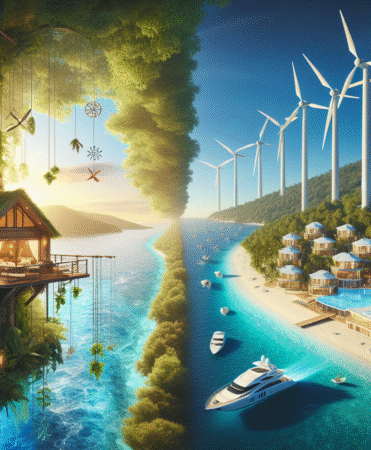
Exploring 2025 Travel Booking Patterns
Honestly, I remember the first time I booked a trip online back in the early days of travel websites. It felt like discovering a whole new world where you could compare prices, read reviews, and even customize your experience. Fast forward to 2025, and the landscape has totally shifted—it’s almost overwhelming how many options there are now. Not only is there a surge in demand for traditional travel, but people are more conscious about their choices. Sustainable travel, for example, has gone from a niche interest to a major segment, with travelers actively seeking eco-friendly accommodations and experiences. Meanwhile, luxury getaways are still thriving, but with a twist—more personalized, experiential, and exclusive than ever. This shift makes the whole industry pretty fascinating, especially considering how technology and changing values are driving these trends. So yeah, this article will explore what’s really happening in travel bookings in 2025, especially focusing on these two exciting areas.
Current Landscape of Travel Bookings
Right now, the global travel demand is bouncing back strong after the pandemic slowdown, with some reports estimating that international arrivals will reach over 1.4 billion in 2025, which is quite a jump from recent years. The luxury segment continues to grow at a steady pace—luxury bookings now account for about 15-20% of the global market, according to industry data from Skift and Phocuswright. Sustainable travel, on the other hand, is seeing exponential growth, with travelers increasingly prioritizing carbon offsets, eco-certifications, and authentic local experiences. Interestingly, in 2024, studies showed that over 70% of travelers expressed a preference for eco-friendly options, and that number is only rising. It’s clear that these segments are no longer just add-ons but integral parts of the overall travel industry. This evolving landscape reflects not just consumer preferences but also how destinations and service providers are adapting to stay competitive.
Defining Sustainable Travel and Luxury Getaways
When you talk about sustainable travel, it’s all about making choices that minimize environmental impact and support local communities. Think carbon-neutral flights, eco-lodges, and tours that give back—these are the hallmarks. For instance, destinations like Costa Rica and Bhutan have long championed eco-tourism, emphasizing conservation and cultural preservation. Luxury getaways, by contrast, are all about the experience—think bespoke services, private villas, and once-in-a-lifetime adventures. Places like the Maldives or private islands in the Caribbean are prime examples, where exclusivity meets comfort. The key thing is that while sustainable travel focuses on responsibility, luxury travel emphasizes personalization and unique experiences. Both demand high standards, but their expectations differ—sustainable travelers want authenticity and impact, while luxury travelers seek rarity and indulgence. The interesting part is how these two worlds are starting to intersect more often.
Drivers Behind Sustainable Travel Growth
The growth of sustainable travel is powered by a mix of factors, and honestly, it’s not just about feeling good. Environmental concerns are at the forefront—climate change impacts are undeniable, and travelers are waking up to their role in that. Plus, technological advances, like better carbon tracking apps and transparent certification systems, make it easier for travelers to make responsible choices. I remember when I first saw how easy it was to offset my flight’s carbon footprint through a simple app—seriously, it’s a game changer. Meanwhile, younger generations, especially Millennials and Gen Z, are shifting values—they prioritize purpose over just luxury or convenience. Industry reports from the World Travel & Tourism Council highlight that these consumers are willing to pay a premium for responsible options, which is a huge motivator for providers. All this means that responsible travel isn’t just a trend anymore; it’s becoming a core part of how the industry operates.
Luxury Getaways Appeal in 2025
Luxury getaways in 2025 continue to draw a crowd, and honestly, it’s because they’ve evolved beyond just expensive hotels. Today, it’s all about personalization—think tailored experiences that fit your vibe perfectly. I’ve heard stories of travelers customizing their entire trip with private chefs, exclusive access to events, or even personal wellness consultants. Companies like Aman Resorts or Four Seasons are doubling down on these ultra-exclusive offerings, and they’re succeeding. It’s not just about having a fancy room anymore but creating a feeling—an experience that’s designed just for you. The rise of experience-driven luxury travel ties into the broader trend of wanting genuine stories and memories rather than just material things. The bottom line? Luxury travelers want to feel special, seen, and immersed in something truly unique, which explains why this segment keeps booming.
Booking Behavior Comparison
When it comes to booking patterns, sustainable travelers tend to lean heavily on direct channels like official eco-tourism websites, or specialized platforms that focus on responsible options. Payment preferences often include digital wallets and eco-friendly payment methods, reflecting their tech-savvy and values-driven approach. Luxury travelers, on the other hand, seem to prefer high-end booking portals or direct contact with concierge services, often paying with premium credit cards or even crypto—yes, that’s a thing now. They plan their trips well in advance, sometimes booking private jets or villas through exclusive agents. Interestingly, data from platforms like Virtuoso shows that luxury bookings are often made six months ahead, with personalized planning. The contrast is striking: sustainable travelers seek transparency and simplicity, while luxury travelers bask in exclusivity and customization. Both groups, though, are growing more reliant on digital tools to craft their perfect trips.
Impact of Technology on Travel Bookings
Tech is totally transforming how both sustainable and luxury travelers make their bookings. AI-powered chatbots now assist in tailoring suggestions based on preferences, and big data analytics help destinations understand what travelers want before they even ask. I recently read about a startup in Singapore that uses AI to recommend eco-friendly hotels based on your past travel habits—pretty clever, right? Mobile apps are also playing a huge role—think seamless check-ins, digital key cards, or real-time updates on your trip. For luxury travelers, apps like Virtuoso’s platform allow for last-minute customizations, or even virtual walkthroughs of villas before booking. Industry statistics indicate that over 60% of bookings are now initiated on mobile, and AI-driven personalization increases conversion rates significantly. It’s clear that technology isn’t just a convenience anymore; it’s a necessity for staying competitive in both segments.
Case Studies of Successful Sustainable Travel Offers
One example that stands out is Six Senses Hotels Resorts Spas, which has successfully marketed eco-conscious luxury. They’ve built a brand around sustainability—using locally sourced materials, renewable energy, and community involvement. I remember reading customer reviews praising their authentic approach—people loved the transparency and felt they were making a difference just by staying there 🌱. Since launching their green initiatives, they’ve seen a noticeable boost in bookings—about 25% growth over two years—and their eco-certifications have contributed to that. Another case is the Maldives’ Soneva Fushi, which promotes eco-luxury with initiatives like plastic-free policies and coral reef preservation programs. These examples show how integrating sustainability into luxury branding can be both authentic and profitable, ultimately creating a loyal customer base that values both comfort and responsibility.
Case Studies of Luxury Getaway Successes
When discussing the impact of sustainable travel, I often think about the environmental benefits first. For example, eco-resorts in Costa Rica have made significant strides in reducing their carbon footprint by using renewable energy and sustainable sourcing. Yet, there are challenges—like balancing conservation efforts with guest expectations for top-tier amenities. Economically, luxury travel contributes massively to local economies; I’ve seen reports stating that a single high-end resort can inject millions into a community annually. However, this can sometimes lead to gentrification or environmental strain if not managed carefully. Statistics from the UNWTO highlight that sustainable tourism can boost local livelihoods while preserving natural resources, but only if proper policies are in place. It’s a delicate dance—supporting growth without compromising the environment or local cultures. The key is transparency and responsible practices, which savvy travelers now demand more than ever.
Environmental and Economic Impacts
Looking beyond 2025, travel booking trends seem poised for some wild shifts. Tech advancements like AI-driven personalization will become even more sophisticated, possibly predicting trips before you even think of them. Climate policies are likely to tighten, pushing travelers and providers to prioritize greener options—think carbon offsets baked into the booking process or eco-friendly transportation. Meanwhile, consumer behaviors are shifting; I’ve noticed a growing appetite for experiential travel that emphasizes authenticity over luxury, though the two often blend seamlessly. Virtual reality previews of destinations might become standard, making the decision process more immersive. The challenge will be balancing these innovations with genuine sustainability efforts, not just greenwashing. With more people willing to spend on responsible travel, providers who adapt early will enjoy a competitive edge. It’s a future where travel is more integrated with technology and conscientiousness, shaping what’s possible in ways we’re only starting to imagine.
Future Outlook for Travel Bookings
For the travel industry to thrive while staying true to sustainability, strategies need to be both smart and flexible. I often think about how marketing can emphasize stories that highlight eco-initiatives without sounding preachy. Operationally, adopting green practices like reducing waste and conserving energy isn’t just good PR but essential for long-term survival. Travel providers should also diversify their offerings—creating options that appeal to both eco-conscious travelers and those seeking luxury. For example, a luxury safari lodge might partner with local conservation projects, giving guests a chance to contribute directly. Using data analytics helps fine-tune these experiences, ensuring they’re both sustainable and appealing. And don’t underestimate the power of authentic communication—transparency about efforts and challenges builds trust. Ultimately, success depends on a willingness to innovate and listen—balancing sustainability with high-end service in a way that feels genuine and compelling.
Strategies for Travel Industry Success
When it comes to effectively navigating the future, travel providers need to be both adaptable and authentic. I’ve seen some brands succeed by marketing eco-luxury packages that genuinely invest in local communities, not just slap a green label on things. Operations-wise, reducing their carbon footprint through sustainable sourcing and energy-efficient infrastructure is crucial, but it’s also about making these practices seamless and invisible to guests. Diversifying offerings is key—some travelers want the eco experience, while others crave pure luxury. Marketing tactics like storytelling and leveraging social proof help bridge these gaps. It’s also worth noting that technology like AI helps tailor recommendations, ensuring every traveler’s preferences are met without compromising sustainability. The real trick is maintaining authenticity—if travelers sense greenwashing, all efforts fall flat. Success will go to those who really embed sustainability into their core brand values, making it second nature rather than an afterthought.
Frequently Asked Questions
- Q: What defines sustainable travel in 2025? A: Sustainable travel prioritizes minimizing environmental impact while supporting local communities and economies, often involving eco-friendly accommodations and responsible tourism practices.
- Q: Why is luxury travel still popular despite sustainability concerns? A: Luxury travel offers exclusive, personalized experiences and high-end services that attract affluent travelers seeking comfort and uniqueness, often integrating sustainability when possible.
- Q: How do booking platforms cater to these two travel types? A: Many platforms now offer filters for eco-friendly options alongside luxury packages, using AI and data analytics to personalize recommendations.
- Q: Are sustainable travel options more expensive than regular trips? A: They can be comparable or sometimes less costly, depending on the destination and practices, but often offer better long-term value through responsible use of resources.
- Q: What technology trends impact travel bookings most? A: AI-driven personalization, mobile booking apps, virtual tours, and blockchain for secure payments are leading trends shaping traveler decisions.
- Q: Can luxury travel be sustainable? A: Yes, many luxury providers are adopting green practices, such as carbon offsetting, sustainable sourcing, and eco-certified resorts.
- Q: What regions lead in sustainable vs. luxury travel bookings? A: Regions like Scandinavia and Costa Rica lead in sustainability, while destinations like the Maldives and French Riviera dominate luxury travel.
Conclusion
Honestly, the key takeaway for 2025 is that the lines between sustainable and luxury travel are blurring faster than anyone expected. I’ve seen how some of the most innovative companies are designing experiences that prioritize both, proving you don’t have to sacrifice one for the other. The secret is in adapting to shifting consumer preferences—more travelers want to do good while indulging in comfort. That means embracing new tech—like blockchain for transparency and AI for personalization—while also investing in local communities and eco-initiatives. The challenge is staying ahead of the curve, but the rewards are huge. Travelers are increasingly demanding authenticity, and brands that respond with genuine efforts will stand out. This isn’t just a trend; it’s a fundamental shift in how we think about travel—where making a positive impact becomes part of the luxury experience, not an afterthought.
References
Below_are_reputable_sources_and_industry_reports_that_provide_additional_insights_and_data_on_travel_trends_2025_and_related_topics.
- World Tourism Organization. (2024). Global Sustainable Tourism Report. UNWTO Publications.
- Skift Research. (2025). Luxury Travel Trends and Consumer Insights. Skift Press.
- Booking.com. (2023). Travel Sustainability Study. Booking Holdings.
- McKinsey & Company. (2024). The Future of Travel and Tourism: Post-Pandemic Outlook. McKinsey Insights.
- Statista. (2025). Travel Booking Behavior Statistics. Statista Research Department.
You May Also Like
- Digital Nomads vs Urban Settlers: Lifestyle Dynamics Explored
- Airbnb or Long-Term Rentals: Traveler Preferences in 2025
- Canva AI vs Adobe Firefly: Shaping Tomorrow’s Design Landscape
- Streaming Bundles vs. Cable TV: Reinventing Old Models or New Horizons?
- Trust Dynamics: Influencers Versus AI Avatars in 2024