Gear for Winter Adventures: Snowshoes or Crampons?
Introduction: Why Choosing the Right Winter Gear Matters
Honestly, picking the right gear for winter adventures can feel overwhelming at first. I remember when I first tried snowshoeing in Colorado, I was so excited but quickly realized I brought the wrong equipment. Snowshoes and crampons serve very different purposes, and choosing between them isn’t just about preference—it’s about safety and fun. Snowshoes are perfect for deep powdery snow and flat terrains, making your hike feel like walking on clouds. Meanwhile, crampons are your go-to for icy slopes and steep climbs where grip is everything. I’ve seen people get into trouble because they didn’t switch gear when terrain changed. So, understanding what each one does and when to use them can make or break your trip. Trust me, knowing the right gear can turn a tough day into one of your best winter memories.
Understanding Snowshoes: What They Are and How They Work
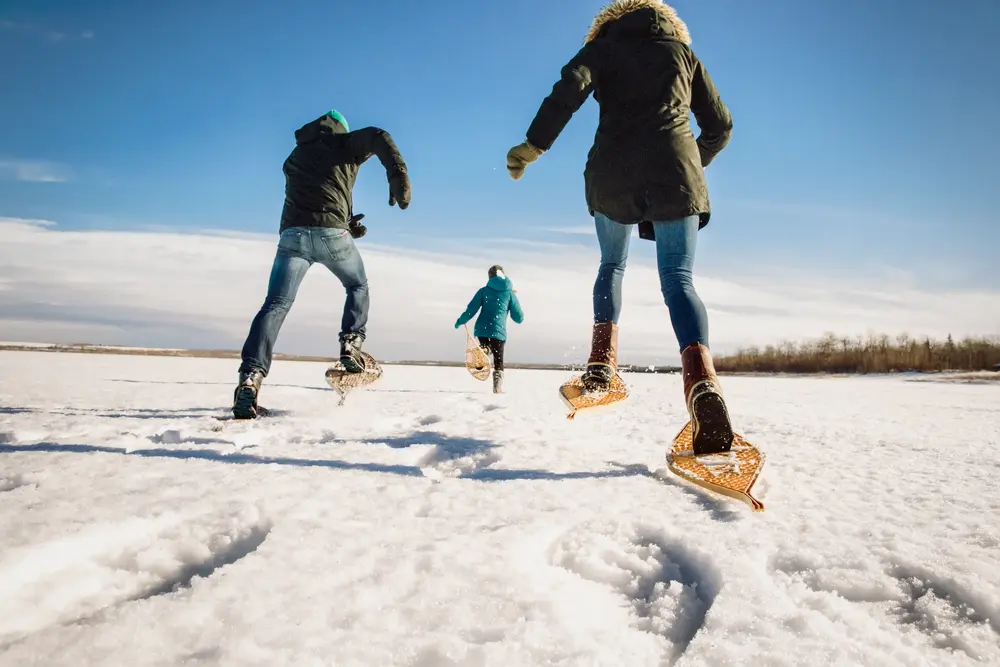
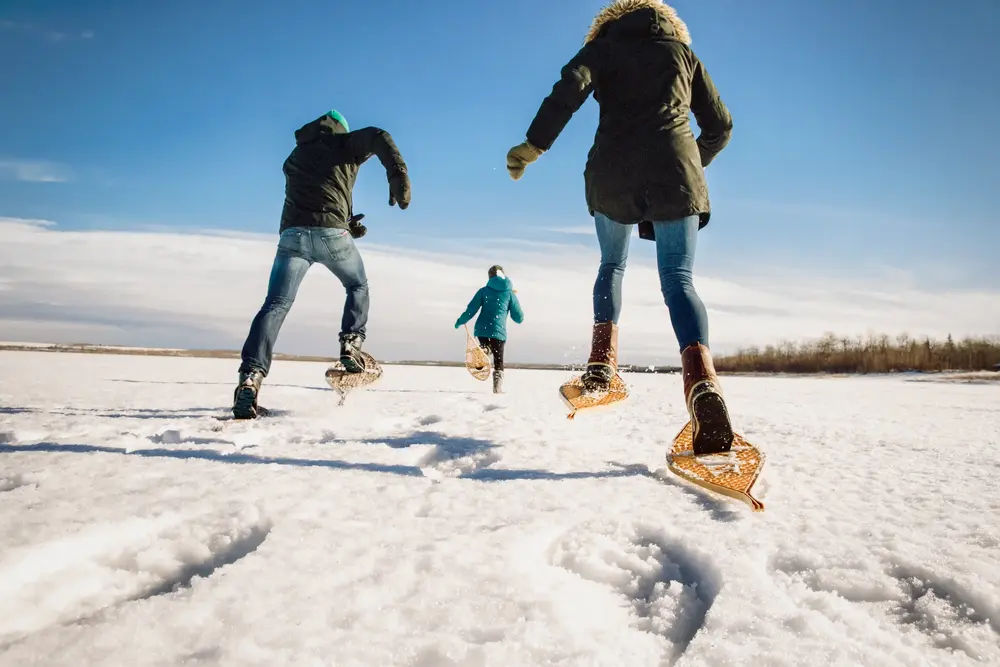
Understanding snowshoes is pretty straightforward. They’re these big, basket-like devices that attach to your boots, increasing surface area so you don’t sink into the snow. Think of it like trying to walk on marshmallow fluff versus a regular floor. If you’re heading into soft, deep snow, snowshoes distribute your weight, making movement easier. There are different types, like traditional wooden ones or modern aluminum frames, but the main idea stays the same. I remember last winter when I borrowed a pair for a winter hike in Vermont—those things were a game changer for the snow-covered trails. Snowshoes really shine on flat or gently rolling terrain, where you want to cover a lot of ground without sinking. They’re perfect for snowshoeing trips, winter camping, or just exploring snowy parks without breaking a sweat.
Exploring Crampons: Ice Traction Experts
Crampons are a different beast entirely. They’re these sharp metal spikes that attach directly to your boots, giving you traction on ice and hard snow. I’ve used crampons while climbing icy peaks in the Alps, and let me tell you, it’s a totally different experience. You clip them onto your boots with straps or compatible soles, and suddenly, the slipperiness of the ice becomes manageable. Their design features include pointed spikes for grip and sometimes additional anti-slip features. If you’re hiking or scrambling on icy trails or steep slopes, crampons are an absolute must. I’ve seen folks slip and fall because they tried to walk on icy patches without them—trust me, it’s not worth the risk. Crampons are essential for winter mountaineering, glacier walking, or any adventure where ice is involved.
Comparing Traction and Stability on Different Surfaces
Comparing snowshoes and crampons on different surfaces is pretty eye-opening. Snowshoes excel in powder snow and softer terrains because they keep you on top without sinking too deep. But once you hit firm snow or ice, they start to lose their edge. That’s when crampons become your best friend—they grip the icy patches like crazy, preventing slips and falls. I remember a trip in the Tetons where I started with snowshoes on the fluffy snow but had to switch to crampons when we hit the icy ridge. It’s all about terrain transition—knowing when to switch gear can save you from a nasty fall or exhaustion. If you’re exploring rocky ground or slick ice, crampons are irreplaceable, but for open, soft snow, snowshoes make life way easier. Planning your gear based on terrain can make your adventure much smoother.
Weight and Portability Factors
Weight and portability are often overlooked but hugely important factors. Snowshoes tend to be bulkier and heavier, especially traditional models, so packing them can be a hassle if you’re heading on a multi-day trip. I once tried to pack a pair in my backpack for a winter camping weekend, and let’s just say it wasn’t glamorous. Crampons, on the other hand, are much lighter and compact—easy to slip into your backpack or attach to your gear. So, if you’re planning a long trek or traveling light, crampons might be the smarter choice. Think about how much gear you want to carry and how it affects your mobility. Also, consider your trip length—if you’re out for just a day, the size difference may not matter, but for longer expeditions, every ounce counts.
Ease of Use and Fitting Considerations
Ease of use and fitting can really make or break your day on the trail. Snowshoes are generally simple to put on, especially the modern ones with quick straps and adjustable bindings. I remember struggling with my first pair, but after a few tries, I could get them on in under a minute—big relief! Crampons can be a bit trickier—they require precise fitting and sometimes need adjustments in the field, which can be a hassle if you’re not familiar with them. Boot compatibility is another issue; some crampons only work with certain types of boots. I recommend practicing at home before your trip, so you’re not fumbling in the cold. The key is to ensure a snug fit—loose crampons can slip off, and loose snowshoes can cause blisters. It’s worth taking the extra time to get this right.
Ideal Conditions for Snowshoes
Ideal conditions for snowshoes are pretty specific. They’re best in deep, soft snow, especially in flat or gently rolling terrains. Last winter, I went snowshoeing in Yellowstone—those trails are perfect for the gear because the snow is fluffy and unbroken. Snowshoes let you glide over the snow without sinking, which makes a huge difference when exploring winter wonderlands. They’re also great for winter hiking, snow trekking, or even snowshoeing races. If you want to enjoy the snow without constantly fighting to stay on top, snowshoes are your best bet. Plus, they work well in snowy forests and open fields where the snow isn’t packed or icy. So, if your trip involves lots of powder, deep snow, or gentle slopes, snowshoes will be your new best friend.
Ideal Conditions for Crampons
Crampons are essential when conditions turn icy or steep. They’re your best protection on steep mountain slopes, icy ridges, or mixed terrain. I remember climbing in the Dolomites last year, and crampons saved me from a dangerous slip on a slick patch. They’re also perfect for glacier walking or mountaineering, where ice and snow combine unpredictably. When the terrain gets steep and the risk of slipping rises, crampons are a must-have. They give you the confidence to traverse icy surfaces safely, especially when combined with an ice axe. If you’re planning any sort of serious winter climb or hike on icy trails, don’t even think about going without crampons. They’re the difference between a thrilling adventure and a serious accident—and honestly, I feel more secure knowing I have them in my pack when things get icy.
Safety Tips for Each Gear Type
Talking about crampons, I’ve had my fair share of mishaps trying to get them on, especially during winter trips up in the Pacific Northwest. They’re a bit tricky at first—those tiny metal spikes can be a pain to fit securely, and if they’re too loose, you’re risking slipping on icy patches. The good news is that with a little practice, putting on crampons becomes second nature. The key is to have the right boots—stiff-soled, compatible ones—and to double-check that the straps or clips are tight before you start walking. Maintenance is pretty straightforward; after each use, I always brush off any dirt or snow and store them in a dry spot to prevent rust. Honestly, I’ve learned that well-maintained crampons last longer and work better, making a huge difference when you’re tackling steep, icy trails. And, oh, don’t forget to carry a small tool to tighten them if needed—it’s a game-changer for safety.
Budget and Maintenance Considerations
When it comes to budget, I’ve found snowshoes can range quite a bit—some decent models cost around $100, while high-end ones can push past $300. What you get for your money? Well, cheaper ones are usually bulkier and maybe less durable, but they do the job in soft snow. On the other hand, pricier models tend to be lighter and more comfortable, especially if you plan to hike a lot. Crampons are a bit trickier; you can find decent pairs for around $50 to $150. The real expense comes with the boots—sturdy, crampon-compatible boots can be a few hundred bucks, but they’re worth it if you’re serious about winter adventures. As for maintenance, I always rinse off my snowshoes and crampons after each trip and store them in a dry, cool place. This simple habit keeps my gear in good shape for years. Honestly, investing in quality gear might seem costly initially, but it pays off in safety and durability over time.
Making Your Choice: Which One Should You Pick?
Deciding between snowshoes and crampons depends a lot on what kind of terrain you’ll face. If you’re planning to hike in deep, soft snow on flatter trails, snowshoes are your best bet—they’ll keep you afloat and make walking way easier. But if you’re heading onto icy, steep, or packed snow paths, crampons are essential for grip and safety. I used to believe snowshoes could handle everything, but last winter I learned that trying to hike icy slopes with just snowshoes was a disaster waiting to happen. So honestly, think about where you’re going. If your trails are mixed—some soft snow, some icy patches—you might want to carry both, just in case. It’s not a bad idea to get familiar with switching between them; I once had to swap gear mid-hike, and it was a bit of a mess, but worth it for the safety. The key is matching your gear to the activity and terrain to avoid slipping or exhausting yourself.
Combining Both Gears for Ultimate Versatility
There are definitely times when carrying both snowshoes and crampons makes sense, especially on mixed terrain. I remember a trip where I started on a snow-covered trail that was soft and forgiving, so snowshoes felt perfect. But then I hit a steep icy incline, and bam—I realized my snowshoes were useless on that slick surface. That’s when I had to switch to crampons, and I was so glad I brought them along. Managing both sets of gear means keeping them accessible—maybe in separate compartments or quick-to-reach spots in your pack. Practice switching between them before your trip so it’s not a scramble when conditions change. Sometimes, I just carry a lightweight pair of crampons in my pocket or attach a small tool to my pack for quick adjustments. That way, I stay safe on icy patches without overloading myself on easier trails. It’s all about being prepared for whatever winter throws your way.
Frequently Asked Questions
- Q: Can I use snowshoes on ice? A: Snowshoes are not designed for ice; crampons provide better grip on icy surfaces.
- Q: Are crampons difficult to put on? A: They can be tricky at first, but with practice, they become easier to fit securely.
- Q: Do snowshoes work on packed snow? A: Yes, but they perform best in deep, soft snow rather than hard-packed trails.
- Q: Can I rent crampons or snowshoes? A: Many outdoor shops offer rentals, which is great if you’re trying them out first.
- Q: What boots should I use with crampons? A: Stiff-soled, compatible boots designed for crampon use work best for safety and comfort.
- Q: How do I maintain snowshoes? A: Regularly check bindings, clean after use, and store them in a dry place to extend their life.
- Q: Can I use crampons for casual winter hikes? A: Only if the trails are icy or steep; otherwise, they might be overkill.
Conclusion: Find the Right Fit for Your Winter Adventures
In the end, choosing the right gear boils down to matching your activity and terrain. Snowshoes are fantastic for deep snow and gentle terrain, giving you that effortless float and making long hikes manageable. But when the trail gets icy or steep, crampons become your best friend—they provide grip and stability you simply can’t get without them. Honestly, I used to think I could get by with just one or the other, but experience taught me that versatility is key. Budget-wise, gear can range from affordable to premium, but don’t skimp on quality if safety matters. Regular maintenance, like cleaning and proper storage, can extend your gear’s life, saving you money in the long run. So, trust your instincts, assess your typical trails, and don’t hesitate to carry both if needed. The more prepared you are, the more you’ll enjoy winter adventures without fear of slipping or getting stuck. Just remember—matching your gear to conditions makes all the difference, and the outdoors will thank you for it.
References
Here are some trusted sources and expert guides for further reading on winter gear and outdoor safety:
- Outdoor Gear Lab. (2023). Best Snowshoes Reviewed. Retrieved from https://www.outdoorgearlab.com
- American Alpine Institute. (2022). How to Use Crampons. Retrieved from https://www.alpineinstitute.com
- REI Co-op Journal. (2024). Winter Hiking Essentials. Retrieved from https://www.rei.com/blog
- National Park Service. (2023). Winter Safety Tips. Retrieved from https://www.nps.gov
You May Also Like
- Digital Reads or Paper Pages: What Do Readers Choose?
- Evaluating Skill Development: Self-Learning Versus Formal Training
- Evaluating Daily Commutes: Public Transit or Personal Driving?
- Chronotype Insights: Assessing Night Owl and Early Bird Strengths
- WordPress vs Webflow: Which Offers More Website Control?
Key Takeaways
- Snowshoes are best for deep, soft snow and flat to rolling terrain.
- Crampons provide essential traction on ice and steep, hard-packed snow.
- Weight and ease of use vary; snowshoes are bulkier but easier to walk in on snow.
- Proper boot compatibility is crucial for crampons to work safely.
- Many situations call for carrying both snowshoes and crampons for versatility.
- Maintenance and budget considerations help prolong gear life and match your needs.
- Choosing the right gear improves safety, comfort, and enjoyment on winter adventures.