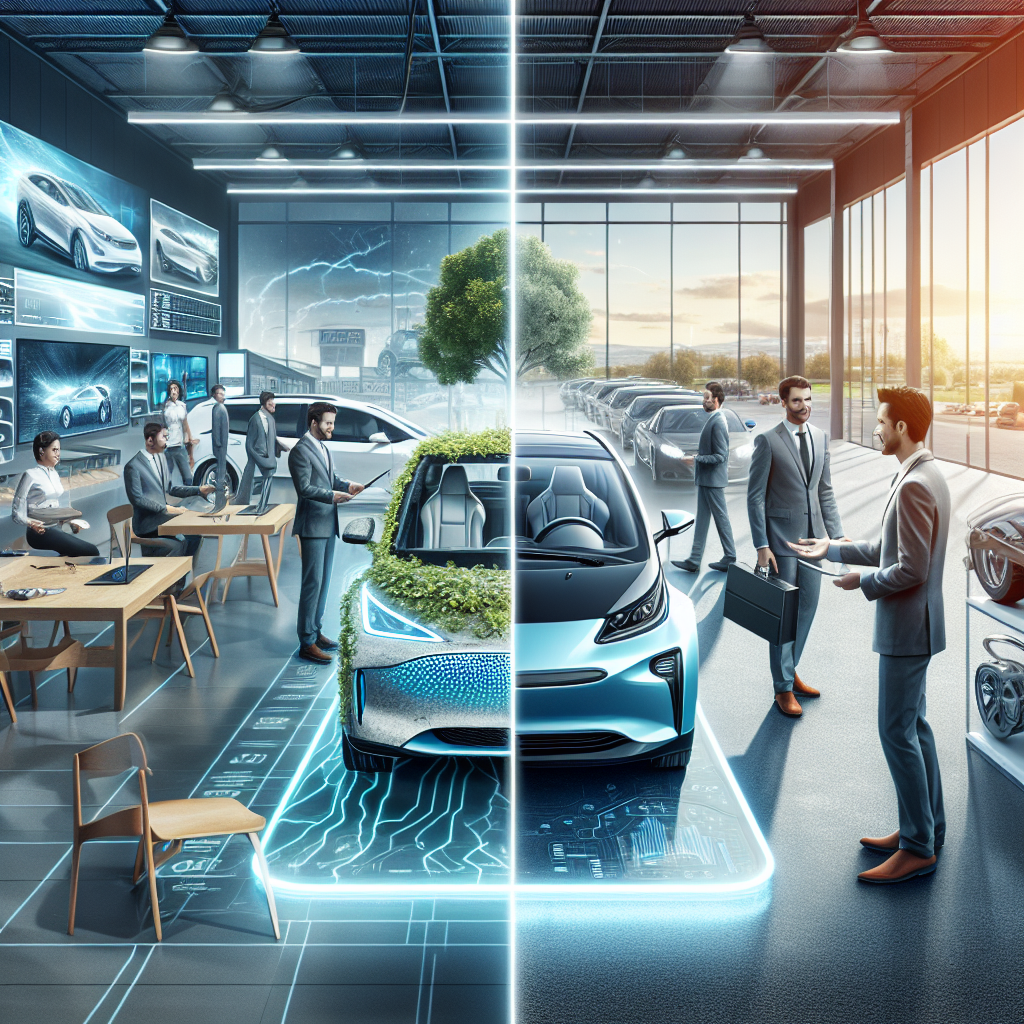
Practical Comparison of Tesla and Toyota Vehicles
Introduction and Overview
I remember when I first started looking into electric vehicles and hybrids. It felt overwhelming at first because the technology is so different from traditional cars. Comparing Tesla and Toyota might seem straightforward, but once you dive deeper, the distinctions become pretty significant. Potential buyers often wonder which fits their lifestyle better—do they want a fully electric car or a hybrid that can switch between gas and electric? This article aims to clarify those differences. I’ll walk through how each technology works, their practical benefits, and what you should consider before making a decision. Honestly, I think understanding these details can save you a lot of frustration and money down the line, especially if you’re new to electric and hybrid vehicles. So, let’s get into it.
Understanding Electric and Hybrid Vehicles
Understanding electric and hybrid vehicles is simpler than it sounds. An electric vehicle (EV) runs solely on a large, rechargeable battery that powers an electric motor. No gas engine at all. Hybrids, on the other hand, combine a traditional gasoline engine with an electric motor and a smaller battery. The key difference is that EVs need to be plugged in to recharge, while hybrids can switch between gas and electric to extend their range. Think of it like a smartphone with a big battery versus one that can also run on a backup power bank. The hybrid system helps save fuel because the electric motor assists the gas engine, especially in city driving. That’s the basic idea—one is fully electric, the other a mix of both worlds. It’s a good starting point for understanding what each vehicle offers.
Tesla Electric Vehicle Technology
Tesla’s technology is impressive because it really pushes the boundaries of what electric vehicles can do. Their cars operate completely on electricity, with no internal combustion engine. The batteries—those huge packs under the floor—store energy that powers electric motors attached to each wheel. Charging is straightforward; most Tesla owners use fast chargers that can give up to 80% charge in about 30 minutes. Tesla’s software is also a standout, offering over-the-air updates that improve performance and add features. They’ve built a vast Supercharger network, making long trips more feasible. I’ve tried charging my friend’s Tesla at a Supercharger station once, and honestly, it’s like filling up your phone with a new app—quick and effortless. The battery systems are designed for longevity, and the electric motors are incredibly efficient, providing quick acceleration and smooth handling.
Toyota Hybrid Technology Explained
Toyota’s hybrid systems are a different beast altogether, focusing on combining the best of both worlds without the range anxiety of purely electric cars. Their hybrids use a gasoline engine paired with an electric motor, controlled by a sophisticated computer. When you start driving, the system decides whether to run on the gas engine, electric motor, or both—sometimes switching seamlessly even without you noticing. The battery in a hybrid is smaller than in a full EV and is charged through regenerative braking, which captures energy when you slow down. That means you rarely need to plug in. I’ve driven a Toyota hybrid myself, and it’s like driving a normal car but with better fuel economy. The technology is reliable, and the system is designed to optimize efficiency without sacrificing comfort or power. It’s a clever setup for people who want less fuss with charging but still save on fuel.
Energy Efficiency and Driving Range Comparison
When it comes to energy efficiency and range, Tesla’s electric vehicles are pretty much unbeatable in the real world. A Model 3, for example, can go over 350 miles on a single charge. That’s enough for most daily commutes and even some longer trips without stopping. Fuel efficiency? Teslas don’t use fuel at all, so the cost is mainly electricity, which is usually cheaper and cleaner depending on where you live. Meanwhile, hybrids like the Prius or RAV4 Hybrid typically offer around 40-50 miles per gallon. Their range is limited to how much fuel they can carry—usually around 500 miles before needing a refill. But refueling takes minutes, unlike charging, which can take half an hour or more with fast chargers. So, in terms of practical daily driving, hybrids might be more convenient for some, but EVs are catching up fast with higher ranges and expanding charging networks.
Charging and Refueling Infrastructure
Charging infrastructure versus refueling is where the rubber hits the road. Tesla’s Supercharger network is pretty extensive in many regions, especially in places like California or Europe. I’ve used these stations myself, and honestly, it’s not too bad if you plan ahead. Still, it’s not as quick as filling a gas tank, and finding a charger can sometimes be tricky. Plus, fast chargers are more expensive and less common in rural areas. On the flip side, refueling a hybrid is almost instant—you just pull up, pop the gas cap, and fill up in a few minutes. That’s why hybrids are still practical for road trips or places with limited charging options. I remember last summer I tried to go on a long drive with my hybrid, and it felt much more relaxed knowing I could refuel anywhere on the route without worrying about charging stations. It’s all about convenience and access.
Maintenance and Repair Considerations
Maintenance and repair? From my experience and what I’ve read, Tesla’s tend to be more expensive over time mainly because of their specialized parts and the battery replacement costs, which can run into thousands. But, they require less routine maintenance since they don’t have oil changes, spark plugs, or exhaust systems. That’s a plus, but I’ve also heard about issues with software glitches and the need for updates. Toyota hybrids are more familiar territory—they’re built on tried-and-true internal combustion engine technology, so repairs are generally cheaper and more widespread. Their batteries last quite a while, but eventually, they do need replacement, which isn’t cheap either. Overall, hybrids might be more predictable and less costly long-term, but Teslas are definitely high-tech and innovative, which sometimes means dealing with quirks.
Cost Analysis and Ownership Expenses
Cost-wise, Tesla’s vehicles typically come with a higher sticker price—sometimes significantly more than a hybrid. I’ve checked the latest models, and the initial investment can be daunting. However, you might save money over time because electricity costs less than gasoline, and maintenance expenses are lower due to fewer moving parts. Insurance can also be higher for electric cars, but resale value tends to stay strong, especially for popular models like the Model 3. Hybrids are usually cheaper upfront—think Prius or RAV4 Hybrid—and because they use conventional parts, insurance and repairs tend to be more affordable. Fuel savings add up quickly, especially if you’re commuting daily. So, in the end, it’s about whether you’re willing to pay more initially for potentially lower long-term expenses or prefer a more budget-friendly start with ongoing fuel savings.
Environmental Impact and Sustainability
Environmentally, EVs like Teslas are often seen as cleaner because they produce zero tailpipe emissions. That’s a big plus if you’re concerned about air quality and climate change. But, I’ve learned that the environmental impact depends heavily on where your electricity is generated. If your grid relies on coal, the benefits diminish some. Hybrids are a bit of a middle ground—they emit less pollution than regular gas cars but still have an internal combustion engine that burns fuel. They help reduce overall emissions but aren’t entirely emission-free. For me, the ecological aspect matters deeply, but I also think about resource use—batteries require rare minerals, which can be a concern. Still, choosing electric or hybrid vehicles is generally better for the planet than sticking with traditional gas-powered cars, especially as renewable energy sources grow.
User Experience and Driving Performance
Driving experience varies quite a bit. Teslas are known for their instant torque, meaning they accelerate faster than most gas cars. I remember flooring a Model 3—it was like being shot out of a cannon, but smooth and quiet. The noise levels are minimal, which makes city driving more pleasant. On the other hand, hybrids tend to feel more familiar—they accelerate steadily and are comfortable, but don’t have that adrenaline rush. Control is straightforward—no complicated gear shifts, just push a button or pedal. I’ve found that Tesla’s tech interface can sometimes be overwhelming if you’re not tech-savvy, but once you get used to it, it’s pretty intuitive. Hybrids, with their traditional controls, feel more familiar but lack that futuristic vibe. It all comes down to what you prefer—raw power or comfort and simplicity.
Real-World Scenarios and Use Cases
In real-world scenarios, hybrids shine when you need quick refueling and flexibility. I’ve used my friend’s Prius for long drives, and it just felt natural—stop, fuel up, go. No need to hunt for charging stations or wait. Perfect for people who travel in rural areas or don’t want to think about range anxiety. Conversely, Tesla’s are ideal if your daily commute is within their range, and you have access to charging at home or work. I’ve seen plenty of people use Tesla’s for city driving, where charging is easy and fast enough. Long-distance travel? It’s doable but requires some planning. Honestly, I think hybrids are more practical for most people who aren’t obsessed with tech or environmental issues but still want to save on fuel. Tesla’s are great if you’re a tech enthusiast or have a dedicated charging setup.
Discussion on Practicality Factors
When I think about practicality, it really boils down to personal priorities. If you value convenience and quick refuels, hybrids are hard to beat. They’re more flexible, more familiar, and often cheaper initially. But if you’re excited about cutting-edge tech, zero emissions, and don’t mind the investment, a Tesla might be more your speed. I’ve seen friends struggle with charging access, yet I also know people who love the smooth, silent ride of electric cars. It’s about what matters most—cost, environment, convenience, or tech. I used to think EVs were just a fad, but now I see they’re here to stay—though hybrids still have their place. Bottom line: there’s no one-size-fits-all, so consider your daily routine, budget, and values before making a choice.
Frequently Asked Questions
- Q: What is the main difference between Tesla EVs and Toyota hybrids? A: Tesla vehicles run entirely on electricity, while Toyota hybrids combine gasoline engines with electric motors for fuel efficiency.
- Q: Are Tesla cars more expensive initially than Toyota hybrids? A: Generally, yes; Tesla EVs have a higher upfront cost but may save money over time on fuel and maintenance.
- Q: How does charging time affect Tesla practicality? A: Charging can take longer than refueling a hybrid, which might be inconvenient without access to fast chargers.
- Q: Do Toyota hybrids require less maintenance? A: They generally need less frequent battery maintenance but still require regular engine servicing unlike fully electric Teslas.
- Q: Which vehicle is better for long-distance travel? A: Toyota hybrids offer quick refueling and flexibility, Tesla EVs depend on charging infrastructure availability.
- Q: Are Tesla vehicles more eco-friendly? A: Tesla EVs produce zero tailpipe emissions, but their environmental impact depends on electricity sources.
- Q: Can I charge a Tesla at home? A: Yes, Tesla owners often install home charging stations for convenience.
Conclusion and Summary
In summary, both Tesla and Toyota offer compelling options, but their practicality depends heavily on your lifestyle. Tesla’s are perfect for tech lovers or those with easy access to charging, offering impressive range and performance. Hybrids, however, excel in simplicity, affordability, and convenience, especially if you’re not ready to go fully electric. I’ve personally found that if you’re mostly city-based or live in an area with good charging infrastructure, a Tesla makes sense. But if you’re on the road often, or just want a hassle-free experience without worrying about charging, a hybrid is probably better. Ultimately, understanding your driving habits and priorities will help you choose wisely. Just don’t rush—these are long-term decisions, and it’s worth taking the time to see what fits your needs best.
References
Below_are_reliable_sources_used_to_support_the_information_presented_in_this_article:
- U.S. Department of Energy, Office of Energy Efficiency & Renewable Energy. “Electric Vehicles and Hybrids.” Energy.gov. Accessed 2024.
- Tesla, Inc. “Model 3 Specifications.” Tesla.com. Accessed 2024.
- Toyota Motor Corporation. “Hybrid Technology Overview.” Toyota.com. Accessed 2024.
- EPA. “Fuel Economy Guide.” fueleconomy.gov. Accessed 2024.
- Consumer Reports. “Electric vs Hybrid Car Maintenance Costs.” consumerreports.org. Accessed 2024.