Exploring Coral Reefs vs. Freshwater Cenotes: A Dive into Nature’s Wonders
When it comes to natural beauty, few ecosystems can rival the vibrant colors and rich biodiversity found in coral reefs and freshwater cenotes. Both offer unique experiences for adventure seekers and nature lovers alike. In this article, we will be exploring coral reefs or freshwater cenotes, comparing their beauty, biodiversity, and the activities they offer. Whether you prefer the salty depths of the ocean or the serene waters of a cenote, both environments provide incredible opportunities for exploration.
Understanding Coral Reefs
Coral reefs are often referred to as the “rainforests of the sea” due to their vast biodiversity. They are home to thousands of marine species, including fish, mollusks, and marine mammals. These ecosystems are formed by coral polyps, tiny organisms that build large structures over time. The Great Barrier Reef in Australia is one of the most famous coral reefs, attracting millions of tourists each year.
Discovering Freshwater Cenotes
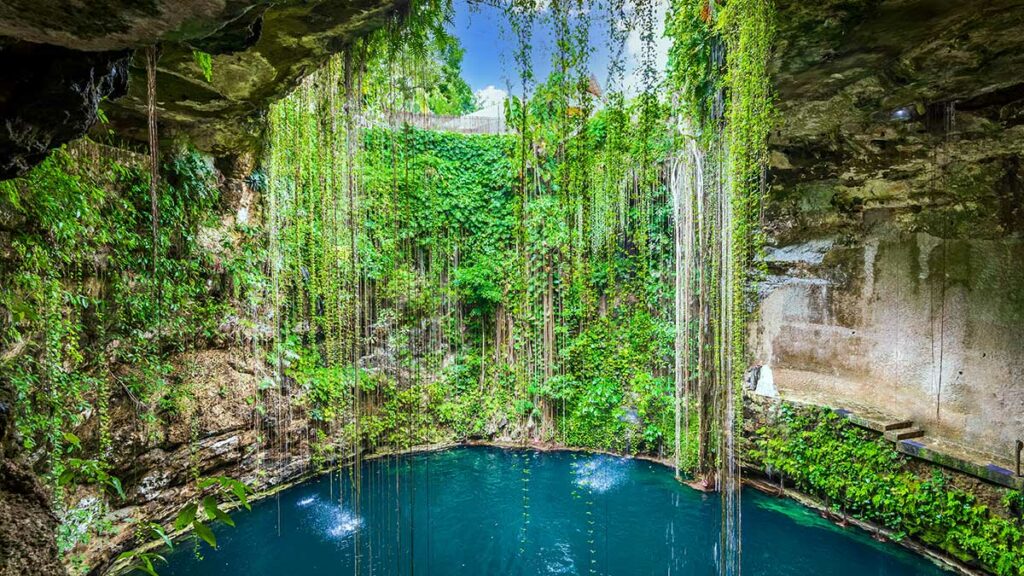
On the other hand, freshwater cenotes are natural sinkholes filled with water, primarily found in Mexico’s Yucatán Peninsula. These unique geological formations are often surrounded by lush vegetation and offer a tranquil swimming experience. Cenotes are popular for snorkeling, diving, and swimming, providing a stark contrast to the bustling marine life found in coral reefs.
Comparing the Experiences
When exploring coral reefs or freshwater cenotes, each environment offers distinct experiences. Coral reefs are perfect for those seeking vibrant underwater life, with opportunities for scuba diving and snorkeling. The colorful corals and schools of fish create a mesmerizing underwater ballet. In contrast, cenotes provide a more serene atmosphere, where you can float in crystal-clear waters surrounded by nature.
Benefits of Coral Reefs
Coral reefs play a crucial role in the marine ecosystem. They provide habitat for numerous species, protect coastlines from erosion, and support local economies through tourism and fishing. Additionally, coral reefs are vital for scientific research, helping us understand climate change and marine biology.
Benefits of Freshwater Cenotes
Cenotes also offer significant benefits. They are unique ecosystems that support various plant and animal species. The water in cenotes is often rich in minerals, making it beneficial for skin and health. Swimming in cenotes can be refreshing and rejuvenating, providing a natural escape from the heat.
Side Effects and Environmental Concerns
While exploring these natural wonders, it’s essential to consider the environmental impact. Coral reefs are under threat from climate change, pollution, and overfishing. Activities like snorkeling and diving can also damage coral if not done responsibly. Similarly, cenotes can be affected by tourism. It’s crucial to respect these ecosystems and follow guidelines to minimize our impact.
Author’s Preference
As an avid traveler and nature enthusiast, I enjoy both experiences. However, I lean towards exploring coral reefs for the vibrant marine life and the thrill of diving among colorful fish. The underwater world is captivating, and each dive reveals something new. That said, cenotes offer a peaceful retreat, especially on a hot day.
Conclusion
In summary, both coral reefs and freshwater cenotes are extraordinary natural wonders worth exploring. Whether you find yourself captivated by the bustling life of a coral reef or the tranquil beauty of a cenote, each environment offers unique experiences. As we continue exploring coral reefs or freshwater cenotes, let’s prioritize their preservation, ensuring that future generations can enjoy these beautiful ecosystems. Choose your adventure wisely, and immerse yourself in the beauty of nature!