Comparing Light Quality in Fall and Winter Photography
Introduction to Seasonal Lighting
Honestly, when I first started exploring photography, I didn’t really pay much attention to how the light changes with the seasons. But as I got more into it, I realized that each season offers its own unique vibe. In fall, the light feels warmer and softer, almost like the world is wrapped in a cozy glow. It’s the kind of light that makes everything look like it’s glowing from within, especially during that long golden hour in the late afternoon. This matters because it can totally transform a shot—think about capturing those vibrant leaves or a misty morning. The way light interacts with the environment can really set the mood, and understanding these changes helps me get more soulful photos.
Characteristics of Fall Light
Fall light, for me, is kind of magical. The quality of sunlight during this season is warm and inviting, which makes it perfect for capturing those rich, earthy tones. The sun hangs lower in the sky, creating longer shadows and a softer glow that makes everything look more textured and alive. I love how the golden hour stretches out in fall, sometimes lasting well into the early evening, giving you more time to shoot those dreamy landscapes or cozy street scenes. Plus, the angle of the light highlights the warm colors of the leaves and makes everything seem more vibrant. It’s like the season itself is giving photographers a big, warm hug—if you know when and where to shoot, of course.
Winter Light Qualities
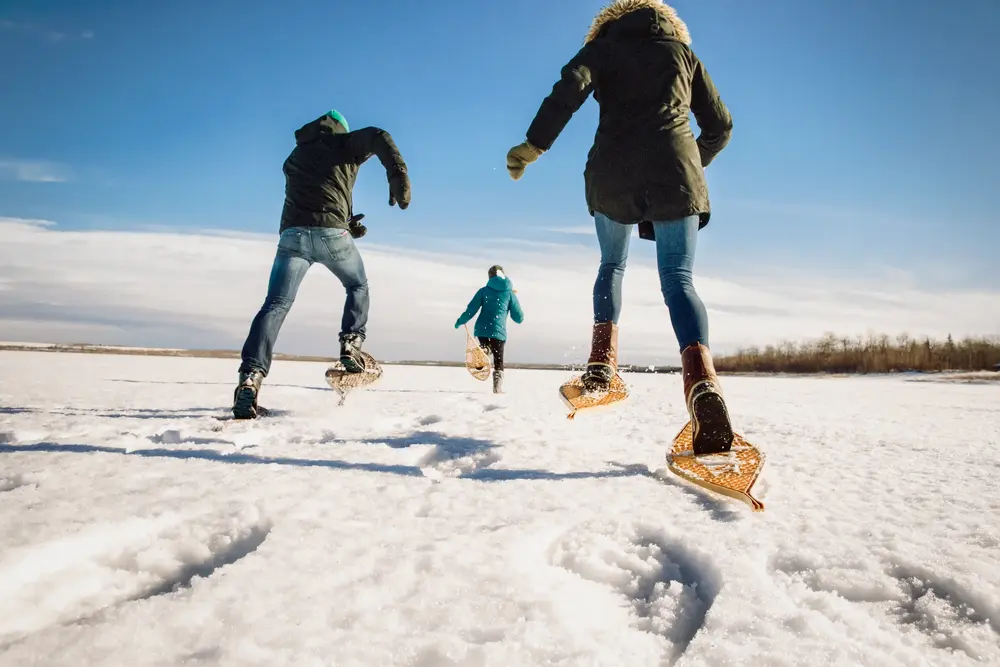
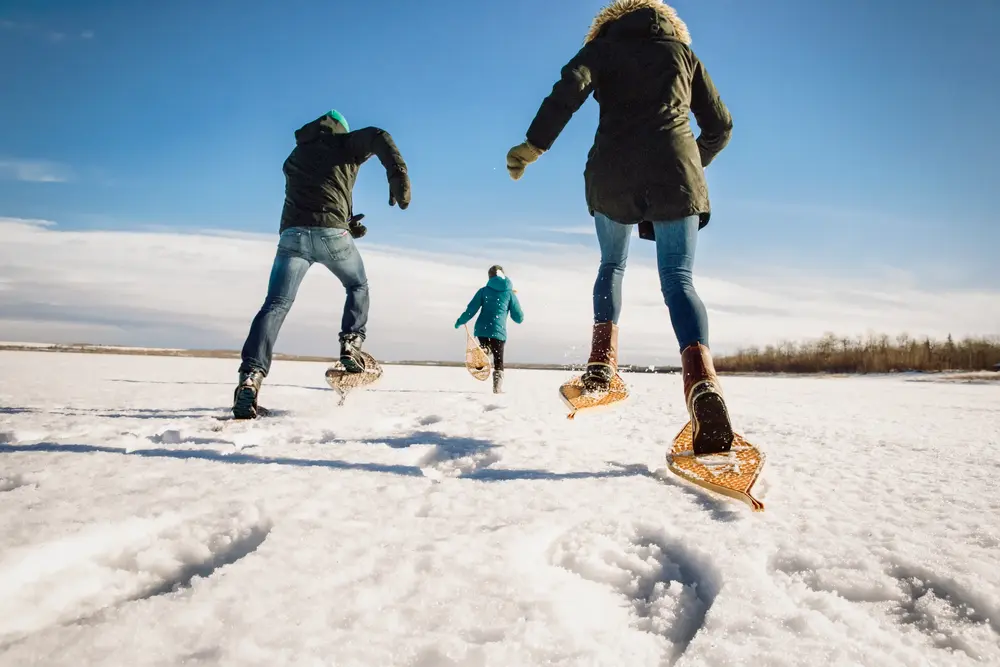
Winter light is a whole different beast. The atmosphere feels cooler, literally and figuratively, with tones leaning toward blues and silvers. The sun sits lower, casting long, stark shadows that can be both dramatic and challenging. I remember last winter trying to shoot during those short days, and honestly, it’s a bit of a balancing act. Snow adds this incredible reflective quality, bouncing light around and diffusing it in ways you don’t get in other seasons. That reflection can turn a dull, overcast day into a soft, luminous scene or make a clear, sunny winter morning look crisp and clean. Winter photos often feel more stark or surreal, like stepping into a different world, which I find pretty fascinating.
Impact of Weather Conditions on Light
Weather really throws a wrench into how light behaves in both fall and winter. Overcast days, for example, turn everything into a soft, diffuse dream—no harsh shadows, just even light that’s perfect for portraits or capturing details. But I’ve also experienced days where fog rolls in thick, turning the world into a muted watercolor painting. Snowy days are especially interesting—bright snow can reflect so much light that it’s almost blinding, but it also creates these beautiful, almost magical conditions. I remember one time shooting during a snowstorm and thinking, ‘Wow, this is crazy how the light is diffused and softened.’ Weather changes are unpredictable, but they add a whole layer of mood and texture to winter and fall images.
Practical Tips for Fall Photography
If you’re into fall photography, my best tip is to shoot during that golden hour—like, just before sunset—when everything turns to gold and shadows get long. That’s when the light is at its most flattering, and the colors of the leaves pop perfectly. I’ve found that using a warm white balance setting on my camera really enhances those cozy tones. Also, don’t be shy about experimenting with different angles—shooting slightly against the light can create those beautiful backlit leaves or even silhouettes. Honestly, I’ve also learned that bringing a tripod helps stabilize those longer exposures, especially when the light starts to fade. So, patience and timing are your friends here.
Practical Tips for Winter Photography
Winter photography is all about embracing the cool tones and reflective snow. I’ve had days where I’d rush outside with my camera and immediately realize I need to protect my gear from the cold—trust me, frostbite isn’t just for fingers. To keep your photos from looking dull, try shooting during those bright, clear mornings when the snow is sparkling like diamonds. Play around with exposure compensation to avoid washing out the snow or making the shadows too harsh. I also suggest using a lens hood to cut down on glare and reflections. Shorter days mean you gotta plan your shoots carefully—sometimes I wake up at sunrise just to catch the best light, then rush to get everything done before the sun dips again. It’s a challenge but totally worth it.
Choosing the Best Season for Light
Choosing between fall and winter for your photography really depends on what kind of mood you’re after. If you love warm, glowing scenes packed with color, fall might be your go-to. But if you’re drawn to stark contrasts, icy reflections, or a more surreal vibe, winter has its charm. Honestly, I think it’s about personal style—some people like the cozy, inviting feel of autumn, while others prefer the crisp, minimalist look of winter. Neither season is better; they just offer different opportunities and challenges. I used to think I’d prefer one over the other, but then I realized that experimenting with both is what keeps my work fresh. So, really, the best season is the one that speaks to your mood and the stories you want to tell.
Conclusion
Both fall and winter offer incredible chances to play with light and mood in photography. Each season has its quirks—whether it’s the warm, soft glow of autumn or the cool, reflective surfaces of winter snow. I’ve found that experimenting with different weather conditions, times of day, and even gear can lead to some of my favorite shots. So, don’t be afraid to get out there and try everything—each season has its own magic, waiting to be captured. Honestly, I think the key is to stay curious and open-minded. Both seasons can teach you something new about light and how it shapes your images. So grab your camera and start exploring—there’s a whole world of seasonal light waiting for you.