Choosing Your Winter Trail Adventure
Honestly, winter activities like fat biking and snowshoeing have become quite popular, and for good reason. ❄️ They give you a chance to enjoy the cold season without feeling cooped up inside. Fat biking, in particular, is a wild ride—literally—because it involves these oversized tires that can handle snow and rough terrain. I remember trying it for the first time last winter at a trail in Colorado, and I was surprised how stable and fun it was, even when the trail was a bit icy. The equipment is pretty straightforward but specialized; fat bikes are heavier but designed to distribute weight evenly, making it easier to glide over snow without sinking. Snowshoeing, on the other hand, is more about walking, but with these funny-looking shoes that spread your weight out. It’s simple, accessible, and low-cost, perfect for those who want to get outside without a lot of fuss. Both activities are worth considering for a winter adventure, especially if you’re looking to stay active and enjoy nature’s winter wonderland. 🔥
Understanding Fat Biking
Understanding fat biking is like getting into a new kind of cycling—only this time, you’re riding on snow or uneven terrain where regular bikes would sink or get stuck. 🚵♂️ The secret weapon here is the fat tire, which is much wider than your typical road bike tire. These bikes are generally equipped with sturdy frames and powerful gears to handle the extra resistance. What’s cool is that the tires are often filled with air but at very low pressure, giving them a floaty feel—think of it like riding a hovercraft on snow. I’ve seen people use these bikes in places like Alaska and even in some ski resorts, where the trails are groomed but snowy. They’re a great way to explore winter landscapes, especially when you want to cover more ground than just walking. The gear setup is pretty minimal but important; a good helmet, gloves, and layered clothing are essentials. Honestly, once you get the hang of it, fat biking feels like a superpower—like you’re gliding through winter on your own terms. ❄️
Getting to Know Snowshoeing
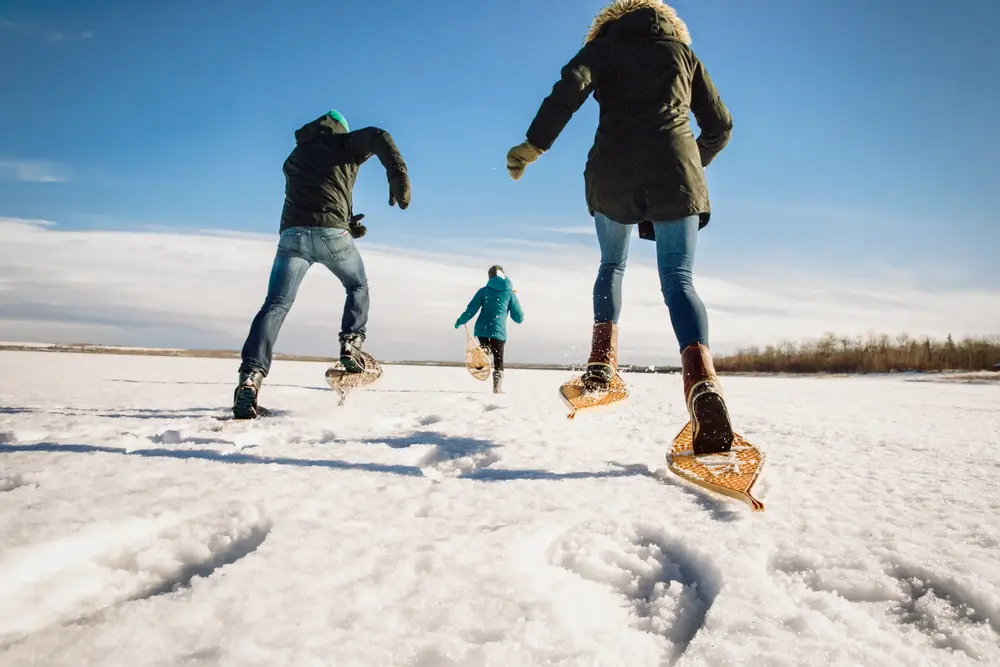
Getting to know snowshoeing is like walking on a magic carpet—except it’s your feet, and the snow is mostly replacing the ground. 🌨️ Snowshoes work by distributing your weight across a larger surface area, preventing you from sinking deep into the snow. They come in different styles—some are simple and lightweight, perfect for casual hikes, while others are more robust for rugged terrain. I remember last winter, I borrowed a pair from a friend and headed out to a nearby trail. The experience was surprisingly easy; I just strapped them onto my boots and started walking. Snowshoeing has a long history, dating back thousands of years when indigenous peoples used them for travel and hunting. Today, it’s a friendly, low-impact activity that’s popular in parks and wilderness areas. It’s a great way to explore winter scenery without needing a lot of fancy gear or experience—just your boots, some warm clothes, and a sense of adventure. Plus, it’s so peaceful, and you really feel like you’re part of the snow-covered landscape. ❄️
Equipment Needed for Each Activity
When comparing the gear needed for fat biking and snowshoeing, the differences are pretty clear but interesting. 🚴♀️ For fat biking, you’ll need a fat bike itself, which can be costly—sometimes around $1,000 or more—and accessories like helmets, gloves, and sometimes even goggles if it’s windy. It’s definitely on the heavier side, which means packing light isn’t really an option if you plan to go for a long ride. Snowshoes, however, are much lighter and usually much cheaper—around $100 for a decent pair—and portable, so you can toss them in a backpack. Clothing-wise, both activities demand layered outfits to stay warm, but snowshoeing can be done with lighter gear if you’re moving slowly. Fat bikes are more about the investment and weight, but they cover a lot of ground quickly. Snowshoes are simple, minimal, and perfect for a quick, easy hike. It’s like choosing between a bike ride and a casual walk—each has its own vibe and gear needs. 🧤
Physical Demand and Fitness Levels
The physical effort involved in both activities varies but can be surprisingly different depending on your fitness level. 💪 Fat biking definitely works your leg muscles a lot—quads, hamstrings, calves—plus your core for balance. It’s like a full workout, especially if you’re climbing hills or riding on uneven terrain. I’ve seen friends who are pretty fit get exhausted after just a few miles, but the thrill makes it worth it. Snowshoeing, on the other hand, is more about steady endurance; it’s less intense but still good exercise. You use different muscle groups—mainly your calves, thighs, and even your arms when you push off or climb steeper slopes. I think snowshoeing is more relaxing and easier for beginners, but don’t underestimate how much your heart rate can spike when you’re trudging uphill. Both activities can be relaxing or vigorous depending on how fast you go and how long you stay out. Honestly, you could mix them up for a great winter workout that keeps you motivated. 🏃♂️
Trail Accessibility and Conditions
Trail conditions really set the stage for how each activity feels. ❄️ Fat biking needs compacted, groomed snow or even icy trails to ride smoothly. When the snow is fresh and fluffy, it’s a disaster—your tires just sink in and you’re stuck. But if the snow’s been packed down by other bikers or snowmobiles, it’s perfect. Weather plays a role too; a warm snap can turn trails into slush, making riding tough. Snowshoeing is a bit more forgiving; you can handle a wider variety of snow types—from icy crusts to deep powder—though deep snow slows you down. Trail accessibility varies; some parks have dedicated snowshoe paths, while others let you wander anywhere. Last winter, I noticed that local trails in Vermont are maintained with snowshoe hikers in mind, but fat bikers often have to find specific routes. Weather and trail care can change your experience overnight—so stay flexible and check trail reports. The more I think about it, snowshoeing seems more adaptable, but fat biking can be a thrill if you find the right trail conditions. 🌬️
Speed and Distance Coverage
Speed and distance coverage are where these activities really diverge. 🚴♂️ Fat biking lets you cover more ground quickly, especially on flat or downhill sections. It’s kind of like comparing a bike ride to a walk—big difference in how much you can see and do. Last summer, I tried to keep pace with a friend on a fat bike in Park City, and we managed to do 20 miles before noon. That’s pretty fast for winter! Snowshoeing, however, is slower and more deliberate. It’s more about soaking in the scenery and taking your time. You might only do a few miles in a couple of hours, but you get a closer look at everything around you. Some people prefer the slower pace, especially if they’re after a peaceful escape or trying to get some fresh air without feeling rushed. Speed affects the experience—fast rides give a rush, slow hikes let you savor every snowflake and pine cone. It’s all about what kind of adventure you’re craving. 🚶♀️
Safety Considerations
Safety is the thing I always keep in mind, especially in winter. Both fat biking and snowshoeing have their risks—falls, cold exposure, and getting lost are common concerns. I remember one time on a snowshoe trip, I underestimated how quickly the cold can set in once you stop moving. Wearing layers and packing emergency gear, like a small first-aid kit and extra food, is crucial. Fat biking can be riskier if you’re not experienced, especially on icy trails where falling can lead to injuries. Helmets are a must, and knowing your limits helps prevent accidents. It’s also wise to check weather conditions before heading out. I once got caught in an unexpected snowstorm while biking, and it was a close call. Staying safe doesn’t mean you have to stay home, but it does mean being prepared—think about how you’ll handle emergencies and dress appropriately. So, always plan ahead and listen to your body. Safety first, always. 🔒
Cost Comparison
Honestly, when you’re just starting out with fat biking, it can feel a bit overwhelming. The initial investment isn’t too bad if you shop smart—sometimes you can find good deals on used bikes or rent first to see if it’s your thing. A decent fat bike might set you back around $1,000, but that’s a one-time cost. Maintenance? Well, it’s not crazy complicated, but after a few snow rides, I swear you’ll want to check the tires and grease the chain more often—especially if you’re riding on salty or muddy trails. Rental options are everywhere now, especially in popular winter spots, so you don’t have to commit right away. Snowshoeing, on the other hand, is super cheap to get started—just a pair of shoes and maybe a set of spikes if the ice gets tricky. You can rent those at most outdoor stores, and they usually cost less than a fancy bike. So, financially, snowshoeing is more budget-friendly initially, but if you’re hooked, fat biking can feel like a real investment in your winter adventures.
Environmental Impact
Both activities have their environmental impacts, but let’s be real—fat biking can cause some trail wear if you’re not careful. I remember last winter I took my bike on a popular trail and saw how the packed snow turned into slush, which can damage the terrain if people go off-route. That said, responsible riders always stick to designated trails and avoid riding on wet or muddy ground to minimize harm. Snowshoeing, meanwhile, tends to be gentler since you’re walking, but that doesn’t mean it’s completely eco-friendly. If you’re stomping around in fragile alpine ecosystems or disturbed wildlife, it can have some impact. The key? Follow Leave No Trace principles—pack out everything, stay on marked paths, and avoid trampling vegetation. Both activities can be eco-friendly if you’re mindful and respect the environment, but I’ve definitely seen people push the limits without thinking, which ruins it for everyone. So, responsible outdoor behavior is what really makes the difference.
Social and Community Aspects
On the social side, both fat biking and snowshoeing can be fantastic ways to meet people, especially if you’re shy like me. I’ve been on group rides where everyone shares snacks and laughs about falling over—seriously, nothing bonds people faster than crashing into a snowbank together. Clubs and organized events are popping up more and more, making it easy to find a community. Snowshoeing is sometimes seen as more laid-back, perfect for beginners or those who prefer a quieter, more contemplative experience. But don’t underestimate how fun it can be to join a snowshoe hike or a winter trail run. Fat biking, on the other hand, is definitely more adrenaline-pumping, and I know a few local bike shops that organize weekly rides, which is a great way to make friends. In the end, both are social activities—just depends if you want to chat while pedaling or enjoy a peaceful walk with friends on snow-shrouded paths.
Which Activity Fits Your Style?
Deciding which activity fits your style really comes down to your personal preferences, fitness level, and what kind of winter fun you’re after. If you love speed, adventure, and don’t mind spending a bit more, fat biking might be your thing. It’s great for those who want a workout that really gets the heart pumping and love exploring new terrains. But if you’re more into a low-impact, meditative experience or just want to get outside without breaking the bank, snowshoeing is perfect. Think about how much gear you’re willing to carry and your budget—if you’re tight on cash, snowshoes are a no-brainer. Also, consider your fitness; if you’re already active, fat biking can push your limits, but if you’re just starting out or recovering from an injury, snowshoeing might be kinder. Ask yourself: Do I want adrenaline or tranquility? Am I more about the social scene or solo adventures? Your answers will point you toward the right winter activity.
Frequently Asked Questions
- Q: Is fat biking suitable for beginners? A: Yes, but starting_on_easy_trails_and_getting_used_to_the_bike_is_key.
- Q: Can snowshoeing be done on icy trails? A: Snowshoes_work_best_in_soft_snow,_but_specialized_spikes_can_help_on_ice.
- Q: Which activity burns more calories? A: Both_are_good_workouts,_but_fat_biking_can_burn_more_due_to_speed_and_effort.
- Q: Do I need special clothing for these activities? A: Dressing_in_layers_and_waterproof_gear_is_important_for_both.
- Q: Can I rent fat bikes and snowshoes? A: Yes,_many_places_offer_rentals,_great_for_trying_before_buying.
- Q: Are fat bikes hard to maintain? A: They_require_regular_care,_especially_after_snow_rides,_but_maintenance_is_straightforward.
- Q: Is snowshoeing good for all ages? A: Absolutely,_it’s_a_low-impact_activity_suitable_for_many_age_groups.
Conclusion
To sum it all up, both fat biking and snowshoeing offer unique benefits that suit different lifestyles and goals. Fat biking can turn a snowy trail into a fast-paced, exhilarating ride, but it requires a bigger upfront investment and some maintenance know-how. Snowshoeing, meanwhile, is accessible, affordable, and perfect for a peaceful day in nature. I’ve tried both, and honestly, I love how each can fit different moods. If you’re looking for a workout that makes you feel alive and a bit daring, give fat biking a shot—just be prepared for the gear and costs. But if you want something simple, calming, and easy to start with, snowshoeing is a gem. Either way, the best part is getting outside and making the most of winter. So, pick what feels right, gear up, and get out there—winter’s waiting with open arms.
References
Here_are_some_trusted_sources_for_further_reading_and_verification_of_facts_mentioned_in_this_article:
- International Mountain Bicycling Association. “Fat Biking Basics.” Accessed 2024.
- American Hiking Society. “Snowshoeing Tips and Safety.” Accessed 2024.
- Outdoor Industry Association. “Winter Recreation Trends Report 2023.”
- REI Co-op. “Getting Started with Fat Biking and Snowshoeing.”
You May Also Like
- Skating Spots Compared: Urban Ice Rinks or Mountain Lakes?
- Frozen Lake or Ice Rink Hockey: Which Feels More Genuine?
- Exploring Winter Park vs. Natural Terrain: Which Adventure Suits You?
- Ice Climbing or Glacier Hiking: Which Adventure Suits You Best?
- Winter Yoga or Snow Hiking: Which Cold-Weather Adventure Fits You?