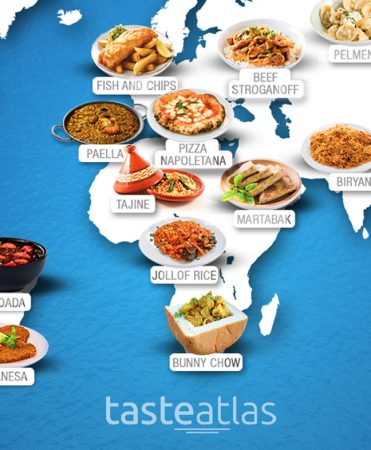
Global Cuisine vs Local Cuisine: A Culinary Showdown
When it comes to food, the debate of global cuisine vs local cuisine is a hot topic among food enthusiasts. Each offers unique flavors, ingredients, and cultural significance. Global cuisine brings together dishes from various countries, while local cuisine focuses on regional specialties. This article explores the differences, benefits, and challenges of both culinary styles.
Understanding Global Cuisine
Global cuisine encompasses a wide range of dishes from around the world. It includes popular foods like sushi from Japan, pasta from Italy, and tacos from Mexico. The beauty of global cuisine lies in its diversity. Ingredients are sourced from various parts of the world, creating a melting pot of flavors. For instance, the use of spices like cumin and coriander can be found in many global dishes, providing health benefits such as improved digestion and anti-inflammatory properties.
Exploring Local Cuisine
In contrast, local cuisine focuses on dishes that are specific to a particular region. These meals often utilize local ingredients, making them fresher and more sustainable. For example, Southern cuisine in the United States features dishes like gumbo and cornbread, which reflect the agricultural products of the area. Local cuisine is not only about taste; it’s about tradition, community, and history.
Comparing Ingredients and Benefits
When discussing global cuisine vs local cuisine, it’s essential to consider the ingredients used. Global cuisine may include exotic spices and imported goods that may not be available locally. This can lead to a higher carbon footprint due to transportation. On the other hand, local cuisine often emphasizes seasonal and regional ingredients, promoting sustainability and supporting local farmers.
For instance, fresh herbs like basil and parsley are staples in many local dishes. They provide not only flavor but also health benefits. Basil is known for its anti-inflammatory and antibacterial properties, while parsley is rich in vitamins A, C, and K. Incorporating these herbs into meals can enhance both taste and nutrition.
Author’s Preference
As a food enthusiast, I find myself gravitating towards local cuisine. The connection to the community and the use of fresh, seasonal ingredients appeal to me. However, I also appreciate the creativity and variety that global cuisine offers. I believe that a balance of both can lead to a more enriching culinary experience.
Conclusion: The Best of Both Worlds
In conclusion, the debate of global cuisine vs local cuisine is not about choosing one over the other. Both styles offer unique experiences and benefits. Global cuisine introduces us to new flavors and cultures, while local cuisine connects us to our roots and promotes sustainability. Embracing both can enhance our culinary journey and appreciation for food.
Ultimately, whether you prefer the exotic flavors of global cuisine or the comforting tastes of local cuisine, there is something to enjoy in both. So, the next time you sit down for a meal, consider the origins of your food and the story it tells.