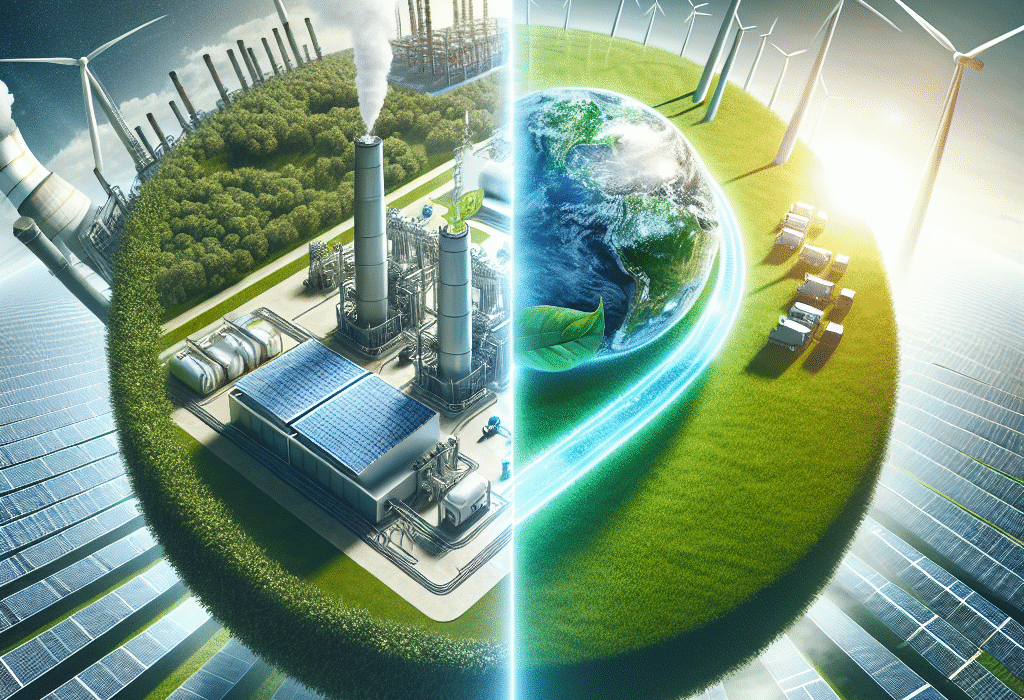
Energy Fuels the Future Shift
Honestly, I remember when green hydrogen first started making waves in the energy scene. It’s like everyone suddenly realized that decarbonization could actually be achievable—no more relying solely on fossil fuels. Green hydrogen, produced through electrolysis powered by renewable energy sources, offers a promising way to cut emissions from sectors that are hard to electrify, like heavy industry and transportation. Meanwhile, solar power has been evolving so rapidly that it’s almost hard to keep up. Last summer, I tried installing a solar system at my place, and the technology has come a long way—modules are more efficient, and costs are dropping faster than I expected. The global capacity for solar has reached over 900 gigawatts, and green hydrogen adoption is growing too, with projects in Europe and Asia leading the charge. It’s clear these technologies aren’t just buzzwords—they’re shaping the future of energy, and their roles in decarbonization and energy security are more intertwined than ever.
Overview of Green Hydrogen and Solar
Green hydrogen is essentially hydrogen made from water using electrolysis, where electricity splits water molecules into hydrogen and oxygen. The key here is the electricity has to come from renewable sources—solar, wind, or hydro—otherwise, it’s not truly green. The process itself is quite energy-intensive, with electrolyzers converting about 70-80% of electrical energy into hydrogen, according to recent industry reports. Solar power generation, on the other hand, relies on photovoltaic (PV) cells or concentrated solar thermal systems. PV panels convert sunlight directly into electricity with efficiencies around 20-23%, while thermal systems capture heat to produce electricity, often with slightly higher efficiency but more complex setups. Recent advancements, like perovskite solar cells and high-efficiency electrolyzers, are pushing these numbers up. As a result, the cost per unit of energy from both technologies is dropping, making them more scalable. Still, questions about scalability and infrastructure costs linger—especially when trying to match the massive energy demands of green hydrogen production.
Production Methods and Efficiency
When comparing production methods and efficiencies, the electrolysis process stands out for green hydrogen, but it’s not without its hurdles. Modern electrolyzers, like PEM (proton exchange membrane) and alkaline types, have efficiencies around 65-75%, but degradation over time is a real concern—materials wear out faster than we’d like, raising operational costs. Solar power, meanwhile, has seen efficiencies improve thanks to new cell materials and tracking systems, but the actual energy conversion rate depends heavily on location and weather conditions. For example, a solar farm in sunny California can produce more energy per watt than one in northern Europe, which affects cost calculations. Cost-wise, the levelized cost of hydrogen (LCOH) can range from $2 to $6 per kilogram depending on electrolyzer scale and electricity prices, making it still a bit pricey for widespread adoption. Scale really matters here—big projects like the NEOM green hydrogen plant in Saudi Arabia aim to produce at gigawatt scale, which could bring costs down dramatically, but infrastructure and energy input remain major challenges.
Cost Analysis and Economic Feasibility
Talking about costs, it’s pretty wild how much capital investment is needed for both green hydrogen and solar projects. Building electrolysis facilities with large electrolyzers can cost hundreds of millions, especially when you factor in the renewable energy sources needed to power them. Operational costs are also significant, mainly due to electricity prices and maintenance—electrolyzers aren’t cheap to keep running efficiently. Solar farms, on the other hand, have seen costs drop below $0.02 per kWh in optimal locations, but the upfront investment for large-scale deployment can still be hefty. The levelized cost of energy (LCOE) for solar is now competitive with fossil fuels in many regions, which is a game-changer. Infrastructure plays a big role too; hydrogen requires specialized storage tanks and pipelines, whereas solar energy can be stored in batteries or via pumped hydro. For example, the Hornsdale Power Reserve in Australia demonstrates how large-scale battery storage can stabilize grid supply, but integrating hydrogen pipelines remains more complex and expensive.
Infrastructure and Storage Considerations
Infrastructure needs really highlight the differences between hydrogen and solar energy. Hydrogen storage is tricky—compressed gas tanks, liquefaction, or even solid-state storage all involve significant technical hurdles and costs. Plus, transportation via pipelines or trucks adds complexity and safety concerns. On the flip side, solar energy can be stored in batteries, like Tesla’s Megapacks, or in pumped hydro facilities—think of those giant reservoirs that can release energy when demand spikes. Recently, innovations like solid-state batteries and flow batteries are promising, but grid integration remains a challenge. For instance, in California, the push for grid-connected battery farms is helping smooth out supply and demand fluctuations. When it comes to solar, the main infrastructure challenge is land use and permitting, especially for large solar parks in environmentally sensitive areas. Meanwhile, hydrogen’s infrastructure is still in its infancy in many places, which makes scaling up a slow process, despite the promising potential.
Environmental Impact and Sustainability
Environmental impacts are often overlooked but critically important. Green hydrogen’s lifecycle emissions depend heavily on the electricity source for electrolysis—if powered by wind or solar, emissions are minimal. However, water usage is significant, especially in arid regions, and large-scale electrolysis can demand vast amounts of water, which raises sustainability questions. Solar power, on the other hand, has a relatively small water footprint—mainly during manufacturing and cleaning—but land use and habitat disruption are concerns. Recent studies show that solar PV has a lifecycle carbon footprint around 20-50 grams of CO2 per kWh, which is quite low. Green hydrogen’s lifecycle emissions can be near zero if produced sustainably. Land footprint is also a key factor; large solar farms require extensive area, but so do some green hydrogen projects, especially when considering renewable energy installations and water sourcing. Regulatory frameworks are increasingly pushing for stricter sustainability metrics, which will shape future deployments for both technologies.
Technological Challenges and Limitations
Despite their promise, both green hydrogen and solar power face technological challenges. Electrolyzers still struggle with efficiency degradation, especially under variable loads, which impacts long-term costs. Material constraints also pose problems; for example, platinum-group metals used in PEM electrolyzers are scarce and expensive. Solar panels face efficiency limits dictated by current materials—perovskites and tandem cells are promising but still in development. Storage losses are another concern: hydrogen can leak or degrade over time, and batteries lose capacity after many charge cycles. Material durability is a real challenge; lead-acid batteries have long been phased out in favor of lithium-ion, but lithium supply is limited. Recent research also points to rare earth elements being critical for certain storage tech, which could bottleneck scaling efforts. These hurdles mean continued innovation and investment are necessary to overcome current limitations and make these solutions more reliable and cost-effective.
Integration with Energy Systems
Integration of green hydrogen and solar into modern energy systems is more advanced than most realize. Smart grids, with their ability to balance supply and demand dynamically, are crucial—especially for solar, which is intermittent by nature. Sector coupling, where industries like steel or cement start using green hydrogen, is gaining traction, with pilot projects in Europe demonstrating this shift. For example, the Hybrit project in Sweden aims to replace coking coal with hydrogen for steelmaking, showcasing how hydrogen can decarbonize heavy industry. In California, pilot programs are combining solar and battery storage to stabilize grids and supply clean power to electric vehicle fleets. The challenge is scaling these systems and ensuring they’re resilient. The future looks promising, but it’s clear that a lot of technical and infrastructural work remains before these technologies become mainstream parts of energy grids worldwide.
Role in Decarbonization and Climate Goals
In a different vein, the HyGear hydrogen plant in the Netherlands offers a compelling case study. Established in 2022, this plant produces green hydrogen using electrolysis powered entirely by wind and solar. The project highlights the potential of green hydrogen in hard-to-electrify sectors like heavy industry and transportation. What’s impressive is how they managed to scale production while maintaining cost competitiveness, thanks to recent breakthroughs in electrolysis efficiency and renewable energy integration. The lessons learned include the need for a robust supply chain and flexible infrastructure to adapt to fluctuating renewable inputs. This real-world example underlines that, although green hydrogen is still costly, ongoing technological advances and policy support could make it a cornerstone of future energy systems, especially in regions with abundant renewables.
Case Studies and Illustrations
When it comes to solar projects, the Noor Abu Dhabi Solar Plant is a standout. It’s one of the largest single-site solar farms in the world, covering over 8 km². Completed in 2019, this project not only demonstrates the scalability of solar PV but also highlights innovative storage solutions. Abu Dhabi invested heavily in advanced battery systems to store excess energy, making solar power more reliable. The lessons from Noor emphasize that integrating storage technology is crucial for maximizing solar’s potential, especially in regions with high sunlight but variable weather. It’s a practical example of how large-scale solar can contribute significantly to a country’s decarbonization strategies, but also how overcoming storage challenges remains vital for consistent energy supply and grid stability.
Future Trends and Innovations
Emerging breakthroughs in solar technology include perovskite solar cells, which promise higher efficiencies and lower production costs. Researchers are also developing tandem cells that combine silicon and perovskite layers, pushing efficiencies beyond 30%. On the green hydrogen front, advances in electrolysis techniques, such as high-temperature solid oxide electrolysis, could dramatically cut costs and improve scalability. Policy-wise, nations like Germany and Japan are investing heavily in pilot projects to test these innovations at commercial scales. Looking ahead, the market expansion will be driven by decreasing costs, increasing renewable capacity, and supportive policies prioritizing decarbonization. The future will likely see hybrid systems, where solar and hydrogen technologies work hand-in-hand to create resilient, low-emission energy networks. The key is continuous research and strategic investments to turn these breakthroughs into widespread solutions.
Discussion and Comparative Summary
Both green hydrogen and solar power are vital in the global move towards decarbonization, but they each have their strengths and weaknesses. Solar power is already mature, with costs dropping rapidly, making it an attractive option for both small-scale and utility projects. However, its intermittency and land use constraints limit its standalone capacity without storage or grid upgrades. Green hydrogen, on the other hand, offers the ability to store energy long-term and decarbonize sectors that are hard to electrify, like cement or aviation, but technology costs remain high. A balanced approach seems best: solar providing immediate clean electricity and green hydrogen acting as a flexible, long-term storage medium. The integration of both can create a more resilient energy system, especially as technological advances continue to lower costs and improve efficiency. It’s not about choosing one but understanding how their complementary roles can accelerate the transition to a sustainable future.
Frequently Asked Questions
- Q: How scalable is green hydrogen compared to solar power? A: Green hydrogen scalability hinges on electrolyzer capacity and renewable electricity availability, while solar power scalability is limited by land use and material availability.
- Q: What are the main storage challenges for hydrogen? A: Hydrogen requires high-pressure tanks or liquefaction, posing safety and energy density challenges compared to battery storage in solar systems.
- Q: How do costs compare between these technologies currently? A: Solar power currently has lower levelized costs, but green hydrogen is projected to decrease significantly with technology improvements.
- Q: Can green hydrogen replace fossil fuels entirely? A: It holds potential, especially in hard-to-electrify sectors, but widespread adoption depends on infrastructure and policy support.
- Q: What environmental impacts are associated with green hydrogen? A: Mainly water consumption and energy source carbon footprint, but it offers a near-zero emissions profile if produced from renewables.
- Q: How does solar power efficiency vary geographically? A: Efficiency depends on solar irradiance, climate, and panel technology, with higher returns in sunnier regions.
- Q: Are there hybrid systems combining both technologies? A: Yes, integrated solar-electrolyzer systems are emerging to produce hydrogen onsite, enhancing efficiency and grid stability.
Conclusion
In summary, comparing green hydrogen and solar power reveals a landscape of exciting opportunities and ongoing challenges. Solar has already made significant strides, with costs decreasing and efficiency improvements accelerating, thanks to innovations like perovskite cells. Meanwhile, green hydrogen holds enormous potential for sectors that resist direct electrification but still faces economic hurdles. Their combined use could be transformative, especially when supported by forward-looking policies and continued investments in research. The key takeaway is that neither technology alone will solve all problems, but together they offer a robust pathway toward net zero targets. As the energy landscape evolves, ongoing innovation and strategic deployment will be crucial. The future belongs to those who understand the importance of both quick wins and long-term solutions, making the energy transition not just necessary but also achievable.
References
Below_are_key_sources_that_provide_authoritative_data_and_analysis_supporting_the_content_discussed_in_this_article.
- International Energy Agency. (2023). The Future of Hydrogen – Seizing Today’s Opportunities. IEA Publications.
- National Renewable Energy Laboratory. (2022). Solar Photovoltaic Technology Basics. NREL Technical Report.
- Intergovernmental Panel on Climate Change. (2023). AR6 Climate Change 2023: Mitigation of Climate Change. IPCC.
- Hydrogen Council. (2024). Hydrogen Insights Report 2024. Hydrogen Council Publications.
- Fraunhofer Institute for Solar Energy Systems. (2023). Advances in Solar Panel Efficiency. Fraunhofer Reports.
You May Also Like
- Plant-Based Meat vs. Lab-Grown Meat: Future Food Trends
- Canva AI vs Adobe Firefly: Shaping Tomorrow’s Design Landscape
- Digital Nomads vs Urban Settlers: Lifestyle Dynamics Explored
- Streaming Bundles vs. Cable TV: Reinventing Old Models or New Horizons?
- Trust Dynamics: Influencers Versus AI Avatars in 2024