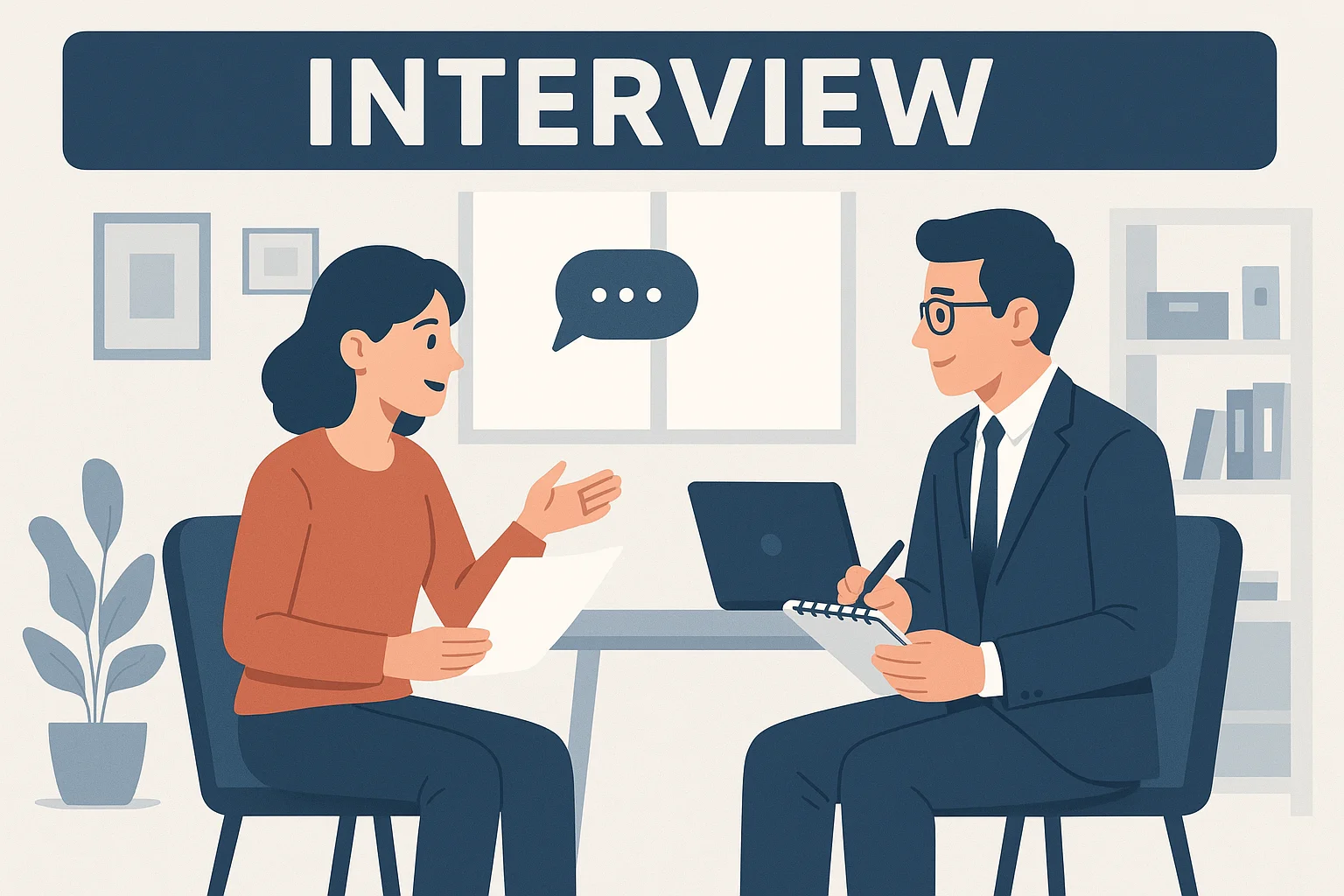
Mastering Job Interview Confidence: My Personal Journey
I’ll never forget my first big interview at a startup that was hiring for a product designer. I walked in with nerves jangling, a coffee in one hand, and a to-do list of questions swirling in my head. My voice trembled when I introduced myself, and I could feel the room size itself inside my chest. But as soon as I started talking about a project I cared about, something clicked. Confidence didn’t appear like magic; it grew from practice, small wins, and a tiny spark of curiosity about the person across the desk. Since then I’ve learned that confidence in interviews is less about flawless delivery and more about showing up with honesty, curiosity, and resilience. This is part of my personal journey. I’ve chased that feeling ever since, and this post is the map I wish I had then. AI coaching has been a companion on the journey.
Table of Contents
- Mastering Job Interview Confidence
- Why Confidence Matters in Interviews
- Preparing Effectively
- Knowing Your Strengths
- Practicing Common Questions
- The Power of Body Language
- Managing Nerves and Anxiety
- Dressing for Success
- Using Positive Visualization
- Learning from Past Experiences
- Building Confidence Over Time
- Handling Tricky Questions
- Post-Interview Reflection
- Frequently Asked Questions
- Key Takeaways
- Conclusion
- References
- You May Also Like
Why Confidence Matters in Interviews
Confidence matters because it signals readiness and trust. In big tech firms like Google, interviews are famously structured, and that structure rewards calm, thoughtful responses. I’ve noticed during my own interviews that when I pause, breathe, and speak at a steady pace, interviewers lean in. They notice your posture, your eye contact, and the rhythm of your sentences more than your perfect phrasing. The alternative—rambling and uncertain—tends to invite questions that slow the process and give skeptics room to doubt. Over time I realized that what people respond to is authenticity and calm focus. It’s not about pretending to know everything; it’s about showing you’re thoughtful, capable of learning, and willing to own missteps. That combination often tilts the scale in your favor without needing to yell your achievements.
Preparing Effectively
Preparing effectively has saved my confidence more times than I can count. I remember spending a weekend researching a company’s products and talking to current employees on LinkedIn, which gave me concrete talking points and questions. The more I know, the less the room feels like a guessing game. I’ve found that a solid prep routine becomes armor for the moment you step through the door. For readers chasing the same goal, I recommend focusing on company fit and role specifics, and when you’re ready, check out resources on future jobs to keep your momentum going. This approach helped me land offers faster and with less anxiety.
Knowing Your Strengths
Knowing your strengths starts with listening to your own stories. I wrote down five moments from my career where I felt proud, then turned each into a concise statement I could drop into answers. That practice didn’t just clarify what I could do; it gave me a confidence surge when the inevitable curveballs appeared. I’m not bragging—I’m choosing to anchor conversations in real evidence. When I can say, ‘I did this with X result,’ I feel steadier. I’ve learned to frame setbacks as learning experiences, a move that keeps self-awareness high and confidence steady. It also makes room for curiosity about the interviewer’s needs, which often reveals hidden alignment.
Practicing Common Questions
Practicing common questions is where the magic almost happens. I used to wing it and then learned the power of mock interviews with friends who grilled me on the same topics I’d face. Recording myself helped me hear the pauses and filler words I ignored before. I still don’t memorize lines; I shape key points and let dialogue flow. And I’ve found that AI coaching can be a surprisingly helpful mirror, pointing out blind spots I’d missed. If you’re worried about sounding wooden, try this: answer aloud, then paraphrase, and then pause to invite questions. The rhythm you build makes a huge difference when the real moment arrives.
The Power of Body Language
Body language is the silent ambassador in any interview. I’ve watched how a straight posture, relaxed shoulders, and a genuine smile can soften a tense room. Eye contact matters more than people admit; you want connection, not stare-downs. I’ve learned to pace my reactions, nod to show understanding, and avoid fidgeting that signals doubt. The effect is immediate: people feel more confident in me, and I feel more confident in myself. This isn’t magic; it’s practice. I sometimes remind myself that I’m seeking harmony between my thoughts and my gestures, a balance that helps me stay present. And yes, I still slip, but I recover faster now.
Managing Nerves and Anxiety
Managing nerves is a daily ritual I’ve come to respect. Before interviews I breathe, sip water, and remind myself that the outcome isn’t the define-all. I’ve learned to treat nerves as a signal to prepare, not as a signal to panic. If my mind goes blank, I pivot—I pause, ask for clarification, and then reframe with what I know. It sounds simple, but the calmer you appear, the more you’ll be trusted to think clearly. I’ve even used a few quick digital marketing skills in practice to illustrate how I’d adapt, which helps the interviewer see you as adaptable and practical. Confidence grows through tiny wins and steady breathwork.
Dressing for Success
Dressing for success matters more than people admit. I used to show up in whatever was clean, and realized appearance affected my state of mind as much as the room’s tone affected me. When I dress a notch, even in a casual setting, I feel a ripple of extra polish that translates into steadier answers and calmer nerves. It’s not vanity; it’s a signal that you value the moment and are ready to contribute. I keep a small rotation of reliable outfits ready for interview days, and I know that feeling properly attired is a real, confidence boost that lingers after you walk out the door.
Using Positive Visualization
Using positive visualization helped me reframe my mindset before tough interviews. I picture myself walking into the room with calm energy, delivering a concise story about a challenge, and leaving with a clear path forward. This mental rehearsal reduces anxiety because you’re rehearsing success, not fear. If you’ve never tried it, start with three steps: breathe, imagine a specific moment of ease, and anchor your memory to a small win from the past. I’ve found that this practice aligns my actions with my intentions and makes the actual words feel more natural. It’s a simple habit that pays off, especially when you’re balancing multiple applications and deadlines. happiness resonates here.
Learning from Past Experiences
Learning from past experiences is a habit I’m still teaching myself. After every interview I jot notes about what went well and what could be improved, then I test changes the next time. I’ve learned to celebrate small improvements and not overreact to a single misstep. A few times I’ve revisited old questions and discovered better stories I hadn’t shared before, which boosted my resilience. My mistakes turned into lessons, and the lessons turned into routines. This process—reflection, adjustment, repetition—keeps my confidence growing, even after setbacks. It’s messy, it’s imperfect, but it’s real, and that honesty matters in the long run. resilience shows up when you least expect it.
Building Confidence Over Time
Building confidence over time is a slow but stubborn process. I’ve learned to treat every interview as a practice run rather than a verdict. Small steps add up: a better answer here, a sharper example there, a calmer tone overall. I keep a running log of what works and revisit it after every rejection, which surprisingly turns into a mini coaching session with myself. There are days I doubt, days I overcorrect, but I remind myself that progress isn’t linear. The key is consistency and patience. If you’re chasing the latest trend or trying to keep up with every new tactic, slow down and focus on the basics. And yes, trends matter, as I’ve seen in the latest shifts. trends I’ve seen in recent years.
Handling Tricky Questions
Handling tricky questions is a skill you don’t realize you needed until it’s asked. I practice with curveballs and learn to think aloud—showing my reasoning rather than hiding it. I’ve paused, bought time, and then pivoted to a relevant example instead of sweating through a blank. It’s imperfect, but honest. A tricky question can reveal how you handle uncertainty, and that’s a win if you don’t crumble. I’ve found that pausing, clarifying, and then sharing a related success makes you look thoughtful and calm. For me, the real payoff comes when I can connect the question back to a tangible outcome. global economy shows up here in disguise.
Post-Interview Reflection
Post-interview reflection is the quiet cousin of the adrenaline rush. I don’t rush to conclusions; I write a short recap of what went well and what could be improved. If I left a question unanswered, I draft a plan for finding the answer or a related example I can use next time. That routine keeps me from spiraling after a rejection and helps me stay hungry for the next opportunity. Some days I worry I’m over-analytical, then I remind myself that thoughtful practice compounds. The real payoff arrives when your notes turn into better conversations later on. It’s all about continuous improvement and learning mindset, two things that keep me moving forward. AI coaching keeps pushing me.
Frequently Asked Questions
- Q: How can I stop feeling nervous before interviews? A: I find deep breathing and reminding myself of my preparation really help calm nerves.
- Q: What if I blank out during a question? A: It’s okay to take a moment to think or ask for clarification—it shows thoughtfulness.
- Q: Should I memorize answers? A: I recommend practicing key points but keeping answers natural to avoid sounding robotic.
- Q: How important is the first impression? A: Very! Confidence in your greeting and body language sets a positive tone.
- Q: What if I don’t know the answer? A: Be honest, and pivot by sharing how you’d find the answer or a related experience.
- Q: Can dressing casually hurt my confidence? A: Dressing well can boost confidence, so I suggest dressing appropriately for the company culture.
- Q: How many mock interviews should I do? A: Even a few can make a big difference—practice until you feel comfortable with your answers.
Key Takeaways
- Confidence starts with solid preparation and knowing your strengths.
- Practicing common questions helps you respond naturally and calmly.
- Body language plays a huge role in how confident you appear.
- Managing nerves is normal and doable with simple techniques.
- Dressing well can surprisingly boost your self-assurance.
- Visualizing success primes your mind for a positive interview.
- Reflecting on past experiences builds resilience and ongoing improvement.
- Handling tricky questions calmly shows true confidence.
- Building confidence is a journey—stick with it even after setbacks.
Conclusion
To sum it up, building confidence in job interviews isn’t a fixed moment; it’s a steady craft you grow over time. I’ve learned that preparation, self-awareness, and deliberate practice create a chain reaction: better questions, smoother stories, stronger presence. The more I practice, the less fear I feel when the door opens. I’ve seen how a confident greeting and steady body language set a positive tone that echoes through the whole conversation. It’s not about being perfect; it’s about showing up as your best self and embracing the journey ahead. If you stick with it, happiness and growth follow, especially with the help of AI coaching along the way.
References
Here are some useful resources I found helpful on my journey to interview confidence:
- Brown, B. (2018). Dare to Lead. Random House. Insightful advice on courage and confidence in professional settings.
- Carnegie, D. (1936). How to Win Friends and Influence People. Simon and Schuster. Classic tips on communication and confidence.
- Gallo, C. (2014). The Presentation Secrets of Steve Jobs. McGraw-Hill. Great for understanding body language and presence.
- Harvard Business Review. (2020). “How to Prepare for a Job Interview.” Available online at hbr.org. Practical interview prep tips.
- MindTools. (2023). “Overcoming Interview Anxiety.” Retrieved from mindtools.com. Useful anxiety management strategies.