My Cold Weather Survival Experience
Honestly, I’ve always been fascinated by cold weather survival. There’s something about the challenge of staying warm and comfortable in freezing conditions that really gets to me. I remember one winter when I decided to hike up a mountain just for fun—it was colder than I expected, and I quickly realized I was underprepared. That experience taught me a lot about layering and the importance of knowing how to stay warm without feeling like a marshmallow. Over time, I’ve tried different techniques, but I’ve found that sharing my tips on how to layer versus minimal clothing can really make a difference. I want to help others avoid the same mistakes I made and maybe even enjoy the cold a little more. So, if you’re into outdoor adventures or just hate feeling cold indoors, stick around because I’ve got some solid ideas to keep you cozy.
Why Cold Weather Survival Matters
Why does cold weather survival matter? Well, it’s not just about avoiding frostbite or hypothermia—though those are serious concerns. It’s also about making sure I can enjoy outdoor activities without turning into a human popsicle. When I’ve been underprepared, I’ve learned the hard way that even the tiniest chill can ruin a hike or a snowball fight. Plus, being comfortable outside means I don’t have to cut my adventures short or feel miserable the whole time. Honestly, I think a lot of people overlook how dangerous it can be to ignore the basics of cold weather prep. My own experiences, like getting caught out in a sudden snowstorm without proper gear, really drive home how crucial it is to respect the cold and dress smart. It’s all about keeping your health, comfort, and fun intact.
My Go-To Layering Technique
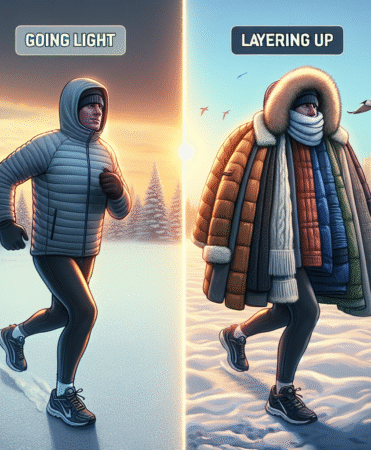
My go-to layering technique is pretty straightforward but effective. I always start with a moisture-wicking base layer—think soft merino wool or synthetic fabric—that pulls sweat away from my skin. Then I add an insulating layer, like fleece or down, to trap heat. The outer layer is where I get a bit strategic: I prefer a waterproof, windproof shell that can handle any surprise snow or wind gusts. Combining these layers feels like building a cozy, protective bubble around me. I’ve got a favorite fleece jacket I swear by, and I always pair it with a thermal hat and some wool gloves. The key is to adjust layers based on activity level—if I’m just walking around, I might shed a layer, but if I stop moving, I layer up again. It’s all about that balance between warmth and mobility.
When I Prefer Bundling Down
There are definitely times I prefer bundling down and going for a heavier, simpler approach. Last winter, I went ice skating with friends, and I remember throwing on my thickest parka and wool hat. It’s not the same as layering multiple thin pieces; sometimes, just a few really warm items do the trick. When you’re doing something active like skating or snowshoeing, I find that a bulky but warm jacket actually makes me feel freer—less fiddling with layers and more enjoying the moment. Plus, stuff like a big down coat acts like a giant warm blanket, which is perfect when you’re just standing around or taking breaks. I guess it’s about knowing when to go minimal and when to just go all-in with the heavy gear. It really depends on the activity and the weather forecast, but I’ve learned that sometimes, less is more if you pick the right pieces.
Fabric Factors That Make a Difference
Fabric choices are a game changer. I swear by wool and fleece—they’re the best at keeping me warm even when they’re damp, which is a big deal in winter. Wool is crazy good because it insulates well, and it doesn’t stink after a day of wearing it, unlike synthetic fabrics. Fleece is lightweight but super warm, and it dries quickly if I get caught in a snow shower. I absolutely avoid cotton for anything serious—once it gets wet, it’s like wearing ice. I remember trying to save a buck by wearing cotton layers on a hike, and I paid the price with a freezing, clammy feeling all day. So yeah, I stick to wool and fleece for reliable warmth, and I always check the fabric labels before buying any gear. It’s those small decisions that make a huge difference when you’re out in the cold.
Accessories That Change the Game
Accessories are often overlooked but honestly, they’ve saved my butt more than once. Beanies, gloves, wool socks—you name it. I once forgot my wool socks on a trip, and my feet were numb after an hour. That was a quick lesson in not skimping on the basics. A good beanie keeps my head warm, which is crucial because a lot of heat escapes from there. Gloves with grip let me handle things outside without losing feeling in my fingers. I’ll never forget the time I forgot my gloves and had to do a quick snowball fight with frozen fingers—not my brightest moment. When I remember to bring my accessories, I stay way warmer and way more comfortable. It’s like having little magic pieces that turn a cold day into an enjoyable one.
Balancing Mobility and Warmth
Balancing mobility and warmth is probably the trickiest part. I hate feeling restricted by bulky clothes but also hate freezing my butt off. So I focus on choosing layers that move with me—stretchy fleece, lightweight down jackets, stuff like that. I’ve learned that layering smart means I can unzip or shed a layer if I start to sweat, then zip back up when I cool down. For activities like snowshoeing or hiking, I avoid stiff gear that makes me feel like I’m wearing a suit of armor. Instead, I go for pieces that stretch and breathe. I think it’s all about experimenting—sometimes I overdo it and end up too hot, other times I freeze because I didn’t layer enough. Finding that sweet spot takes time, but once you get it, cold days become way more enjoyable.
Adjusting My Strategy for Different Cold Situations
Honestly, my approach to cold weather changes a lot depending on what I’m doing. When I’m commuting, I tend to prioritize lightweight, windproof layers that I can peel off easily once I get inside. I remember one winter when I was rushing to catch the bus and just threw on a thin fleece under my waterproof jacket. Turns out, I underestimated how cold the wind could be, and I was shivering by the time I reached work. Now, I always make sure to add a good insulating layer even if I think I won’t need it later. If I’m hiking, I go all in with multiple layers—think moisture-wicking base, insulating middle, and a windbreaker on top. It’s like building a little fortress around myself, but I’ve learned that too many layers can get bulky fast. Relaxing at home? That’s when I get cozy. I usually wear soft sweaters and warm socks, maybe a blanket thrown over my lap. It’s all about staying comfortable without sweating or feeling restricted. So yeah, my strategy really depends on whether I’m on the go, out in nature, or just chilling at home.
Common Layering Mistakes I’ve Learned to Avoid
Oh man, I’ve made some hilarious mistakes early on with layering that I still laugh about. I remember thinking, the more clothes the better, right? So I bundled up in like five shirts, a thick jacket, and a wool hat, thinking I’d be warm as heck. Turns out, I could hardly move and was sweating like crazy because I didn’t realize that layering also meant managing moisture. I used to think that just piling on clothes was the secret, but now I know it’s more about choosing the right fabrics. I also used to overdo it with bundling up my hands and feet, which made it worse—I’d end up sweaty and cold at the same time. It’s funny how many of these mistakes you make when you’re just figuring things out. Now I tell anyone who’ll listen that layering is an art, not just throwing on everything you own. My biggest lesson? Always prioritize breathability and flexibility. It’s like, don’t be that guy who’s so bundled up you can’t even scratch your nose without a struggle. Lighthearted, yes, but trust me, avoiding these rookie errors makes all the difference.
How I Know When to Layer or Bundle
I’ve definitely learned to read the weather and my body signals pretty well over the years. Like, I keep an eye on the sky—if the clouds look heavy and gray, I know I should pack an extra layer or two. But honestly, what really helps is paying attention to how I feel. If I start to shiver even after warming up, I know I need to add a layer. Conversely, if I’m sweating buckets in my jacket, I realize I might be overdoing it. It’s kind of like a little internal thermostat—when I notice my cheeks getting flushed or my fingers going numb, I should probably add or shed layers. Practical advice? Listen to your body, and don’t ignore those tiny signs. Also, I check the wind and humidity because they can sneakily change how warm I feel. I used to ignore that stuff and just go by the thermometer, but now I’ve learned that weather and my own signals are my best guides. It’s a bit like being a weather detective—once you get the hang of it, staying comfortable becomes second nature.
My Favorite Winter Activity Outfits
My favorite winter outfits for activities? Oh, I’ve got a few favorites that work like a charm. When I go for a walk on a chilly day, I throw on a thermal base layer, a cozy fleece, and a waterproof jacket. That combo keeps me warm without making me sweat. I absolutely love skiing, though—my go-to is a moisture-wicking base, a padded insulated layer, and a windproof shell. It’s like wearing a portable heater, but I can still move freely. Running in winter? That’s a different story. I stick with a lightweight, breathable shirt, a reflective vest, and thermal leggings. It’s all about balancing warmth and mobility. Each outfit works because it’s tailored to the activity and weather, but I think the key is always having options to peel or add layers. Plus, I’m a big fan of hats and gloves—those tiny accessories make such a difference because losing heat through your head and hands is real. These outfits aren’t perfect, but they help me stay active and warm without feeling like a marshmallow.
Conclusion: Reflecting on My Cold Weather Style
Wrapping up, I’ll share how my experiences with layering and bundling have shaped my cold-weather survival style and encourage you to experiment to find what works best for you. Staying warm is personal, and I hope my thoughts inspire your own cozy adventures.