Navigating Conversations During a Medical Emergency
- What is a Medical Emergency?
- Recognizing Symptoms
- Staying Calm Under Pressure
- What to Say in an Emergency
- Calling for Help
- Dialogue Examples
- Supporting Others in an Emergency
- Handling Your Emotions
- After the Emergency
- Key Takeaways
- Frequently Asked Questions
- Conclusion
What is a Medical Emergency?
A medical emergency occurs when someone experiences a serious health issue that requires immediate medical attention. It can include situations like heart attacks, strokes, severe bleeding, or difficulty breathing. Recognizing these emergencies is crucial because every second counts in such scenarios. For instance, a heart attack may present symptoms like chest pain and shortness of breath. Ignoring these signs can lead to severe consequences, even death. It’s important to understand that not all emergencies are obvious; sometimes, subtle symptoms can indicate a serious problem. Knowing what constitutes an emergency can empower you to act swiftly and effectively. You may be the difference between life and death, so being informed and prepared is essential. This knowledge can guide you through the panic of a health crisis, ensuring better outcomes for everyone involved.
Recognizing Symptoms
Recognizing symptoms of a medical emergency can be lifesaving. Symptoms vary widely depending on the condition, but some common indicators include intense chest pain, sudden weakness, difficulty breathing, or severe bleeding. For example, if someone suddenly collapses and is unresponsive, it’s crucial to act quickly. Look for signs like discoloration of the skin, especially around the lips or fingertips, which can indicate a lack of oxygen. Additionally, severe headaches, confusion, or sudden changes in vision might signal a stroke. Understanding these symptoms can help you assess the situation accurately. If you’re ever unsure, err on the side of caution and seek help. Remember, quick recognition of these signs can lead to faster treatment and better chances of recovery for the affected individual.
Staying Calm Under Pressure
Staying calm during a medical emergency is vital for effective decision-making and communication. When panic sets in, it can cloud judgment and hinder your ability to act. Take a deep breath and focus on the immediate needs of the situation. For example, if someone is having a seizure, your calm demeanor can help reassure onlookers and the person affected. It’s helpful to develop strategies to maintain composure, such as counting to ten or visualizing a peaceful scene. Additionally, remind yourself that help is on the way, and staying calm can positively influence others around you. Your ability to remain level-headed can inspire confidence and facilitate better outcomes. In these high-pressure moments, your clarity of thought can make all the difference in providing the necessary assistance.
What to Say in an Emergency
What to say during a medical emergency is crucial for effective communication. Start by clearly identifying the nature of the emergency. For instance, you might say, ‘I need help; someone is having a heart attack!’ This straightforward statement immediately conveys urgency and specifies the situation. When speaking to emergency responders, provide essential information like the location, the person’s symptoms, and any relevant medical history. It’s also important to remain calm and speak slowly to avoid confusion. If you’re assisting someone in distress, offer reassurance, saying things like, ‘Help is on the way; you’re going to be okay.’ Clear and concise communication can save precious time during emergencies, ensuring that the right help arrives promptly. Remember, your words can have a profound impact in these critical moments.
Calling for Help
Calling for help is a critical step in any medical emergency. Start by dialing the emergency services number in your area. When the operator answers, remain calm and provide them with essential details. Clearly state your location, describe the situation, and mention the symptoms observed. For instance, you might say, ‘I’m at 123 Main Street; a person is unresponsive and not breathing.’ This information helps responders prepare for the situation before they arrive. If you’re unsure about the specifics, it’s better to be cautious and call for help anyway. They are trained to guide you on what to do while waiting for assistance. Always keep your phone close, and don’t hang up until you’re advised to do so. This step is vital for ensuring medical professionals arrive as quickly as possible.
Dialogue Examples
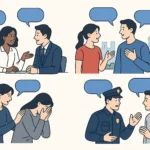
Dialogue examples can provide valuable insight into how to communicate during a medical emergency. For example, if someone collapses, you might say, ‘Can you hear me? I’m calling for help!’ This simple statement alerts others around you and encourages bystanders to assist. In another scenario, if someone is experiencing severe pain, you could ask, ‘What’s happening? Where does it hurt?’ These questions can help gather vital information for medical personnel. Practicing these dialogues can prepare you for real-life situations, making it easier to respond when emotions run high. Consider role-playing with friends or family to get comfortable with the language used in emergencies. The more familiar you are with these interactions, the more confident you’ll feel when it matters most. Communication can be a lifeline in critical moments.
Supporting Others in an Emergency
Supporting others in a medical emergency involves providing comfort and reassurance. People in distress often feel overwhelmed and frightened, so your calm presence can be incredibly helpful. For example, if someone is panicking, you might say, ‘Take a deep breath; I’m here with you, and help is on the way.’ This approach not only calms them but also lets them know they are not alone. Listening is just as important; allow them to express their fears and concerns. Empathy can go a long way in these situations. Additionally, if you’re in a group, delegate tasks to others to ensure everyone knows what to do. Your support can help create a sense of order in the chaos, making it easier to manage the emergency effectively.
Handling Your Emotions
Handling your emotions after a medical emergency can be challenging. It’s common to feel a range of emotions including anxiety, guilt, or even relief. Take time to reflect on the experience and acknowledge your feelings. Talking to someone about what happened can be incredibly therapeutic. Whether it’s a friend, family member, or a professional, sharing your experience can help process these emotions. Engaging in calming activities like meditation or deep-breathing exercises can also be beneficial. Remember, it’s okay to seek help if you’re struggling to cope. Many people feel shaken after witnessing or participating in an emergency. By addressing your feelings, you can better manage your mental health and prepare yourself for future situations. Don’t hesitate to reach out for support when needed.
After the Emergency
After the emergency, it’s essential to follow up and reflect on the experience. Checking in with the person involved can provide closure and show that you care. You might say, ‘I’m glad you’re okay; how are you feeling now?’ This not only helps them feel supported but can also provide you with insight into what happened. Discussing the event with others who were present can help clarify details and alleviate any lingering anxiety. It’s also a good time to evaluate your response; consider what went well and what could be improved for next time. Engaging in training like first aid courses can empower you for future emergencies. This reflection process can lead to personal growth and preparedness, ensuring you’re even more equipped to handle crises in the future.
Key Takeaways
- Understanding what constitutes a medical emergency is essential.
- Recognizing symptoms can save lives.
- Staying calm is crucial for effective communication.
- Know what to say when you’re in a crisis.
- Clear and concise information is vital when calling for help.
- Practice dialogue examples to feel more prepared.
- Support those around you during emergencies.
- Manage your emotions after the event for better mental health.
Frequently Asked Questions
- Q: What should I do first in a medical emergency? A: Assess the situation, ensure safety, and call for help if needed.
- Q: How can I help someone in distress? A: Stay calm and provide reassurance while you gather information.
- Q: What if I don’t know what to say? A: It’s okay! Focus on clear and simple communication.
- Q: Should I always call for help? A: Yes, if there’s any doubt, it’s better to call for professional assistance.
- Q: How do I manage my fear during an emergency? A: Take deep breaths and remind yourself to focus on the actions you can take.
- Q: How can I prepare for emergencies? A: Learn basic first aid and practice emergency dialogues.
- Q: What resources can I use for more information? A: Look for local health organizations and first aid courses.
Conclusion
In summary, knowing how to navigate conversations during a medical emergency is crucial, especially for those who may feel shy or anxious in such situations. By understanding what constitutes a medical emergency, recognizing symptoms, and staying calm, you can effectively communicate and provide support. With practice and preparation, anyone can feel more confident in these high-pressure moments. Remember, clear communication and emotional support can make all the difference when every second counts.