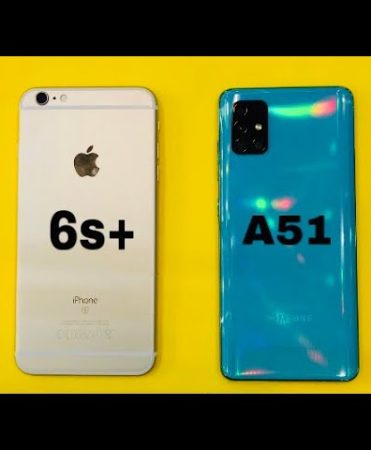
iPhone 6s vs Samsung Galaxy A51: A Comprehensive Comparison
The battle between the iPhone 6s vs Samsung Galaxy A51 is a topic of interest for many smartphone enthusiasts. Both devices have made a significant impact in the smartphone market, each offering unique features and capabilities. In this article, we will delve into the specifications, performance, and user experience of these two popular models, helping you make an informed decision.
Design and Build Quality
The first thing you notice about a smartphone is its design. The iPhone 6s features a premium aluminum body, giving it a sleek and sturdy feel. On the other hand, the Samsung Galaxy A51 sports a glass front and back with a plastic frame, which makes it feel modern but slightly less durable. While both phones are aesthetically pleasing, the choice between them may come down to personal preference regarding materials.
Display Quality
When comparing the displays, the iPhone 6s vs Samsung Galaxy A51 presents a stark contrast. The iPhone 6s has a 4.7-inch Retina HD display with a resolution of 1334 x 750 pixels. In contrast, the Galaxy A51 boasts a larger 6.5-inch Super AMOLED display with a resolution of 2400 x 1080 pixels. This means that the A51 offers a more vibrant and immersive viewing experience, particularly for media consumption.
Performance and Software
Performance is another critical aspect when comparing these two smartphones. The iPhone 6s is powered by Apple’s A9 chip, which, despite being older, still performs admirably for everyday tasks. The Samsung Galaxy A51, however, is equipped with the Exynos 9611 processor, which handles multitasking and gaming efficiently. Both devices run smoothly, but the A51 may have an edge in handling more demanding applications.
Camera Capabilities
In the realm of photography, the iPhone 6s vs Samsung Galaxy A51 offers different strengths. The iPhone 6s has a 12 MP rear camera that captures excellent photos in various lighting conditions. The Galaxy A51 features a quad-camera setup, including a 48 MP main sensor, a 12 MP ultra-wide lens, a 5 MP macro lens, and a 5 MP depth sensor. This versatility allows for more creative photography options, making the A51 a better choice for photography enthusiasts.
Battery Life
Battery life is essential for any smartphone user. The iPhone 6s has a smaller battery compared to the Galaxy A51, but it is optimized well with iOS. However, the A51’s larger battery capacity often translates to longer usage times, especially for heavy users. If you prioritize battery longevity, the Galaxy A51 might be the better option.
Software Experience
Apple’s iOS and Samsung’s One UI offer different user experiences. The iPhone 6s runs on iOS, which is known for its smooth performance and regular updates. In contrast, the Galaxy A51 runs on Android with Samsung’s One UI, providing more customization options. Your preference for either operating system will play a significant role in your choice between these two devices.
Price and Value
Price is often a deciding factor for many consumers. The iPhone 6s, being an older model, is generally available at a lower price point compared to the Samsung Galaxy A51. However, the A51 offers more modern features and specifications, which may justify its higher cost for some users.
Conclusion
In the iPhone 6s vs Samsung Galaxy A51 debate, both smartphones have their merits and drawbacks. The iPhone 6s is a solid choice for those who appreciate a premium build and a reliable iOS experience. Conversely, the Samsung Galaxy A51 stands out with its larger display, versatile camera system, and longer battery life. Ultimately, your decision should be based on your personal preferences and how you intend to use your smartphone.
In summary, whether you choose the iPhone 6s or the Samsung Galaxy A51, both devices cater to different user needs. Make sure to weigh the features that matter most to you before making a purchase.