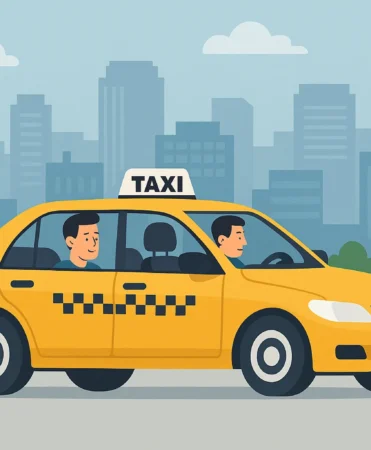
Navigating Taxi Fares with Confidence
Effective communication is crucial when negotiating taxi fares. Many people feel shy or unsure about discussing prices, but remember that taxi drivers are often open to negotiation, especially in areas where fares are not fixed. By clearly expressing your wish to negotiate, you create an opportunity for a better deal. Start by greeting the driver warmly and establishing a friendly rapport. This sets a positive tone for the conversation. If you feel nervous, take a deep breath and remind yourself that it’s perfectly acceptable to discuss prices. Communication isn’t just about words; it’s also about your body language and confidence. By demonstrating respect and clarity in your conversation, you can enhance the likelihood of a successful negotiation and ensure a more pleasant taxi experience overall.
Understanding Flat Fares
Flat fares are predetermined prices set for specific routes, especially common in urban areas and airports. They simplify the pricing structure, allowing passengers to know the cost upfront, regardless of traffic conditions or time taken. Typically, these fares are established based on distance and estimated travel time, making them a convenient option for travelers. For instance, a flat fare might be set for trips from an airport to the city center. Knowing about flat fares can help you avoid unexpected charges. When considering a taxi ride, it’s wise to inquire about flat fare options. If you’re familiar with the typical flat fares in your area, you’ll be better equipped to negotiate effectively and ensure you aren’t overcharged for your journey.
Why Negotiate Your Fare?
Negotiating your taxi fare can be beneficial for several reasons. First, it may save you money, especially during peak hours or in busy tourist areas where prices might be inflated. Negotiation also allows you to gain insights into local fare structures, as drivers often have experience with typical rates. Furthermore, discussing fares can lead to a more personalized experience, as drivers may share tips about your destination or local attractions. While not every situation calls for negotiation, it’s applicable when you sense that the fare is high or when you have knowledge of competitive rates. This proactive approach can empower you and enhance your travel experience, allowing you to feel more in control of your journey.
Preparing to Negotiate
Preparing to negotiate with a taxi driver is essential for success. Start by researching typical fares for your intended route, so you have a baseline for negotiation. Knowing the average fare will help you confidently discuss prices without feeling overwhelmed. Additionally, practice some key phrases that you can use during the negotiation. This preparation will boost your confidence and make the conversation smoother. Consider timing as well; approach the negotiation when the driver is not busy. It’s also helpful to maintain a friendly demeanor throughout the discussion. Remember, the goal is to reach a mutually beneficial agreement, so being polite and respectful can go a long way in achieving this.
Phrases to Use When Negotiating
When negotiating with taxi drivers, effective phrases can make all the difference. Start with friendly inquiries like, ‘What’s the fare to downtown?’ or ‘I heard the price is around…’ This shows you’ve done your homework. If you want to negotiate, you could say, ‘Would you consider a lower fare?’ or ‘I’ve seen better rates elsewhere.’ These phrases open the door for discussion. Additionally, expressing appreciation for their service can create a positive atmosphere, so consider adding, ‘I really appreciate your help with this.’ By using polite language and clear questions, you can foster a constructive dialogue and potentially secure a better fare without causing tension.
What to Avoid During Negotiation
When negotiating fares, it’s crucial to avoid common pitfalls that could derail your efforts. One major mistake is using aggressive or confrontational language. Instead, aim for a calm and friendly approach to keep the conversation positive. Another error is assuming that every driver will negotiate; some may have fixed rates, especially in regulated areas. Furthermore, avoid discussing fares in a busy or distracting environment, as this can lead to misunderstandings. If the driver seems disinterested or unwilling to negotiate, don’t push too hard; it’s often better to accept the fare than to create conflict. Being aware of these common mistakes can significantly improve your negotiation experience.
Building Confidence in Communication
Building confidence in communication is key to successful negotiations. One effective technique is to practice role-playing scenarios with a friend. You can simulate different fare negotiation situations, which will help you feel more at ease when it’s time to negotiate for real. Additionally, try recording yourself practicing key phrases and then listen back; this can help you identify areas for improvement in tone and clarity. Another helpful exercise is to visualize successful negotiations, imagining positive outcomes and interactions with the driver. The more familiar you become with the phrases and situations, the more confident you will feel when it’s your turn to negotiate.
Real-Life Examples of Negotiating Fares
Real-life examples can illustrate the power of negotiation. For instance, a traveler heading to a hotel from the airport might approach the taxi driver with, ‘I’ve heard the fare is around $25. Would you be willing to go for that?’ This simple question opens the door for negotiation. In another scenario, a couple heading to a local attraction asked the driver, ‘What’s the best rate you can offer us for a round trip?’ This not only provides a clear target but also encourages the driver to consider a deal. Both examples show how polite inquiries can lead to successful fare negotiations without tension.
Dealing with Difficult Drivers
Dealing with difficult drivers can be challenging, but maintaining your composure is essential. If a driver is unwilling to negotiate, stay calm and polite, expressing your understanding. You might say, ‘I understand if you can’t change the fare, but I was hoping for a better rate.’ If the situation escalates or the driver becomes rude, consider exiting the conversation gracefully. Politely thank them for their time and seek another taxi. It’s crucial to remember that your safety and comfort are paramount. When faced with a difficult driver, keeping your cool and having a backup plan can help you navigate the situation smoothly.
When Negotiation is Not Possible
There are situations where negotiation may not be feasible, particularly with flat fares that are fixed. For example, many airports have established rates that cannot be altered, designed to protect passengers from inflated charges. Additionally, some taxi services operate under strict regulations that prevent drivers from changing fares. It’s important to recognize these boundaries to avoid frustration. When faced with a flat fare, consider it a fair exchange for convenience. If you’re unsure, don’t hesitate to ask the driver about the fare structure. Understanding when negotiation is off the table will help you manage your expectations and make informed decisions during your travels.
Summarizing Your Approach
Practicing your negotiation approach is essential for success. Start by summarizing the key points discussed in this guide, such as understanding flat fares, preparing for negotiations, and using effective phrases. Make it a habit to rehearse these strategies regularly to build your confidence. Role-playing with friends or family can also be beneficial, as it allows you to simulate real-world scenarios. Remember to focus on maintaining a friendly tone and being respectful during negotiations. By consistently practicing these techniques, you will become more comfortable and effective in negotiating taxi fares, ultimately enhancing your travel experience while saving money.
Table of Contents
- Understanding Flat Fares
- Why Negotiate Your Fare?
- Preparing to Negotiate
- Phrases to Use When Negotiating
- What to Avoid During Negotiation
- Building Confidence in Communication
- Real-Life Examples of Negotiating Fares
- Dealing with Difficult Drivers
- When Negotiation is Not Possible
- Summarizing Your Approach
Key Takeaways
- Flat fares can save you money and time if negotiated correctly.
- Preparation is key; know the typical rates beforehand.
- Use polite and clear phrases to express your desire to negotiate.
- Avoid aggressive or confrontational language that can escalate tension.
- Practice communication skills to build confidence for negotiations.
- Be ready to walk away if the fare isn’t reasonable.
- Understand when negotiation is not an option, such as with set rates.
Frequently Asked Questions
- Q: What if the driver refuses to negotiate? A: It’s important to remain calm and polite; sometimes, it’s best to accept the fare or find another taxi.
- Q: How do I know if I’m getting a fair flat fare? A: Research typical rates in the area and compare them to what the driver offers.
- Q: Can I negotiate if I’m at the airport? A: Many airports have set rates, but you can still ask if there’s flexibility.
- Q: Is it rude to negotiate? A: Not at all! As long as you are respectful, negotiation is a common practice.
- Q: What phrases can I use to start the negotiation? A: Start with friendly phrases like, ‘I heard the fare is typically around…’ or ‘Would you consider…?’
- Q: What if I feel too shy to negotiate? A: Practice makes perfect! Try role-playing with a friend to build your confidence.
- Q: What should I do if the taxi driver is rude? A: Stay professional and consider finding another taxi if the situation escalates.
Wrapping Up Your Fare Negotiations
Negotiating taxi fares can seem daunting, especially for those who might feel shy about speaking up. However, with the right preparation and strategies, anyone can approach this situation confidently. Understanding the fare system, practicing key phrases, and knowing when to walk away can empower you to secure a better deal while enhancing your travel experience.
Target of the Article
This article aims to equip readers with practical dialogue strategies for negotiating taxi fares, especially for those who may feel shy or uncertain in such situations. By providing clear examples and techniques, we hope to build confidence and communication skills for effective interactions.