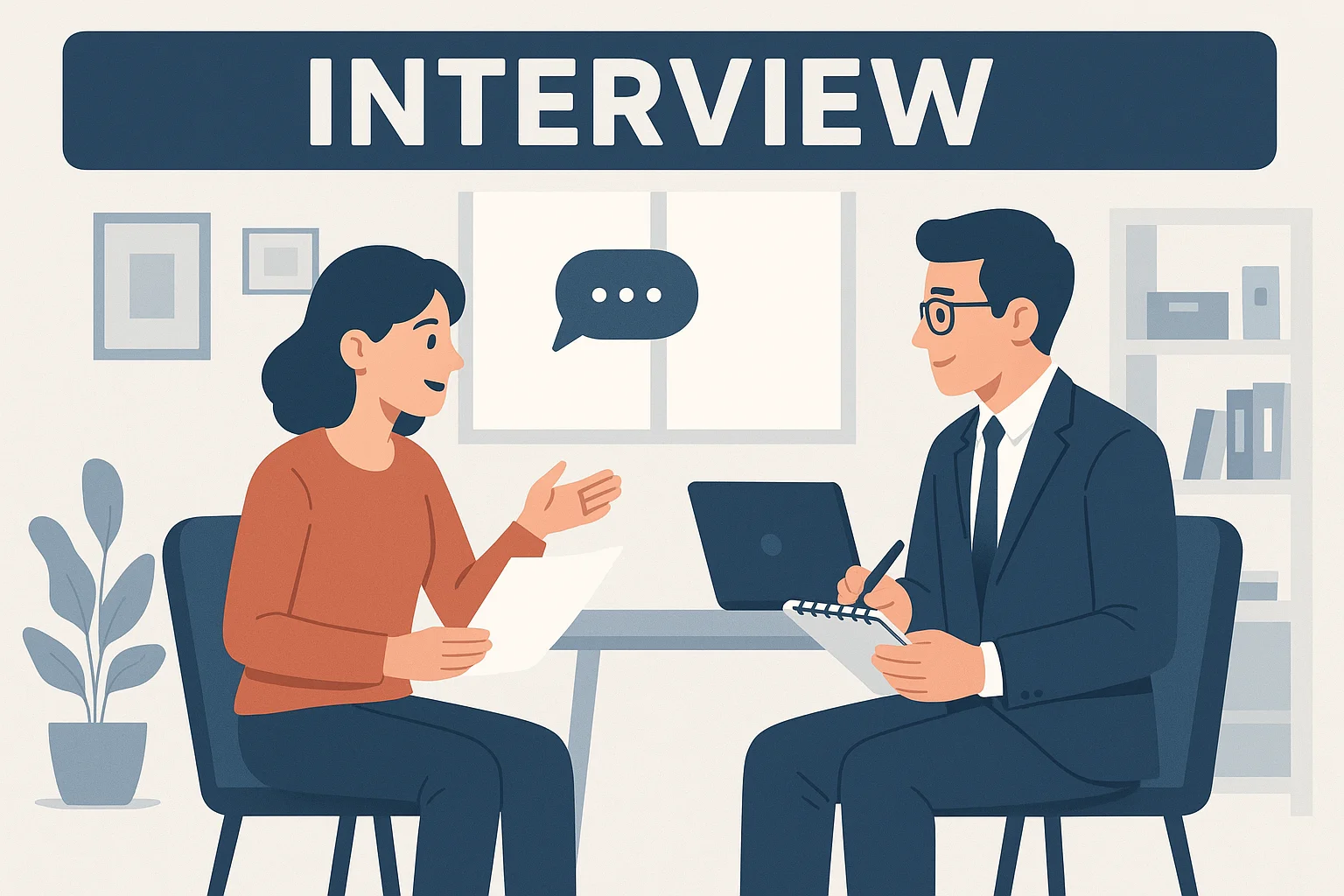
Panel Interviews: Strategies for Success
- What is a Panel Interview?
- Benefits of Panel Interviews
- Preparing for a Panel Interview
- During the Interview
- Post-Interview Follow-Up
- Common Questions Asked
- Handling Difficult Situations
- Key Takeaways
- Frequently Asked Questions
- Conclusion
What is a Panel Interview?
A panel interview is a structured format where multiple interviewers assess a candidate simultaneously. Typically, this format involves three to five panelists, including potential supervisors, HR representatives, and team members. This diverse group allows for a comprehensive evaluation of the candidate’s skills, fit, and potential contributions to the organization. During the interview, each panelist may ask questions from their specific perspective, creating a dynamic dialogue. This format not only helps employers gauge how well candidates handle pressure, but it also reveals how they interact with multiple stakeholders. Understanding this structure is crucial for candidates, as it can be quite different from traditional one-on-one interviews. Overall, a panel interview provides a thorough insight into a candidate’s qualifications and interpersonal skills.
Benefits of Panel Interviews
Panel interviews offer several advantages for both employers and candidates. For employers, this format ensures a well-rounded assessment, as multiple perspectives are considered when evaluating a candidate’s qualifications. It streamlines the hiring process, allowing decision-makers to compare candidates in real-time. For candidates, panel interviews create an opportunity to showcase their skills to several key decision-makers at once, potentially speeding up the hiring process. Additionally, candidates can gain insights into the company culture and team dynamics through interactions with various panelists. This collaborative approach fosters richer discussions and helps candidates understand the expectations of the role. Ultimately, panel interviews can lead to better hiring decisions and a more efficient recruitment process, benefiting everyone involved.
Preparing for a Panel Interview
Preparing for a panel interview requires a strategic approach to ensure success. Begin by researching the company thoroughly; understanding its mission, values, and recent developments can provide valuable context. Next, practice common interview questions, focusing on articulating your experiences and skills clearly. Consider conducting mock interviews with friends or mentors to gain confidence. Another key preparation step is to create a list of insightful questions for the panelists, showcasing your interest in the role. Additionally, familiarize yourself with the panel members’ backgrounds, as this can help tailor your responses to their interests. Lastly, plan your logistics, such as attire and travel arrangements, to minimize stress on the interview day. A well-prepared candidate can demonstrate professionalism and enthusiasm.
During the Interview
Engaging effectively with multiple interviewers during a panel interview can be challenging but rewarding. Start by making eye contact with each panelist when answering questions, which fosters a connection and shows you value their input. Use their names when responding to questions to personalize the interaction and create rapport. When answering, structure your responses to address the group’s collective interests, demonstrating your understanding of the role’s demands. It’s also important to be aware of the panelists’ body language; read their reactions and adjust your delivery accordingly. Lastly, maintain a calm demeanor and show enthusiasm for the opportunity. A positive, engaging presence can leave a lasting impression and enhance your chances of success.
Post-Interview Follow-Up
Following up after a panel interview is a crucial step in demonstrating professionalism and gratitude. Send a personalized thank-you email to each panelist within 24 hours of the interview. In your message, express appreciation for their time and the opportunity to discuss the position. Highlight specific points from the conversation that resonated with you, reinforcing your interest in the role and the company. This not only keeps you fresh in their minds but also shows your attentiveness during the interview. Additionally, if you have any follow-up questions or clarifications, this is an appropriate time to include them. A thoughtful follow-up can differentiate you from other candidates and reinforce your commitment to the potential role.
Common Questions Asked
During a panel interview, candidates often encounter a variety of common questions. Some typical inquiries include, “Can you describe a challenge you’ve faced at work and how you handled it?” This question seeks insights into your problem-solving abilities. Another frequent question might be, “What strengths do you bring to this role?” Here, you can highlight specific skills and experiences relevant to the position. Additionally, panelists may ask about your teamwork experiences or how you handle feedback. Expect questions that gauge cultural fit, such as, “How do you align with our company’s values?” Preparing thoughtful responses to these questions can help showcase your qualifications and fit for the role effectively.
Handling Difficult Situations
Handling difficult situations during a panel interview can be daunting, but with the right strategies, you can navigate them successfully. If faced with challenging questions, take a moment to collect your thoughts before responding. It’s perfectly acceptable to acknowledge when you don’t know something; you might say, “That’s a great question, and I would like to research it further.” If panelists seem disengaged, try to bring energy to your responses by highlighting your passion for the role. Additionally, if a panelist interrupts or challenges you, remain calm and composed; listen carefully to their point before addressing it respectfully. Demonstrating resilience and adaptability can leave a positive impression, even in tough situations.
Key Takeaways
- Panel interviews involve multiple interviewers and require careful preparation.
- Understanding the benefits can help candidates feel more confident.
- Preparation should include researching the company and practice answering questions.
- Engaging with each panel member can create a positive impression.
- Following up post-interview shows professionalism and gratitude.
- Knowing common questions can help candidates prepare better.
- It’s important to stay calm and composed during difficult situations.
Frequently Asked Questions
- Q: What should I wear to a panel interview? A: Dress professionally, typically in business attire, to make a strong first impression.
- Q: How long does a panel interview usually last? A: Panel interviews typically last between 30 minutes to an hour.
- Q: Should I address all panel members? A: Yes, try to make eye contact and engage with each panel member as you answer questions.
- Q: What if I don’t know the answer to a question? A: It’s okay to admit you don’t know but express your willingness to learn.
- Q: Can I bring notes to a panel interview? A: Yes, bringing notes can help you remember key points, but use them sparingly.
- Q: How many people are usually on a panel? A: A panel typically consists of 3-5 interviewers.
- Q: Is it appropriate to ask questions during a panel interview? A: Absolutely! Asking insightful questions shows your interest and engagement.
Wrapping It Up: Your Panel Interview Journey
In conclusion, mastering the art of panel interviews can greatly enhance your chances of landing that dream job. By understanding the format, preparing thoroughly, and engaging effectively with multiple interviewers, you’ll be well on your way to impressing the panel and showcasing your skills. Remember, practice makes perfect, so take the time to rehearse and enter the interview with confidence!
Suggested Posts
If you’re interested in improving your communication skills, check out these related posts: