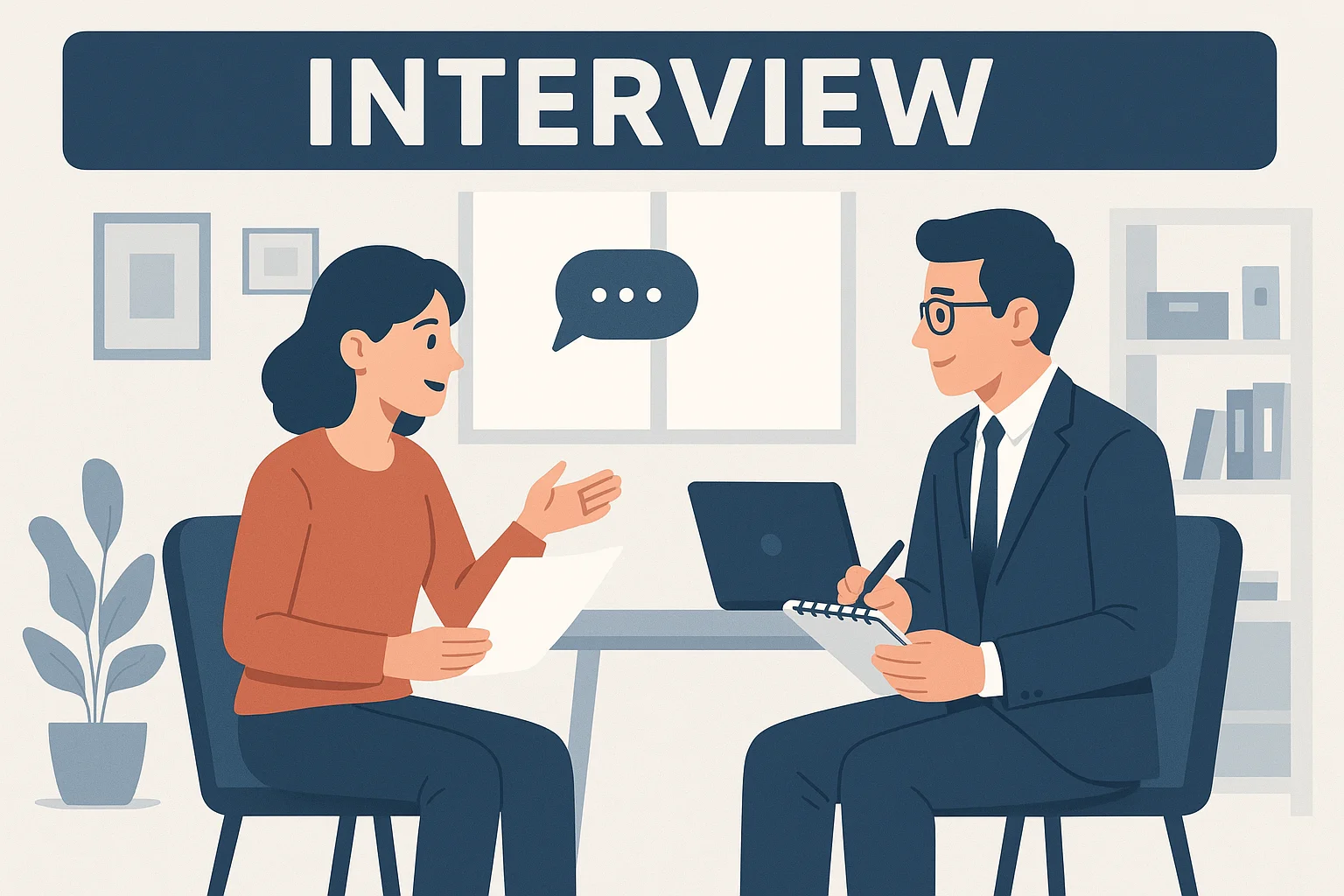
Understanding the Importance of Self-Introduction in Interviews
In job interviews, a self-introduction plays a vital role. It sets the tone for the conversation and creates the first impression. When you introduce yourself effectively, you capture the interviewer’s attention and make them interested in learning more about you. A well-crafted introduction highlights your qualifications, experience, and personality, allowing you to stand out from other candidates. It should include your name, a brief overview of your professional background, relevant skills, and what excites you about the opportunity. This sets a positive foundation for the rest of the interview, demonstrating confidence and a clear understanding of your own strengths. Ultimately, a strong self-introduction can significantly influence the interviewer’s perception, paving the way for a successful dialogue.
The Basics of Your Introduction
When crafting your self-introduction, there are several key elements to consider. Start with your name and a brief professional background—this could include your current role and relevant experiences. Next, mention your key skills or qualifications that align with the job you’re applying for. It’s also beneficial to include a personal touch, such as a hobby or interest that showcases your personality. This helps create a connection with the interviewer. Lastly, wrap up your introduction by expressing enthusiasm about the role or the company, indicating why you are excited about the opportunity. By incorporating these essential elements, you ensure that your introduction is informative, engaging, and tailored to the specifics of the job you are pursuing.
Tailoring Your Introduction for Different Roles
Tailoring your self-introduction is crucial, as different roles and company cultures require varying approaches. For instance, if you’re applying for a creative position, you might emphasize your innovative skills and experiences, while a corporate role may necessitate a focus on your analytical abilities and professionalism. Researching the company beforehand can provide insights into its culture, allowing you to adjust your tone and content accordingly. For example, a startup might appreciate a more casual and friendly introduction, while a traditional firm may expect a formal approach. Being adaptable in your introduction demonstrates your understanding of the company and shows that you are genuinely interested in fitting into their environment, which can significantly enhance your candidacy.
Researching the Company
Understanding the company you’re interviewing with can greatly influence your self-introduction. This knowledge allows you to align your values and experiences with the company’s mission and goals. For example, if the company emphasizes innovation, you can highlight experiences where you demonstrated creativity or problem-solving skills. Additionally, knowing the company’s culture can guide you in choosing the right tone for your introduction. If the company values teamwork, sharing a brief story about successful collaboration can resonate well. This research not only helps you craft a relevant introduction but also shows the interviewer that you have a genuine interest in their organization. Ultimately, this preparation can set you apart from other candidates who may not have done their homework.
Highlighting Relevant Skills
When choosing skills to highlight in your self-introduction, refer directly to the job description. For instance, if the position requires strong communication skills, you might share experiences that demonstrate this ability, such as leading a team project or presenting at a conference. Moreover, if the role emphasizes technical skills, briefly mention specific tools or technologies you are proficient in. Tailoring your skills to meet the job requirements makes your introduction more relevant and compelling. For example, if applying for a marketing role, discuss your experience with digital marketing strategies or social media campaigns. By aligning your skills with the job description, you effectively communicate your suitability for the position, increasing your chances of making a strong impression.
Overcoming Shyness During Your Introduction
Overcoming shyness during a self-introduction can be challenging, but it’s essential for making a positive impression. One effective strategy is to prepare and practice your introduction thoroughly, which can help alleviate anxiety. Consider visualizing a successful introduction to build confidence. Additionally, try to shift your focus from yourself to the interviewer—think about how your introduction can engage them. Remember, it’s normal to feel nervous, and many interviewers appreciate authenticity. Taking deep breaths before speaking can also help calm your nerves. Lastly, remember that every interview is a learning experience, and being genuine in your introduction can resonate well with your audience, making the conversation flow more naturally.
Practicing Your Introduction
Practicing your self-introduction is key to building confidence and ensuring a smooth delivery. Rehearsing in front of a mirror can help you observe your body language and facial expressions, allowing you to refine your presentation. Consider recording yourself to review your tone and pacing. Practicing with friends or family can also provide valuable feedback and simulate the interview environment. Moreover, rehearsing regularly can help solidify your content in your memory, reducing the chance of forgetting key points. The more familiar you are with what you want to say, the more relaxed and confident you will be during the actual interview. This preparation can make a significant difference in how you present yourself.
Using Positive Body Language
Using positive body language is essential during your self-introduction, as it can reinforce your message and create a welcoming atmosphere. Maintain good eye contact with the interviewer to convey confidence and engagement. A warm smile can also help put both you and the interviewer at ease. Additionally, consider your posture—standing or sitting up straight not only conveys confidence but also allows you to project your voice clearly. Gesturing naturally while speaking can emphasize your enthusiasm and help keep the conversation dynamic. Remember, your body language often communicates more than your words, so being aware of your non-verbal signals can significantly impact the interviewer’s perception of you.
Common Mistakes to Avoid
Common mistakes during self-introductions can hinder your chances of making a good impression. One frequent misstep is rambling or providing excessive detail, which can confuse the interviewer. Aim to be concise and focused on relevant information. Another mistake is failing to tailor your introduction to the job or company, which may signal a lack of interest or preparation. It’s also important to avoid negative language, such as speaking poorly about previous employers, as this can reflect poorly on you. Lastly, neglecting to practice can lead to stumbling over your words or forgetting key points. By being aware of these common pitfalls, you can craft a more effective and engaging self-introduction.
Creating Your Elevator Pitch
Creating an effective elevator pitch is essential for making a lasting impression during your self-introduction. Begin by succinctly stating who you are and what you do, ensuring clarity and relevance to the position. Next, highlight your key achievements or skills that align with the job’s requirements, using specific examples to illustrate your points. Aim for a duration of about 30 seconds to keep it concise. Make sure to convey enthusiasm and confidence, as this will engage your listener. Finally, end with a call to action, such as expressing your eagerness to discuss how you can contribute to the company. A well-crafted elevator pitch not only showcases your qualifications but also invites further conversation.
The Power of Storytelling in Introductions
Storytelling can significantly enhance your self-introduction, making it more engaging and memorable. Instead of merely listing qualifications, share a brief story that illustrates your skills or experiences. For instance, recount a challenge you faced in a previous role and how you successfully overcame it. This narrative approach draws the listener in and helps them connect with you on a personal level. Additionally, stories can highlight your values and motivations, providing deeper insight into who you are as a candidate. By weaving storytelling into your introduction, you not only showcase your qualifications but also create an emotional connection that can resonate with the interviewer, making your introduction stand out.
Conclusion
In conclusion, a well-prepared self-introduction is crucial for success in job interviews. By understanding its importance and incorporating key elements, you can create a strong first impression. Tailoring your introduction based on the company and role enhances its relevance, while practicing helps overcome shyness and build confidence. Avoiding common mistakes ensures your introduction is effective, and utilizing storytelling can make it memorable. Remember to approach your introduction with enthusiasm and professionalism, as this sets the tone for the remainder of the interview. Ultimately, consistent practice and preparation are your best strategies for mastering your self-introduction and increasing your chances of landing the job.
Key Takeaways
- The importance of a strong self-introduction in job interviews.
- Key elements to include in your introduction.
- How to tailor your introduction for different job roles.
- Strategies for overcoming shyness when speaking about yourself.
- Common mistakes to avoid during your introduction.
- Creating an engaging elevator pitch.
- The value of storytelling in making your introduction memorable.
Frequently Asked Questions
- Q: How long should my self-introduction be? A: Aim for about 1-2 minutes to keep it concise but informative.
- Q: What if I forget what to say? A: Take a deep breath and focus on your main points; it’s normal to feel nervous.
- Q: Can I include personal information? A: Yes, but keep it relevant to the job and professional context.
- Q: How can I practice my introduction? A: Practice in front of a mirror or with a friend to gain confidence.
- Q: What if I’m changing fields? A: Highlight transferable skills and relevant experiences in your introduction.
- Q: Is it okay to be informal? A: It depends on the company culture; aim for a friendly yet professional tone.
- Q: Should I memorize my introduction? A: It’s better to have key points memorized but speak naturally to avoid sounding robotic.