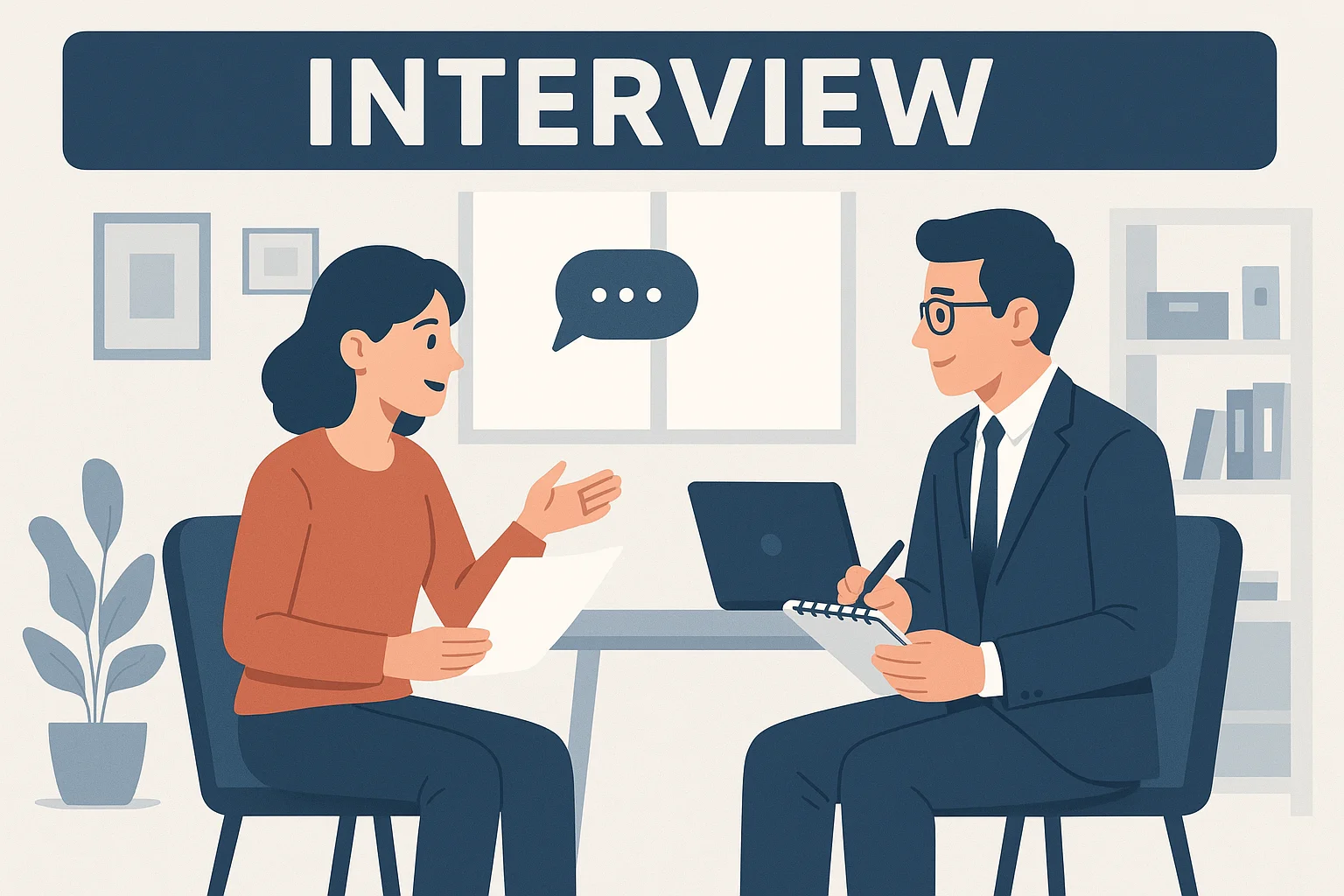
Career Goals in Job Interviews: Making a Lasting Impression
Understanding Career Goals
Career goals are essential benchmarks that guide professionals in their journey. They provide a clear direction, helping individuals focus on what they want to achieve over time. Whether it’s climbing the corporate ladder, gaining new skills, or transitioning to a different field, having defined goals keeps you motivated and accountable. In a professional context, articulating your career goals during an interview is crucial. It shows employers that you have a vision for your future and are proactive about your development. By sharing your aspirations, you convey your commitment to growth, which can resonate with potential employers looking for dedicated candidates. So, understanding and formulating your career goals can significantly enhance your chances of making a lasting impression in interviews.
The Importance of Career Goals
Setting career goals is vital for both personal growth and organizational success. When individuals define their aspirations, they create a roadmap that not only enhances their skills but also aligns with the company’s objectives. Employees with clear goals tend to be more engaged and motivated, which directly contributes to productivity and innovation. Moreover, organizations thrive when their workforce is aligned with their vision, fostering a culture of continuous improvement. For example, when a company’s goals focus on expanding market reach, employees who share similar growth ambitions can drive initiatives that contribute to that goal. Therefore, personal and organizational aspirations intertwined can lead to a more fulfilling work environment, benefiting both employees and the company.
Common Career Goals Candidates Might Have
Candidates often share common career goals during interviews, reflecting a desire for growth and development. Some typical goals include seeking leadership roles, obtaining specific certifications, or transitioning into a new industry. Others might aim to enhance their technical skills or expand their professional network. For instance, someone might express an interest in becoming a project manager after gaining experience in their current position, demonstrating their commitment to advancing their career. Additionally, candidates frequently highlight their intention to contribute to company success, such as driving innovation or improving customer satisfaction. These examples not only showcase ambition but also align with the employer’s objectives, making a strong case for the candidate’s fit within the organization.
How to Articulate Your Career Goals
Effectively communicating your career goals in an interview can set you apart from other candidates. Start by being clear and concise about your aspirations. Use specific examples to illustrate how your goals align with the position you’re applying for. Practice articulating your goals in a way that showcases your enthusiasm and commitment to growth. Remember to tailor your response to the company’s mission and values, demonstrating that you’ve done your homework. Additionally, it’s crucial to express flexibility in your goals, indicating that you are open to opportunities for growth within the organization. This approach not only shows your ambition but also your willingness to adapt, making you a more attractive candidate.
Aligning Your Goals with the Company’s Vision
Researching a company’s values and goals is essential for aligning your career aspirations with theirs. Start by exploring the company’s website, particularly the ‘About Us’ section, to gain insight into their mission and vision. Look for recent news articles or press releases that highlight their current projects and future directions. Additionally, check out employee reviews on platforms like Glassdoor to understand the company culture. Once you have this information, think about how your career goals can complement the company’s objectives. For example, if the company is focused on sustainability, you might express a goal of contributing to eco-friendly initiatives. This alignment can demonstrate your commitment to being a part of the team.
Potential Interview Questions About Career Goals
During interviews, candidates can expect several questions about their career goals. Common inquiries include, ‘What are your short-term and long-term career objectives?’ or ‘How do you see this position fitting into your career path?’ Interviewers may also ask, ‘What skills do you hope to develop in this role?’ to gauge the candidate’s motivation for growth. Questions like, ‘Where do you see yourself in five years?’ can provide insight into a candidate’s ambition and foresight. Additionally, interviewers may inquire about how candidates’ goals align with the company’s mission. Preparing for these questions allows candidates to present themselves as thoughtful individuals with clear aspirations, enhancing their chances of making a positive impression.
Preparing for Discussing Your Career Goals
Preparation is key when discussing your career goals in an interview. Start by reflecting on your aspirations and how they relate to the job you’re applying for. Write down your goals and practice articulating them in a concise manner. Consider how these goals can align with the company’s mission, which can help you tailor your responses. Additionally, rehearse common interview questions about career goals to build confidence. You might also seek feedback from friends or mentors to refine your presentation. Keeping your goals realistic and achievable while remaining open to new opportunities is crucial. This preparation can ensure you present yourself as a well-rounded candidate ready for the challenges ahead.
Dealing with Changes in Career Goals
Changes in career goals are natural, and candidates should be prepared to address them in interviews. If your goals have shifted, be honest about the reasons behind the change. For example, you might explain how new interests or experiences led to a reevaluation of your aspirations. It’s important to frame these changes positively, emphasizing how they reflect personal growth and adaptability. Discussing how your revised goals still align with the company’s mission can help reassure interviewers. Highlighting flexibility in your career path can position you as a candidate who is open to new challenges and learning opportunities, which is often an attractive quality for potential employers.
Showcasing Flexibility in Your Career Aspirations
Demonstrating flexibility regarding your career goals is crucial in a job interview. Employers often seek candidates who can adapt to changing circumstances and embrace new opportunities. Sharing your willingness to evolve in response to industry trends or company needs showcases your proactive mindset. For instance, if the company is exploring new technologies, expressing a goal of learning and adapting to these innovations can be a significant plus. Furthermore, flexibility can indicate that you’re not solely focused on a rigid career path but are open to exploring various avenues within the organization. This adaptability can enhance your appeal as a candidate who can contribute to the company’s evolution.
Wrapping It Up
Understanding the importance of career goals in job interviews is essential for making a lasting impression. By articulating clear aspirations, candidates can demonstrate their ambition and alignment with the company’s vision. Setting career goals not only aids personal growth but also contributes to organizational success. Candidates can effectively communicate their goals by preparing tailored responses that reflect both their interests and the company’s objectives. Additionally, being open about changes in goals and showcasing flexibility can further enhance a candidate’s appeal. Ultimately, well-defined career goals can communicate commitment and direction, making candidates stand out in a competitive job market.