Crafting Your Self-Introduction for Job Interviews
Table of Contents
- What Does ‘Tell Me About Yourself’ Mean?
- Why Is Your Self-Introduction Important?
- Structuring Your Introduction
- Tips for Crafting an Engaging Introduction
- Common Mistakes to Avoid
- Practicing Your Self-Introduction
- Examples of Effective Self-Introductions
- Key Takeaways
- Frequently Asked Questions
- Conclusion
- Suggested Posts
What Does ‘Tell Me About Yourself’ Mean?
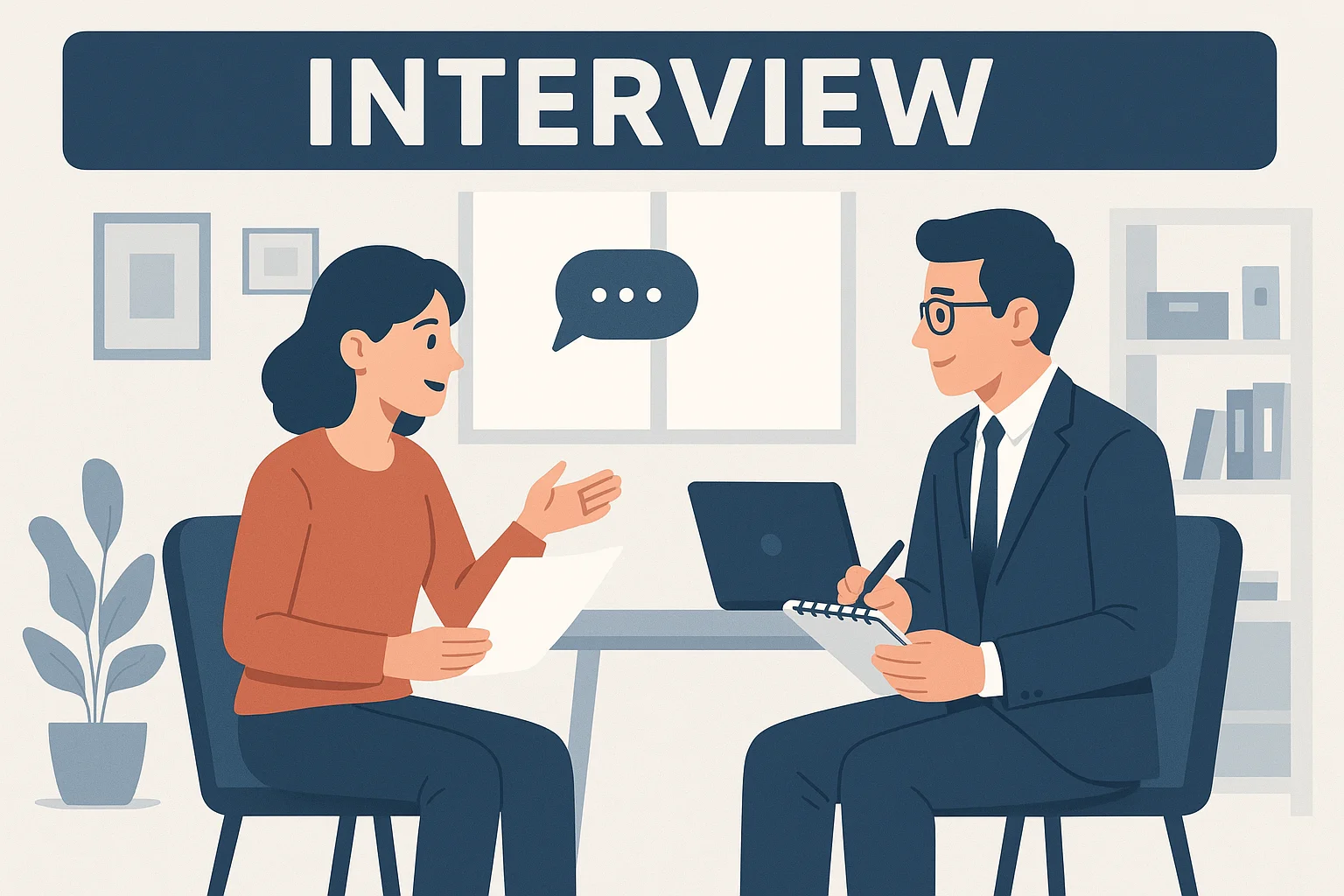
This common interview question serves as an icebreaker, giving you a chance to present yourself. Interviewers often ask it to gauge your communication skills and to see how you perceive your own experiences. Think of it as an invitation to share your professional story. You can highlight your relevant skills and experiences, demonstrating your potential fit for the role. This question also allows you to steer the conversation towards your strengths and achievements. When preparing your answer, consider including your educational background, your most relevant work experiences, and a brief overview of your career goals. Overall, it’s an opportunity to showcase your unique qualities and make a memorable first impression that aligns with the company’s values and objectives.
Why Is Your Self-Introduction Important?
A strong self-introduction is crucial in job interviews because it sets the tone for the rest of the conversation. You want to make a positive first impression that showcases your confidence and professionalism. Your introduction is often the first opportunity to connect with interviewers and establish rapport. A compelling self-introduction can help you stand out among other candidates, showing that you are articulate and well-prepared. It also provides a chance to align your skills and experiences with the job description, demonstrating your suitability for the role. Remember, a well-crafted introduction can create a lasting impression, increasing your chances of moving forward in the hiring process. Thus, investing time in perfecting your self-introduction is absolutely worthwhile.
Structuring Your Introduction
To structure your self-introduction effectively, start with a brief overview of who you are. Begin with your name and current role, followed by your educational background. Next, summarize your relevant work experience, highlighting key achievements and skills that pertain to the job you’re applying for. Aim to weave in a personal anecdote that reflects your passion or motivation for the field, making it relatable. Conclude by stating your career goals, emphasizing how they align with the company’s mission. This structured approach ensures that your introduction flows logically and keeps the interviewer engaged. Remember, the goal is to make a strong impact while remaining concise and relevant to the position you’re applying for.
Tips for Crafting an Engaging Introduction
Crafting an engaging introduction involves more than just listing your qualifications. Start by capturing the interviewer’s interest with an intriguing statement or question that relates to your experiences. Use a story or anecdote to illustrate your passion for the industry, making it relatable and memorable. Incorporate humor or a light-hearted comment, if appropriate, to ease any tension and create a friendly atmosphere. Keep your tone conversational and ensure your body language conveys confidence. Additionally, practice active listening to gauge the interviewer’s reactions, allowing you to adjust your delivery accordingly. By focusing on creating a connection with your audience, you can captivate their attention and leave a lasting impression that differentiates you from other candidates.
Common Mistakes to Avoid
Avoid common mistakes in your self-introduction to ensure a favorable impression. One frequent error is being overly verbose; try to keep your introduction concise and relevant. Another mistake is failing to tailor your introduction to the specific job; ensure you highlight experiences that align closely with the role. It’s also important to avoid speaking in jargon or overly technical language that might confuse the interviewer. Additionally, don’t forget to practice your introduction; stumbling over your words can undermine your confidence. Lastly, avoid discussing irrelevant personal details that don’t contribute to your professional narrative. By steering clear of these pitfalls, you can deliver a self-introduction that resonates positively with your audience.
Practicing Your Self-Introduction
Practicing your self-introduction is essential to build confidence and ensure a smooth delivery. Start by writing down your introduction and rehearsing it out loud. This will help you become familiar with the flow and content. Consider practicing in front of a mirror or recording yourself to observe your body language and tone. Ask a friend or family member to provide constructive feedback on your delivery. Additionally, try to simulate the interview environment by practicing in a quiet space without distractions. This will help you get comfortable with potential nerves. Remember, the more you practice, the more natural your introduction will feel, allowing you to connect better with the interviewer.
Examples of Effective Self-Introductions
When crafting your self-introduction, consider a real-life example that illustrates your qualifications. For instance, while interviewing for a marketing position, you might say, ‘In my previous role at XYZ Corp, I led a team to develop a campaign that increased our social media engagement by 50% over six months.’ This specific achievement highlights your skills and gives the interviewer a measurable outcome to consider. Another example could be discussing how you handled a challenging project, emphasizing your problem-solving abilities. Such examples not only demonstrate your capabilities but also make your introduction memorable. Tailoring these anecdotes to align with the job description will further reinforce your fit for the role.
Key Takeaways
- Understand the purpose of the self-introduction in interviews.
- Structure your introduction to make a strong impact.
- Avoid common mistakes that can undermine your introduction.
- Practice effectively to build confidence.
- Use personal stories to make your introduction memorable.
- Tailor your introduction to match the job you’re applying for.
- Stay concise and focused to keep the interviewer’s attention.
Frequently Asked Questions
- Q: How long should my self-introduction be? A: Aim for 1-2 minutes, focusing on key points that highlight your qualifications.
- Q: Should I include personal information? A: Stick to professional details but feel free to add a brief personal touch if relevant.
- Q: How can I make my introduction stand out? A: Use a unique personal story or achievement to create a memorable impression.
- Q: Is it okay to be nervous during my introduction? A: Yes, it’s normal! Practice can help calm those nerves.
- Q: Can I use notes during my introduction? A: It’s best to memorize key points, but having notes for reference can be helpful.
- Q: How do I adapt my introduction for different jobs? A: Tailor your skills and experiences to align with the specific job description.
- Q: What if I forget what to say? A: Stay calm, take a breath, and focus on summarizing your key points briefly.
Conclusion
Your self-introduction is your first chance to impress in a job interview. By understanding its purpose, structuring it effectively, and practicing diligently, you can create an introduction that leaves a lasting impact. Remember to be authentic and relatable, as this will help you connect with your interviewers on a personal level.
Suggested Posts
If you found this article helpful, you might also enjoy these posts:
- Talking Through a Car Accident: What to Say When It Happens
- Emergency Dialogue: Reassuring Someone During Crisis
- Emergency Dialogue: Tips for Helping Someone in Public
- Navigating Emergency Situations: A Guide for First Responders
- Mastering the Art of Reporting Suspicious Activity
- How to Talk to Paramedics in an Emergency
- How to Talk About Workout Routines in the Gym
- Finding the Words: How to Report a Missing Person
- How to Handle Fire Emergencies: A Friendly Guide for Everyone
- How to Talk During a Medical Emergency: A Guide