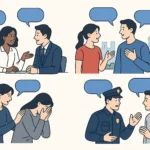
Emergency Dialogue: Effective Communication in Crisis
- Understanding the Situation
- Importance of Clear Communication
- Guiding First Responders
- Common Scenarios
- Tips for Shy People
- Role-Playing Examples
- Using Visual Aids
- Maintaining Calmness
- Building Confidence in Communication
- Frequent Miscommunications
- Conclusion
- FAQs
Understanding the Situation
Before providing directions in a crisis, it’s crucial to assess the situation. Understanding the context allows for more effective communication with first responders. When you grasp what’s happening, you can convey accurate information, which can significantly impact outcomes. Imagine calling emergency services during a chaotic event; if you don’t know the specifics, responders may arrive unprepared. For instance, if there’s a fire, identifying its location and severity can help firefighters prioritize their approach. Similarly, during an accident, knowing how many people are injured can influence the type and number of resources dispatched. Therefore, taking a moment to evaluate the scene before speaking not only enhances clarity but also ensures that first responders are equipped to handle the situation effectively.
Importance of Clear Communication
In emergency situations, clear communication can be the difference between life and death. When chaos reigns, every second counts, and how you convey information matters greatly. Imagine a scenario where you’re reporting an incident; ambiguous messages can lead to misunderstandings that slow down response times. For example, stating, ‘There’s a crash,’ doesn’t provide enough detail. Instead, saying, ‘There’s a two-car collision at Main Street and 5th Avenue, with injuries,’ gives responders the information they need to act quickly. Moreover, clear communication fosters trust among those involved, which can alleviate panic. Ultimately, ensuring that your message is straightforward and precise can enhance the overall effectiveness of the emergency response.
Guiding First Responders
Effectively guiding first responders requires clarity in your directions. Start by using recognizable landmarks to help them locate the scene swiftly. For instance, instead of saying, ‘It’s near the park,’ specify, ‘It’s next to the community center by the park.’ This precision reduces confusion. Additionally, employ simple language free from jargon. In emergencies, time is limited, and complex terms can create misunderstandings. Focus on concise instructions; for example, say, ‘Send an ambulance to the east side of the building,’ rather than lengthy explanations. Lastly, maintain a calm tone to ensure your message is taken seriously, as panic can obscure critical information. Clear, direct communication is vital for effective emergency response.
Common Scenarios
Several common emergency scenarios necessitate clear directions to ensure effective responses. Take car accidents, for instance; you may need to guide responders to multiple vehicles involved. Communicating details like the number of cars and any visible injuries can help responders prioritize care. In fire emergencies, specifying the location, such as ‘the second floor’ of a building, can assist in rapid evacuation efforts. Similarly, during a medical emergency, providing details about the patient’s condition, including symptoms, can expedite the appropriate response. Handling these situations with clear, direct communication can significantly impact outcomes, ensuring that help arrives as quickly and efficiently as possible. Preparation and clarity can save lives.
Tips for Shy People
For shy individuals, communicating during emergencies can feel daunting. However, having prepared phrases can make a significant difference. Consider practicing simple, specific statements like, ‘I need help with an injury at Main Street,’ or, ‘There’s a fire at my location.’ Rehearsing these sentences can build confidence, making it easier to articulate your needs under pressure. Another helpful strategy is to write down key points in advance. When an emergency arises, having those notes can guide your communication. Additionally, practicing with friends or family in mock scenarios can enhance comfort levels. Remember, your voice matters, and preparation can empower you to speak up when it counts.
Role-Playing Examples
Role-playing scenarios provide excellent opportunities for shy individuals to practice giving directions in a safe environment. For example, simulate a situation where someone has fallen and requires assistance. One person could play the role of the injured individual, while the other practices calling emergency services. They can focus on explaining the location, the nature of the injury, and the urgency of the situation. Another scenario could involve a fire; participants would practice directing responders to the right area. These exercises not only help build confidence but also refine communication skills. By mimicking real-life situations, individuals can become more adept at articulating crucial information under stress.
Using Visual Aids
Visual aids can greatly enhance communication during emergencies, especially for those who struggle with verbal expression. For instance, using diagrams or maps to pinpoint locations can provide clear guidance to responders. Imagine holding up a simple sketch of a building layout, highlighting exits and areas of concern. This method helps ensure that even if your words falter, the visual representation conveys critical information. Additionally, using symbols or colors can simplify complex ideas. For example, a red circle could indicate a fire, while a yellow triangle might denote a hazard. Incorporating visual aids into communication strategies can empower individuals and improve the overall effectiveness of emergency responses.
Maintaining Calmness
Staying calm during emergencies is fundamental for effective communication. When panic sets in, rational thinking becomes difficult, and messages can become garbled. Maintaining composure not only helps you articulate your thoughts clearly but also reassures those around you, fostering a more orderly response. To keep calm, practice deep breathing techniques; inhaling slowly through your nose and exhaling through your mouth can help center your thoughts. Additionally, focusing on the task at hand rather than the chaos surrounding you can bring clarity. Remember, the calmer you are, the more effectively you can communicate vital information, which is crucial for a successful emergency response.
Building Confidence in Communication
Building confidence in communication is a gradual process that can significantly impact your ability to convey important information. Start by practicing with friends or family in low-pressure situations, focusing on clear, concise messages. Asking for feedback can help identify areas for improvement. Consider joining local groups or workshops focused on public speaking or emergency preparedness. These environments provide supportive settings for practicing communication skills. Over time, you’ll notice that your comfort level increases, making it easier to convey information in high-pressure situations. Embrace opportunities to speak up, as each experience builds your confidence and prepares you for future emergencies.
Frequent Miscommunications
Frequent miscommunications often occur during emergencies, and being aware of common pitfalls can help mitigate them. One prevalent issue is using vague language, which can lead to confusion about the situation. Instead of saying, ‘There’s a problem,’ specify, ‘There’s a car accident with injuries.’ Another common miscommunication arises when individuals fail to provide critical details, such as location or the number of people involved. Preparing a checklist of essential information to convey can help prevent these issues. Additionally, remember that distractions can hinder communication, so minimizing background noise or moving to a quieter area can enhance clarity. Awareness and preparation can significantly reduce miscommunications.
Conclusion
Effective communication in emergencies is essential for positive outcomes. It begins with understanding the situation and conveying clear, concise information. Using specific language, familiar landmarks, and visual aids can significantly enhance communication between bystanders and first responders. Additionally, practicing effective communication strategies can help individuals overcome shyness and improve their ability to articulate crucial information. Maintaining calmness is vital; it not only aids in clear communication but also instills confidence in those around you. By addressing common miscommunication pitfalls, individuals can prepare themselves for emergencies, ensuring that they provide vital information swiftly and accurately. Ultimately, effective communication can save lives.
FAQs
FAQs about communication in emergencies often focus on what to say and how to act. One common question is, ‘How do I communicate clearly under pressure?’ The answer lies in preparation and practice. Having key phrases ready can help. Another frequent inquiry is, ‘What if I freeze during an emergency?’ It’s important to remember that taking a moment to breathe can help regain focus. People also wonder about the role of visual aids; incorporating them can simplify communication. Lastly, many ask, ‘How can I help others communicate better?’ Encouraging calmness and providing support can empower those around you. These strategies can enhance overall communication during emergencies.