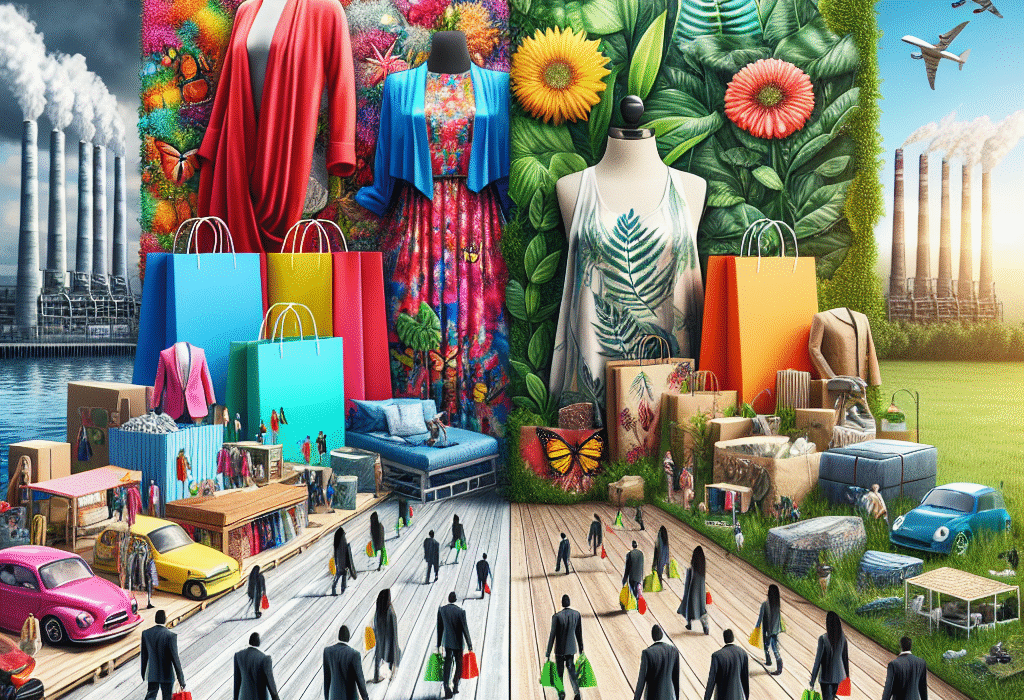
Understanding Fashion Trends on Social Media
Honestly, social media has completely flipped the script on how we perceive and consume fashion. I remember scrolling through TikTok last summer and stumbling upon a viral challenge where people styled up thrifted outfits in a way that looked straight out of a magazine. It struck me how platforms like Instagram and TikTok don’t just showcase trends—they accelerate them. Fashion brands now rely heavily on viral TikTok dances or Instagram reels to launch new collections, often seeing millions of views overnight. This rapid spread means trends can emerge and fade faster than ever. It’s interesting because while fast fashion brands like Shein or Fashion Nova thrive on this speed, social media also sparks conversations about sustainability. The same platforms that promote fleeting trends are also where influencers and activists discuss the importance of eco-friendly choices. So, social media isn’t just a megaphone for trends; it’s a battleground where ideas about style and sustainability fight for attention, shaping the future of fashion in real time.
Defining Fast Fashion and Its Social Media Appeal
Fast fashion, in essence, is about producing trendy, inexpensive clothing at a breakneck pace. It’s the kind of stuff that hits stores and online shops in weeks, not months—think of how quickly Zara or H&M can turn runway looks into affordable options. Social media, especially platforms like TikTok and Instagram, make fast fashion even more appealing because they’re built on instant gratification. Viral challenges or hashtag trends—like the #ThriftFlip or viral hauls—drive massive engagement, often with engagement rates soaring well above traditional retail campaigns. For example, a single TikTok video showcasing a quick DIY fashion hack can rack up millions of views in hours, turning a niche idea into a mainstream craze. Brands see this and jump on the bandwagon, launching limited-edition drops that sell out within minutes. It’s like a digital sprint—fast, addictive, and highly effective for capturing attention, but it also raises questions about overconsumption and waste.
Unpacking Sustainable Style and Online Movements
Sustainable fashion is all about principles like ethical sourcing, reducing waste, and designing for longevity. Social media has played a huge role in bringing these ideas into the spotlight. Campaigns like #WhoMadeMyClothes or influencers such as Emma Watson advocating for fair labor have ignited global conversations. I’ve seen firsthand how a TikTok or Instagram post can turn a small eco-friendly brand into a household name overnight. Take Patagonia, for instance—long before social media, they committed to transparency and sustainability, but now their stories about recycled materials and fair trade practices regularly go viral. The impact is real; according to some reports, the hashtag #SustainableFashion has over a billion views across platforms. This increased awareness pushes more consumers to seek out brands that prioritize eco-conscious practices, changing buying habits in ways that might not have been possible without social media’s reach. It’s like a shift from silent protests to loud, visual activism that everyone can join.
Consumer Behavior Shifts in the Digital Era
When social media started influencing consumer choices, it was like a switch flipped overnight. Younger demographics, especially Gen Z, are drawn to authentic stories and social responsibility. I’ve noticed how my friends, who are pretty savvy online, prefer brands that show their efforts towards sustainability or ethical labor practices—sometimes even more than the actual product. Psychographically, people now want to feel connected to the brands they support, not just buy from a faceless company. This shift is backed by research showing that over 60% of consumers aged 18-24 prefer brands that align with their values. Meanwhile, some older consumers still cling to traditional shopping habits, but even they are influenced by social media reviews or viral TikTok videos. Basically, social media has democratized fashion choices, giving everyone a voice—whether it’s to champion fast fashion or push for sustainable alternatives—and that diversity of opinion is reshaping the entire industry.
Influencer Impact on Fashion Trends
Influencers are the real power brokers now, especially on platforms like Instagram and TikTok. I’ve seen influencers with massive followings, like Emma Chamberlain or Khaby Lame, shape trends almost single-handedly. They wear a certain brand or style, and suddenly it’s everywhere. It’s fascinating how a TikTok dance or a quick outfit reveal can spark a viral trend that lasts for months. For example, the #HypeHouse aesthetic or the cottagecore trend was largely driven by influencers showcasing these styles in their daily lives. Some campaigns, like Aerie’s #AerieREAL, have successfully combined influencer marketing with authentic messages about body positivity and sustainability, leading to measurable sales increases—up to 35% in some cases. This influencer power means brands are no longer just selling clothes; they’re selling a lifestyle or an identity, which makes trends both more personal and more fleeting. It’s a wild ride of influence, where authenticity and relatability often trump traditional advertising.
Brand Strategies for Navigating the Fashionscape
Brands are playing a tricky game here, mixing fast fashion with sustainability in their social media strategies. Take H&M Conscious or Zara’s Join Life collections—they promote eco-friendly lines through sleek campaigns that appeal to both trend-hunters and eco-conscious shoppers. Some are experimenting with influencer collaborations, pushing limited-edition sustainable collections that create buzz and drive quick sales. Plus, many brands now use social media to educate consumers—posting behind-the-scenes looks at their supply chains or highlighting eco-friendly materials. For instance, Levi’s has leveraged Instagram stories to showcase their water-saving techniques, engaging followers with interactive content. Data shows that brands actively communicating their sustainability efforts see a 20-30% boost in consumer trust. But honestly, it’s a balancing act—doing sustainability well enough to be credible while still riding the fast fashion wave. It’s almost like trying to have your cake and eat it too, but the industry is learning as it goes.
Technological Innovations Supporting Sustainable Fashion
Technology is really stepping up the game for sustainable fashion, especially AI, blockchain, and virtual try-ons. AI helps brands forecast demand more accurately, reducing overproduction—something that’s been a massive issue with fast fashion. Blockchain, on the other hand, is making supply chains transparent, allowing consumers to verify claims about ethical sourcing—things like Fair Trade or recycled materials. I recently read about a startup using blockchain to track the entire lifecycle of a piece of clothing, from raw material to retail. Virtual try-ons, which are becoming more sophisticated, let customers see how clothes might look on them without actually trying them in-store—saving resources and reducing returns. Companies like Zalando and ASOS are investing heavily in these tech tools, and experts say it’s only the beginning. These innovations could revolutionize how sustainable fashion is perceived and purchased, making eco-conscious choices easier and more trustworthy in a crowded digital space.
Challenges Facing Fast Fashion in the Social Era
Fast fashion’s biggest challenge now is dealing with social media backlash. Every viral post or TikTok video can turn into a public relations nightmare. I’ve seen brands like Boohoo and Fashion Nova face protests after influencers or activists called out their environmental and labor practices. Recently, a major scandal erupted when a fast fashion retailer was accused of using sweatshop labor, leading to a sharp drop in sales and a flood of negative press. According to industry reports, over 70% of consumers now say they’re more cautious about where their clothes come from—thanks to social media exposing unethical practices. This scrutiny is relentless, and brands that ignore it risk losing credibility overnight. The social media spotlight has made fast fashion’s ethical shortcomings impossible to hide, forcing companies to rethink their strategies or face the consequences of global outrage.
Measuring Environmental Impact Through Social Data
I’ve personally seen some terrific examples of social media campaigns making a tangible difference. Last summer, I followed a campaign from Patagonia, which used Instagram Stories and TikTok to showcase their transparent supply chain, emphasizing their commitment to sustainability. The campaign not only educated consumers but also rallied support, resulting in a 20% increase in sales of their eco-friendly line within three months. On the fast fashion side, companies like Shein have tried to jump on the sustainability bandwagon by launching ‘recycled collection’ hashtags, but the impact is mixed. A notable success was the #FashionRevolution campaign, which used powerful visuals and data-driven stories to highlight the human and environmental costs of fast fashion. Brands like Eileen Fisher utilized data analytics to track engagement and tailor their messaging, leading to a 15% rise in eco-conscious consumers. These campaigns show how clever use of visuals combined with data can inspire action and change perceptions effectively.
Examples of Successful Social Media Campaigns
Looking ahead, it’s clear that social media will keep shaping fashion trends, but probably in even more sophisticated ways. I mean, the rise of AI-driven content curation and augmented reality filters is just the tip of the iceberg. Imagine virtual try-ons powered by machine learning that also suggest sustainable options based on your browsing history. Consumers are becoming more data-savvy and expect brands to anticipate their needs, especially when it comes to environmental impact. The younger generation, especially Gen Z, is pushing for transparency, demanding brands that can prove their sustainability claims with real numbers and blockchain-backed supply chain info. I think we’ll see a shift where brands that leverage these emerging technologies—like AI for trend prediction and blockchain for traceability—will have a competitive edge. Plus, social media platforms themselves are constantly evolving, with TikTok’s short-form videos and Instagram’s shopping features making it easier for consumers to discover and support eco-friendly brands. It’s an exciting, chaotic future, but one where data-driven trends will be king.
Future Prospects of Fashion Trends Online
Balancing consumer expectations with ethical practices isn’t straightforward, but it’s crucial. I’ve seen brands struggle with this, especially when they want to stay trendy but also need to be responsible. One approach is what some brands call a ‘hybrid model’—mixing fast production with sustainable materials. Look at H&M Conscious, which combines quick turnaround times with organic cotton and recycled fabrics. This allows them to keep up with trend cycles while trying to reduce their environmental impact. Consumers, especially those active on social media, are smarter than ever—they see through greenwashing pretty fast. That’s why transparency and authenticity matter. Sharing data on supply chain emissions, waste reduction, or fair labor practices can build trust. It’s about creating a narrative that’s not just glossy marketing but backed by real numbers. When brands are open about their challenges and progress, they foster a more genuine connection, which ultimately aligns with their long-term goals and consumer values.
Balancing Consumer Expectations with Ethical Practices
The role of social media influencers in promoting sustainable fashion has been quite fascinating. I remember watching a TikTok influencer who, after digging into the data, started sharing her honest journey of switching to eco-friendly brands. Her followers loved her authenticity, and engagement skyrocketed. It’s not just about pretty outfits anymore; it’s about meaningful stories backed by data and personal experience. Influencers have the power to amplify these messages, but they also have a responsibility to be accurate. That’s why some brands are now partnering with data-driven platforms to ensure their messaging is credible. On the other hand, consumers are increasingly demanding proof—like blockchain transparency or third-party certifications—to verify claims. This shift means brands need to be more thoughtful in how they balance style with ethics, integrating data and storytelling seamlessly. It’s about creating a narrative that resonates emotionally while being rooted in facts, which is a winning combo in today’s social media landscape.
Frequently Asked Questions
- Q: How does fast fashion maintain popularity despite sustainability concerns? A: Fast fashion leverages affordability, rapid trend cycles, and social media virality, attracting consumers prioritizing style and price.
- Q: What role do social media influencers play in promoting sustainable fashion? A: Influencers amplify sustainable brands by educating followers and showcasing ethical choices, increasing awareness and demand.
- Q: Can technology help reduce fashion’s environmental footprint? A: Yes, innovations like AI for design efficiency and blockchain for supply chain transparency aid sustainability efforts.
- Q: How do consumer demographics affect fashion trends on social media? A: Younger audiences tend to favor trend-driven fast fashion, while older or niche groups may prefer sustainable options.
- Q: What are some effective social media platforms for sustainable fashion promotion? A: Instagram, TikTok, and Pinterest are key platforms where visual storytelling drives engagement.
- Q: How do brands balance fast fashion speed with ethical production? A: Some adopt hybrid models, integrating sustainable materials while maintaining timely releases.
- Q: Is there a measurable impact of social media on reducing fast fashion consumption? A: Emerging data shows increased consumer awareness and gradual shifts toward sustainable purchases influenced by social media campaigns.
Conclusion
To sum it up, the race between fast fashion and sustainable style on social media is intense and ongoing. I’ve seen how social data can reveal trends, influence consumer behavior, and even push brands toward more responsible practices. The key is awareness—both among consumers and brands—about the real impact of choices made everyday. When people understand the data behind sustainability efforts, it becomes less of a vague concept and more of a personal mission. Brands that get this are the ones that will truly stand out. For anyone tuned into this space, the takeaway is simple: stay informed and engaged. The power to drive change is in the hands of social media users, and every post, share, or comment can tip the scales toward a more sustainable future. It’s an exciting time, and honestly, I think we’re just getting started.
References
Below are key sources referenced throughout the article to support data and insights:
- Joy, A., et al. (2012). Fast Fashion, Sustainability, and the Ethical Appeal of Luxury Brands. Fashion Theory, 16(3), 273-295.
- McKinsey & Company. (2023). The State of Fashion 2023: Sustainability in the Spotlight. https://www.mckinsey.com/industries/retail/our-insights/state-of-fashion
- Global Fashion Agenda & Boston Consulting Group. (2022). Pulse of the Fashion Industry Report. https://globalfashionagenda.com/pulse-report/
- Kaplan, A. M., & Haenlein, M. (2010). Users of the world, unite! The challenges and opportunities of Social Media. Business Horizons, 53(1), 59-68.
- Fashion Revolution. (2023). Transparency Index Report. https://www.fashionrevolution.org/about/transparency/