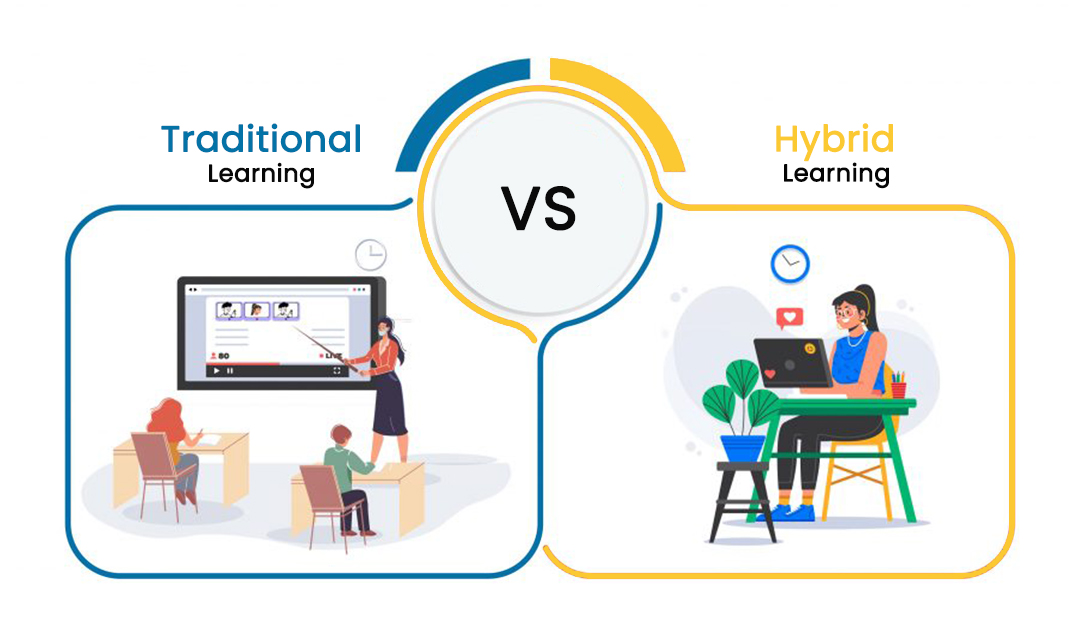
Online Learning vs Traditional Classrooms: Which is the Better Choice for Students?
In today’s fast-paced world, education is evolving rapidly. The debate of online learning vs traditional classrooms has gained significant attention. With the rise of technology, students now have the option to learn from home or attend physical classes. This article explores the differences between these two educational methods, helping you decide which one might be the best fit for your learning style.
Understanding Online Learning
Online learning, also known as e-learning, allows students to access educational content through the internet. Platforms like Coursera and Udemy offer a wide range of courses, from academic subjects to professional skills. This method of learning is flexible, enabling students to manage their time effectively. However, it also requires self-discipline and motivation.
Exploring Traditional Classrooms
On the other hand, traditional classrooms involve face-to-face interaction between students and teachers. This method fosters a structured learning environment, where students can ask questions and engage in discussions. Many believe that this interaction enhances understanding and retention of information. However, traditional classrooms can be less flexible, requiring students to adhere to a set schedule.
Comparing the Two Methods
When comparing online learning vs traditional classrooms, several factors come into play:
- Flexibility: Online learning offers more flexibility, allowing students to learn at their own pace. Traditional classrooms, however, follow a strict schedule.
- Interaction: Traditional classrooms promote direct interaction, which can enhance learning. Online learning may lack this personal touch, though many platforms offer forums and live sessions.
- Accessibility: Online courses can be accessed from anywhere, making education more accessible. Traditional classrooms might require commuting, which can be a barrier for some students.
- Cost: Online courses often come at a lower cost compared to traditional education, which can include tuition fees, transportation, and materials.
Ingredients of Successful Learning
Both online and traditional learning have unique ingredients that contribute to their success. For online learning, having a reliable internet connection, access to a computer or tablet, and self-motivation are crucial. In contrast, traditional classrooms require a conducive environment, supportive teachers, and active participation from students.
Benefits and Side Effects
Each method has its benefits and potential downsides. Online learning can provide flexibility and a wide range of resources. However, it may lead to feelings of isolation for some students. Traditional classrooms promote social interaction and a structured environment but may not cater to individual learning paces.
Author’s Preference
As an author, I personally lean towards online learning due to its flexibility and the vast resources available. It allows me to explore various subjects at my own pace, making it an ideal choice for my busy lifestyle. However, I recognize the value of traditional classrooms, especially for subjects that benefit from hands-on experience.
Conclusion
In conclusion, the choice between online learning vs traditional classrooms ultimately depends on individual preferences and learning styles. Both methods have their advantages and disadvantages, and understanding these can help students make informed decisions. Whether you choose the flexibility of online courses or the structured environment of traditional classrooms, the key is to find a learning method that works best for you.
For more insights on education and technology, check out this article on PostgreSQL vs MongoDB: Unraveling JSON Query Performance or explore comparisons on skincare products like Elemis Pro-Collagen Marine Cream.