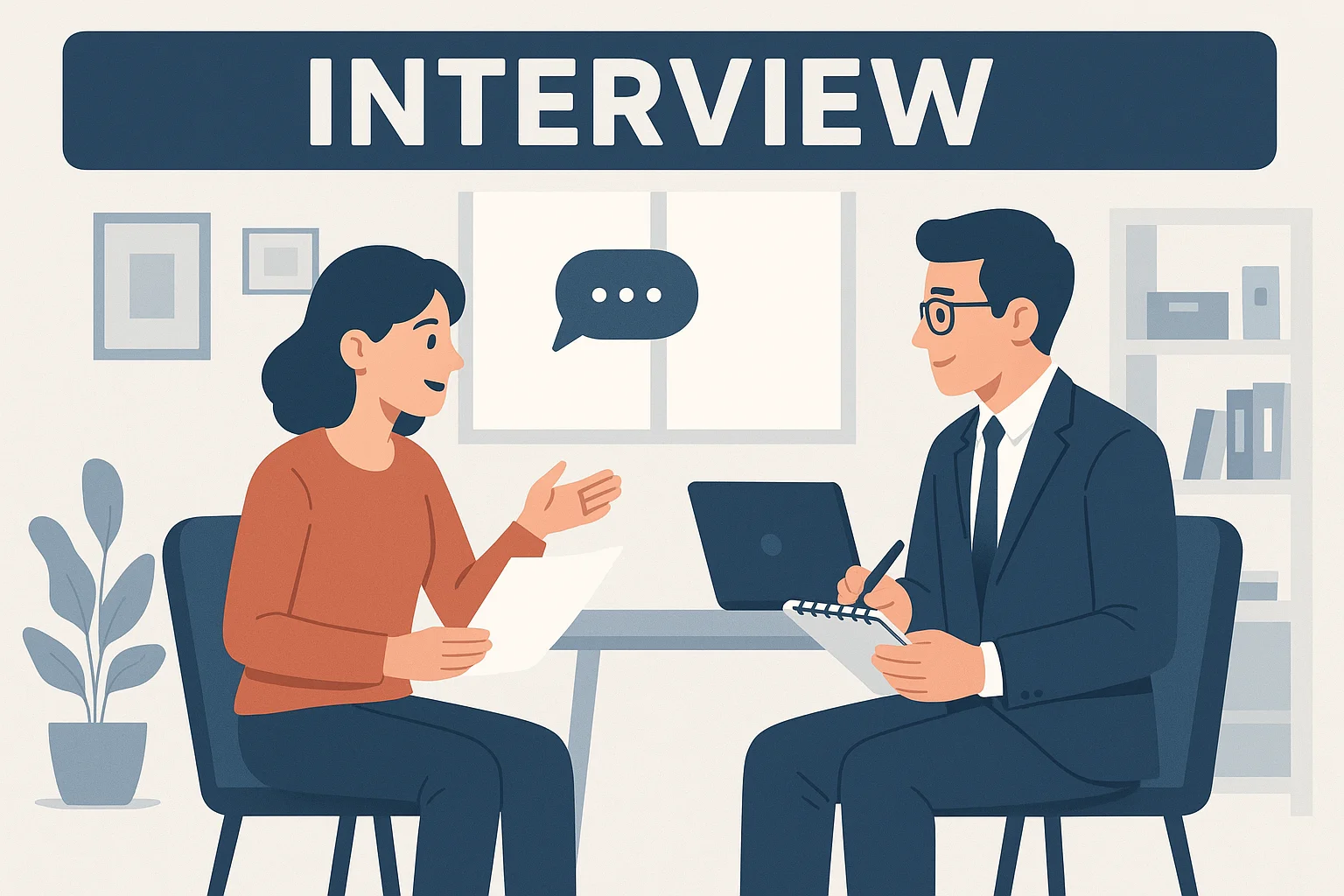
How to Request Feedback After a Job Interview
- Understanding the Importance of Feedback
- When to Request Feedback
- How to Ask for Feedback
- Best Practices for Communicating
- What to Do with the Feedback
- Common Mistakes to Avoid
- Conclusion
- Frequently Asked Questions
- Suggested Posts
Understanding the Importance of Feedback
Feedback after a job interview holds immense value for candidates seeking to enhance their interview skills. It provides insight into performance, allowing individuals to identify strengths and areas needing improvement. This information can be pivotal in shaping future interview strategies. For instance, if a candidate learns that they struggled with behavioral questions, they can focus on practicing those types of inquiries. Moreover, feedback can boost confidence, as it highlights what they did well, reinforcing positive behaviors. Employers often appreciate candidates who seek feedback, viewing it as a sign of a growth mindset. Ultimately, utilizing feedback effectively can transform potential weaknesses into strengths, leading to more successful interviews in the future. Remember, every piece of feedback is a stepping stone towards personal and professional growth.
When to Request Feedback
Timing is crucial when requesting feedback after an interview. The best practice is to ask shortly after receiving the interview results, ideally within a few days. This timeframe ensures that the interviewers can recall specifics about your performance, leading to more constructive feedback. Waiting too long may result in vague or less helpful responses, as the details may fade from their memory. Moreover, reaching out promptly shows your eagerness to learn and improve, leaving a positive impression. However, it’s also essential to respect their time and processes; if they indicate a timeline for feedback, adhere to that. Balancing promptness with professionalism is key to making the most out of your feedback request.
How to Ask for Feedback
Effectively asking for feedback requires a thoughtful approach. Start by composing a polite email or making a brief phone call. In your message, express gratitude for the opportunity to interview, and mention how much you value their insights. For example, you could say, “I appreciate the chance to interview for the position and would be grateful for any feedback you could share regarding my performance.” Keep your request concise and to the point, ensuring it’s easy for the interviewer to respond. If you prefer, you can ask if there are specific areas they think you could improve. This not only shows your willingness to learn but also encourages them to provide actionable feedback.
Best Practices for Communicating
Communicating professionally is essential when requesting feedback. Begin by addressing the interviewer by name and using a respectful tone throughout your message. Avoid being overly casual, as this may undermine the seriousness of your request. It’s also vital to be specific about what feedback you’re seeking. For instance, you might ask about your answers to particular questions or your overall presentation. Additionally, make sure to express appreciation for their time and insights. Following up politely if you don’t receive a response within a week can also demonstrate your commitment to improvement. Overall, professionalism in your communication can significantly enhance your chances of receiving valuable feedback.
What to Do with the Feedback
Once you receive feedback, it’s important to process and utilize it effectively. Start by reflecting on the comments and suggestions provided, considering how they align with your self-assessment. Create an action plan outlining steps you can take to improve in the areas highlighted. For instance, if feedback indicates that you need to enhance your technical skills, you might enroll in relevant courses or seek mentorship. Additionally, consider practicing interview techniques with friends or family to build confidence. Incorporating received feedback into your job search strategy can lead to better performance in future interviews. Remember, feedback is not just criticism; it’s a valuable tool for growth and development.
Common Mistakes to Avoid
When requesting feedback, candidates often make common mistakes that can hinder their chances of receiving a response. One frequent error is being too vague in their request, which can leave interviewers unsure of what to address. Others may come across as defensive or overly emotional about the rejection, which can put off potential employers. Additionally, failing to follow up or not expressing gratitude can damage professional relationships. To avoid these pitfalls, be clear and specific in your request, maintain a respectful tone, and show appreciation for any feedback received. By steering clear of these common missteps, you can foster a more open dialogue with interviewers and increase your chances of receiving constructive feedback.
Conclusion
In summary, requesting feedback after a job interview is a crucial step in personal and professional development. It allows candidates to gain insights into their performance and identify areas for improvement. By approaching this process thoughtfully—by timing requests appropriately, communicating professionally, and using the feedback constructively—candidates can enhance their interview skills and overall job search strategy. Remember that feedback is a valuable gift, regardless of whether it’s positive or negative. Embrace it with an open mind, and use it as a tool for growth. Ultimately, seeking feedback demonstrates a commitment to self-improvement, which is a trait many employers value highly.
Frequently Asked Questions
- Q: Why is feedback important after a job interview? A: Feedback helps candidates identify areas for improvement, enhancing their chances in future interviews.
- Q: When should I ask for feedback? A: The best time to ask for feedback is shortly after receiving the interview result.
- Q: What if I don’t receive a response? A: If you don’t hear back, consider following up gently after a week.
- Q: How should I phrase my request? A: Keep it polite and concise, expressing gratitude for the opportunity and your interest in feedback.
- Q: Can I ask for feedback from multiple interviewers? A: Yes, it’s perfectly acceptable to reach out to different interviewers for a broader perspective.
- Q: What if the feedback is negative? A: Use negative feedback constructively to improve your skills and interview techniques.
- Q: Is it okay to ask for feedback after a rejection? A: Absolutely! Most employers appreciate applicants who seek to learn and grow.
Suggested Posts
If you found this article helpful, you might also enjoy these related posts: Talking Through a Car Accident: What to Say When It Happens, Emergency Dialogue: Reassuring Someone During Crisis, and How to Talk to Paramedics in an Emergency.