Starting Your Winter Adventure: Hiking or Snowshoeing?
Honestly, when I first thought about trying winter activities, I was a bit overwhelmed. You know, I didn’t want to jump into something too complicated or dangerous. Picking the right winter activity really matters—because if you start with something too tough, you might just give up before even getting the hang of it. I remember last year when I tried snowshoeing for the first time; it looked easy in videos, but on the trail, I was huffing and puffing like a steam engine 🚶♂️. Winter hiking sounds appealing because it feels familiar—you’re basically walking, just with extra layers and maybe some crampons. But then again, snowshoeing offers a different kind of fun, especially if you’re just starting out and want to avoid slipping on icy patches. So, I’ll tease a bit: we’ll look at gear, physical demands, and safety tips, so you can pick what suits you best without feeling lost in the snow.
What Is Winter Hiking?
Winter hiking is pretty much what it sounds like—going for a walk or trek through snowy landscapes. If you’ve ever done regular hiking, picture that but with heavier boots, warm clothes, and maybe some poles for stability 🥾. The conditions can vary a lot—sometimes soft powder, other times icy patches that make your ankles wobble. You don’t need a ton of fancy gear, but a good pair of waterproof boots and layered clothing are essential. I remember hiking in Colorado last winter; the snow was deep, and the trail was icy, but the views were totally worth it. It’s approachable for most people, especially if you stick to well-marked trails and keep an eye on the weather. Just keep in mind, it can be tiring if the snow is thick, so pace yourself and enjoy the crisp winter air.
Understanding Snowshoeing Basics
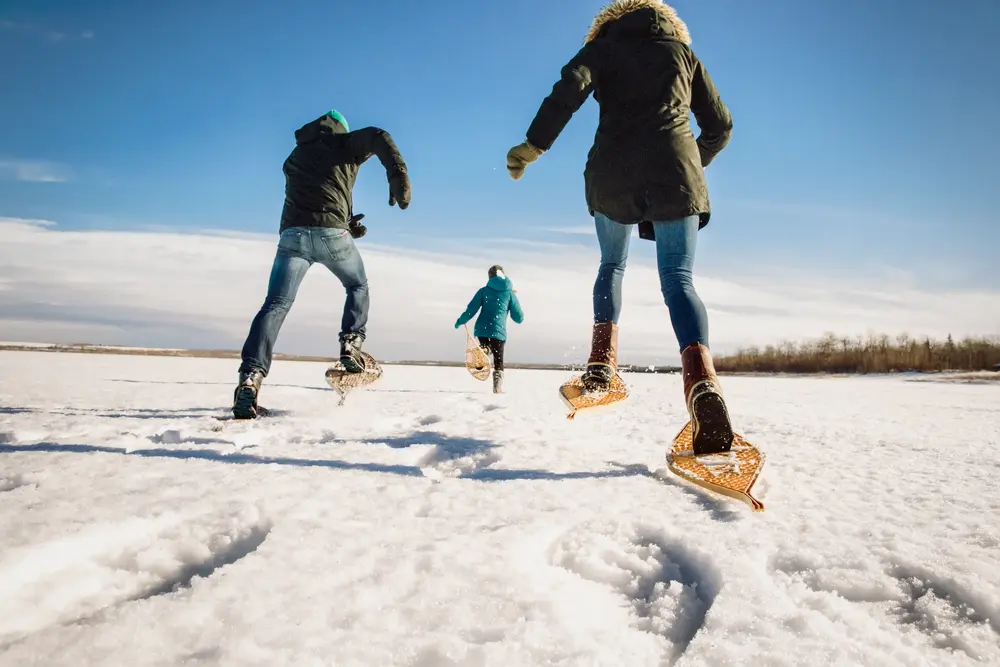
Understanding snowshoeing basics is like learning a new dance—once you get the hang of it, it’s pretty fun. Unlike regular hiking, where your feet sink into dirt or gravel, snowshoes distribute your weight over a larger area, so you don’t get stuck in the snow 🚶♀️. The equipment is simple: a pair of snowshoes, some poles, and warm boots. Think of it as wearing oversized sneakers that help you glide over snow instead of sinking in. I’ve tried easy trails near my local park, and honestly, it feels more like floating than walking. It’s perfect for beginners because it doesn’t require a lot of technical skill, just a bit of balance and some patience. Plus, snowshoeing can be a great workout without making you feel exhausted right away, making it appealing if you’re new to winter sports.
Gear Needed for Winter Hiking vs. Snowshoeing
When it comes to gear, winter hiking and snowshoeing have some overlaps but also clear differences. For basic winter hiking, sturdy waterproof boots, layered clothes, and maybe some traction devices for icy patches are enough. Snowshoeing, on the other hand, requires a pair of specialized snowshoes, which can range from basic models to high-tech ones with better grip 🚶♂️. The cost can add up if you buy quality gear, but honestly, for beginners, prioritizing good boots and layered clothing makes sense. Snowshoes might seem intimidating at first, but rental shops often have affordable options. I’ve learned that in the beginning, focusing on the essentials like warm, waterproof boots and comfortable clothing is smarter than splurging on fancy equipment you might not need right away. That way, you keep it simple and stay safe on your winter adventures.
Physical Demands of Each Activity
Both activities demand a decent level of fitness, but snowshoeing can be a bit less tiring since it’s more about gliding over snow than lifting your legs high with each step. Winter hiking can really test your stamina, especially if the trail is steep or icy. I remember trying a winter hike that turned into a full-body workout because of the snow accumulation; I was exhausted, but it felt rewarding. Snowshoeing is more controlled—once you get used to the rhythm, it’s easier on the legs and less likely to cause fatigue early on. For beginners, I’d say snowshoeing is a gentler option, especially if you’re concerned about overexerting yourself. Still, both activities are fantastic ways to stay active during winter, just choose what feels comfortable and suits your current fitness level.
Terrain and Weather Considerations
Terrain and weather are game-changers when it comes to winter activities. Flat, groomed trails make snowshoeing and hiking much easier, but if you venture into steep or rocky terrain, things get trickier. Bright sunshine can make a snowy day feel warmer, but don’t be fooled—cold winds and snowstorms can turn a simple hike into a real challenge 🥶. Last winter, I tried exploring a trail that was supposed to be beginner-friendly, but a sudden gust of wind and fresh snow made it slippery and tough to navigate. So, always check the weather forecast and trail conditions before heading out. If you’re just starting, stick to well-maintained routes, and consider the terrain’s difficulty. It’s not just about your skill but how the environment can surprise you, so be prepared for anything.
Safety Tips for Beginners
Safety is honestly the most important part—especially for beginners. I absolutely hate when I see people rushing into winter adventures without proper preparation. Dressing in layers is crucial—think thermal underwear, waterproof jackets, and a warm hat. Avoid pushing yourself too hard, especially if you’re tired or cold, because fatigue and hypothermia can sneak up fast 🧣. Always tell someone where you’re going, and stick to trails that are marked and maintained. I’ve learned that choosing easier, well-traveled routes reduces the risk of getting lost or injured. Last winter, I almost underestimated how quickly weather can change on a mountain, so I carry a small emergency kit and a fully charged phone. Staying safe means enjoying the snow without worries, and that’s what makes these winter activities so rewarding.
Cost Comparison for Beginners
Honestly, when I first looked into starting winter activities, I was surprised by how different the costs can be. For winter hiking, you mostly need sturdy boots, layered clothing, and maybe some trekking poles—things most folks already have or can borrow. Plus, many trails are free or low-cost, especially if you stick to local parks. Snowshoeing, on the other hand, can get pricey pretty fast. You’ve got to buy or rent snowshoes, which range from $50 to over $200, and good waterproof boots are a must. Last winter, I rented snowshoes from a local outdoor shop for about $20 a day, and honestly, that was a much better deal than buying my own right away. So, if you’re on a tight budget, winter hiking might be more friendly. Snowshoeing can be more fun, but the initial gear costs can add up pretty quickly, which might scare off beginners trying to save some cash.
Learning Curve and How to Get Started
From my experience, winter hiking feels a lot quicker to pick up. You just need some basic footwear and a good trail, and you’re good to go. Snowshoeing, meanwhile, has a bit of a learning curve—like, how to walk properly with those big shoes and avoiding tripping over your own feet. I remember last year when I tried snowshoeing for the first time, I kept stumbling over my own feet, but after a couple of outings, it got easier. Finding beginner-friendly trails is easier than you think; many parks have groomed, marked paths that are perfect for newbies. Plus, community resources like outdoor clubs or rental shops are a lifesaver—they often have beginner classes or guided trips. If you want to get confident quickly, snowshoeing might take a little longer, but with patience, it’s just as accessible as winter hiking.
Health Benefits of Winter Exercise
Getting outside in winter is such a mood booster, whether you’re hiking or snowshoeing. Physically, it’s a great way to keep your muscles active and boost your cardio—seriously, after a snowy hike, I always feel way more energized. Mentally, being in nature helps clear your mind and fight off winter blues. Snowshoeing especially makes me feel like a kid again, running across fresh snow, and that huge smile on my face says it all. Plus, both activities help improve your overall fitness, making everyday chores easier. I’ve also noticed my mood lift after just a couple of outings; winter doesn’t have to be a downer if you get out and move. Trust me, even a short walk in the snow can do wonders for your mental health, so don’t let the cold keep you indoors—your body and mind will thank you.
Real Examples from Beginners
Last winter, I met a woman named Lisa who decided to try winter hiking after seeing friends post their snowy adventures. She told me she was nervous at first—thought she’d fall or get lost—but she started with a local, groomed trail that was easy to follow. She loved how peaceful it was and how it cleared her head. A few weeks later, she tried snowshoeing with a rental and said she loved the challenge, even if it was awkward at first. Another guy I know, Tom, tried both activities in the same season and found snowshoeing a bit more intimidating but really rewarding once he got the hang of it. The key tips? Start small, pick beginner-friendly trails, and don’t be afraid to ask for help or rent gear until you’re sure you want to invest. Everyone’s experience was different, but they all agree: just get out there and try—you’ll learn so much along the way.
Making Your Choice: Which One Fits You?
Deciding which activity fits you best really depends on what you’re after. If you’re looking for something quick to pick up, winter hiking is probably your best bet—just throw on some boots, find a trail, and go. Snowshoeing takes a bit more effort to master, but it’s such a fun workout. Honestly, I think both are worth trying, especially since many parks offer beginner trails and rentals. If you’re into fitness, snowshoeing can give you a more intense workout, but if you want simplicity, hiking might be easier to start with. Don’t stress too much about choosing the perfect one right away; the key is to have fun and stay active. Just remember, trying either activity is better than sitting inside all winter. So grab your gear, find a trail, and see where your winter adventures take you—either way, you’re in for a treat.
Frequently Asked Questions
- Q: Do I need special boots for snowshoeing? A: Yes, snowshoes are typically worn with waterproof, insulated boots to keep your feet warm and dry.
- Q: Can I do winter hiking in light snow? A: Absolutely! Light snow might not require snowshoes, making winter hiking easier in such conditions.
- Q: Is snowshoeing safer than winter hiking? A: Both are safe when done with proper preparation, but snowshoeing can offer better stability on deep snow.
- Q: How long should my first winter hike or snowshoe trip be? A: Start with short, easy trails of 1-2 miles to build confidence and stamina.
- Q: Can I rent snowshoes instead of buying? A: Yes, many outdoor stores and parks offer rentals, which is great for beginners.
- Q: What clothing should I wear for these activities? A: Layered, moisture-wicking, and insulated clothing with good waterproof outerwear works best.
- Q: Are there beginner-friendly trails for both activities? A: Yes, many parks and trails offer groomed and marked paths suitable for beginners.
Conclusion: Find Your Best Winter Path
Choosing between winter hiking and snowshoeing depends on your fitness, gear budget, and comfort with snow. Both offer fantastic ways to enjoy winter’s beauty while staying active. Start small, prepare well, and soon you’ll be loving your cold-weather adventures!
References
Here are some useful resources for planning your winter hiking or snowshoeing trips:
- American Hiking Society. (2023). Winter Hiking Tips. Retrieved from https://americanhiking.org/winter-hiking/
- Winter Wildlands Alliance. (2024). Snowshoeing Basics. Retrieved from https://winterwildlands.org/snowshoeing/
- REI Co-op. (2023). How to Choose Snowshoes. Retrieved from https://www.rei.com/learn/expert-advice/snowshoes.html
- Backpacker Magazine. (2022). Winter Hiking Safety. Retrieved from https://www.backpacker.com/skills/winter-hiking-safety/