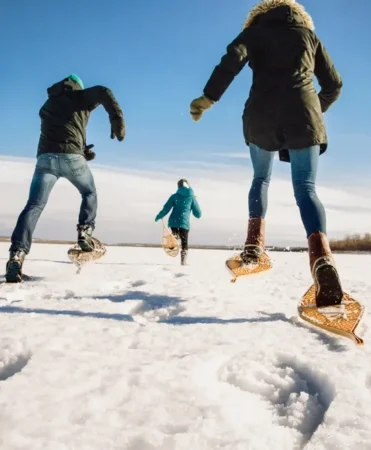
Winter Workout Calorie Comparison
Honestly, one thing I’ve noticed is how popular winter activities like running and snowshoeing have become lately. I remember last winter, I decided to give both a shot during a trip up north, and it was eye-opening. Running in the cold isn’t just about braving the chill; your body has to work harder to regulate its temperature, which means you burn more calories without even realizing it. Snowshoeing, on the other hand, feels like a full-body workout where every muscle gets involved, especially when you’re trudging through deep snow or hilly terrain. The best part? Both activities are super accessible if you have the right gear, and they offer mental clarity in a way that’s hard to match. So, if you’re wondering which one actually helps you shed more calories, keep reading—there’s some surprising data coming up.
Benefits of Winter Running
Now, let’s talk about the benefits of winter running. Moving your body outside during winter is a game-changer for both your physical and mental health. I used to think cold weather would just make me miserable, but I found that it actually boosts cardiovascular health as your heart pumps faster to keep you warm. Plus, the crisp air clears your mind—seriously, I come back from a chilly run feeling more focused and less stressed. Cold weather also forces your body to adapt, so your muscles become more resilient over time. And don’t forget the terrain—running on snow or ice adds a whole new challenge that engages stabilizer muscles you never knew existed. It’s not just about burning calories but also about building mental toughness and physical endurance, which I think is pretty wicked.
Benefits of Snowshoeing
As for snowshoeing, it’s becoming a favorite winter activity for many because of the full-body workout it offers. Unlike running, which mainly targets your legs, snowshoeing involves your arms, core, and even your back—think of it like a natural gym session in the snow. I remember joining a snowshoeing group last winter, and we spent hours exploring snowy trails around Colorado. The low impact is a huge plus, especially if you’re worried about joint stress, but it still burns a ton of calories. Plus, it’s social and fun—nothing beats chatting with friends while slipping through fresh powder. Because snowshoeing engages muscles differently than running, it’s a great way to diversify your winter fitness routine. Plus, the scenery makes everything more enjoyable, and honestly, I think it’s more exciting than just pounding pavement in cold weather.
Calorie Burn Comparison
When it comes to calorie burn, studies suggest that winter running can torch around 600-900 calories per hour, depending on pace and terrain. Snowshoeing, meanwhile, generally burns a bit more—about 700-1000 calories per hour—mainly because of the added resistance from snow and the full-body effort involved. Factors like intensity, your weight, and the terrain matter a lot, of course. If you’re running uphill on icy trails, expect to burn even more. Conversely, flat, packed snow might make snowshoeing slightly easier but still effective because your body is constantly adjusting to uneven surfaces. Last winter, I noticed that even a moderate snowshoe session wiped me out in a good way, more than a quick jog on a cold day. So, both activities are fantastic options, but the actual calorie count varies based on how hard you push yourself and the conditions.
Impact of Terrain and Snow Depth
Terrain and snow depth definitely influence how much energy you burn. Soft, deep snow is a whole different beast—your legs sink in and require extra effort, almost like walking through quicksand. Hilly or uneven terrain makes both running and snowshoeing more intense, especially if you’re climbing steep slopes or navigating icy patches. On the flip side, hard-packed trails or groomed snowshoe paths make things easier and more predictable but might reduce calorie burn slightly. I remember trying to trail run through fresh snow last winter, and it made me realize how much harder it is to keep your balance and maintain pace. Snow depth and terrain can turn a casual workout into an epic challenge that pushes your limits. So, if your goal is maximum calorie burn, challenging terrain and deep snow are your friends, but safety always comes first.
Muscle Groups Engaged
Talking about muscle engagement, winter running primarily works your legs, glutes, and core, especially when you’re battling slick surfaces or snow-covered paths. Snowshoeing, however, takes it up a notch by involving your upper body—your arms and shoulders are constantly working to propel yourself forward, especially when you’re pushing through resistance. I’ve noticed that after a snowshoeing session, I feel sore in muscles I didn’t even know I had. Plus, the stabilizer muscles around your ankles and hips get a serious workout trying to keep you upright on uneven snow. It’s like doing a full-body circuit without even realizing it. Both activities are excellent, but snowshoeing really turns your workout into a comprehensive muscle-builder, which is why many seasoned winter athletes swear by it.
Equipment and Preparation
Getting the right gear makes a big difference. For winter running, good waterproof shoes with traction are essential—trust me, slipping on ice is no joke. Layering is key, and I always recommend moisture-wicking fabrics that keep sweat away but also insulate. Snowshoeing requires a sturdy pair of snowshoes suited to your weight and terrain, plus proper winter boots that keep your feet warm and dry. Safety tips? Always wear a hat and gloves, and don’t forget reflective gear if you’re out early or late. Proper clothing and equipment not only boost performance but also help prevent injuries. I once went out with cheap gear, and by the end of the run, I was freezing and sore—lesson learned. Investing in good gear is worth it, especially when you’re pushing your limits in the cold.
Injury Risks and Prevention
Finally, injury risks are real but manageable if you take precautions. Winter running can lead to slips, strains, or even frostbite if you’re not careful. Warm-up and stretching are crucial—I’ve learned this the hard way after pulling a calf trying to rush out the door without warming up properly. Snowshoeing, while lower impact, has its own risks—like ankle sprains or falls on icy patches. To prevent injuries, always start slow, listen to your body, and know your limits. Wearing proper footwear and dressing in layers helps keep your muscles warm and ready to go. I’ve seen friends injure themselves because they ignored cold-induced stiffness or overestimated their abilities. So, take it slow, stay safe, and enjoy the winter wonderland—just don’t push too hard too fast.
Which Is Better for Weight Loss?
Honestly, deciding which activity is better for weight loss depends on a lot of personal factors. I remember last winter trying to get into shape and thinking, ‘Running seems straightforward, just lace up and go,’ but then snowshoeing caught my eye because it looked like a fun twist. When I looked into it, I found that calorie burn varies quite a bit between the two—running in cold weather can actually boost your calorie expenditure a bit, especially when your body works harder to stay warm. But, let’s be honest, sustainability and enjoyment matter just as much. I used to dread running on icy sidewalks, but snowshoeing, with its full-body workout, kept me motivated longer. To maximize fat burning, I’d recommend mixing high-intensity runs with slower, longer snowshoe sessions. That way, you keep your body guessing and avoid burnout. Plus, enjoying the process is key—if you hate running, no point forcing it, right?
Combining Running and Snowshoeing
Combining running and snowshoeing can actually turn your winter workouts into a fun adventure rather than a chore. I remember one winter where I’d alternate between quick, intense runs on clear days and slower snowshoe hikes on snowy weekends. It’s like giving your muscles a break while still pushing your fitness. Mixing these activities not only keeps things fresh but also helps you target different muscle groups—running mainly works your legs and cardio, while snowshoeing engages your core and arms more. Plus, switching it up can reduce boredom and lower injury risk because you’re not overusing the same muscles or pounding the same pavement every day. I found that this variety kept me motivated through the dark, cold months and made me look forward to each workout, which is kind of rare in winter, right?
Personal Experience and Tips
When I first started winter running, I was terrible at dealing with the cold and balance. I remember slipping on ice and feeling like I was about to faceplant more times than I can count. The trick I learned was to invest in good traction shoes—seriously, those are a game changer. Also, dressing in layers helps you stay warm without overheating. As for snowshoeing, I was a bit nervous about the balance thing, but once I got used to it, I loved how it made me feel like I was hiking in the mountains even in the city. Motivation can be tough when it’s freezing outside, so I set small goals, like just 15 minutes outside, and gradually increased. Find a buddy if you can—nothing beats having someone to share those chilly but rewarding moments with. Trust me, once you get past the initial discomfort, it’s pretty addictive.
Making the Right Choice for You
Choosing between winter running and snowshoeing really comes down to what matches your fitness level and what you genuinely enjoy. If you’re a seasoned runner used to pounding pavement and don’t mind cold weather, then hitting the roads with proper gear might be your best shot. But if you’re new to exercise or want a lower-impact option, snowshoeing could be perfect because it’s gentle on your joints and still burns a ton of calories. Think about your goals—are you aiming for cardio endurance, muscular strength, or just getting outside? Accessibility matters too—if you don’t have snowshoes or don’t want to brave icy sidewalks, then running might be easier. Most importantly, pick an activity that makes you smile. That way, you’ll stick with it through the long, cold months and actually enjoy your workout rather than dread it.
Frequently Asked Questions
- Q: How many calories can I burn running in winter compared to summer? A: Running in cold can increase calorie burn slightly due to body temperature regulation, but the difference isn’t huge; terrain and effort matter more.
- Q: Is snowshoeing harder than running? A: Snowshoeing can feel harder because it works more muscles and resists your movement, especially in deep snow.
- Q: Can beginners start with snowshoeing safely? A: Yes, it’s low-impact and beginner-friendly with proper gear and pacing.
- Q: Do I need special shoes for winter running? A: Trail or winter running shoes with good grip and insulation are recommended.
- Q: Is snowshoeing good for cardiovascular fitness? A: Absolutely, it offers excellent cardio benefits along with muscular endurance.
- Q: How can I avoid injuries when running on snow or ice? A: Use shoes with traction, run slower, and focus on balance and form.
- Q: Which burns more calories: running uphill or snowshoeing on flat ground? A: Running uphill often burns more calories due to increased intensity, but snowshoeing can still be a great full-body workout.
Conclusion: Which Winter Workout Is Best?
To wrap it all up, both winter running and snowshoeing offer solid calorie-burning benefits and unique advantages. Running tends to be more straightforward and can be done almost anywhere, but snowshoeing gives you that full-body workout and a chance to connect with nature—seriously, nothing beats the peacefulness of snow-covered trails. I’ve found that mixing them based on the weather and how I feel keeps me motivated and prevents burnout. So, I’d say the best activity is whichever makes you want to lace up again tomorrow. Don’t get caught up in comparing which is better—focus on what’s fun and doable for you. Remember, consistency beats intensity every time. So go ahead, try both, and see which one feels right—your body will thank you for it.
References
Here_are_some_reliable_sources_that_support_the_information_shared_in_this_article:
- American Council on Exercise. “Calories Burned Running and Snowshoeing.” ACE Fitness, 2023.
- Harvard Health Publishing. “Calories burned in 30 minutes for people of three different weights.” Harvard Medical School, 2022.
- Runner’s World. “How Cold Weather Affects Your Running.” Runner’s World Magazine, 2021.
- Snowshoe Magazine. “Beginner’s Guide to Snowshoeing.” Snowshoe Magazine, 2023.
- Mayo Clinic. “Winter Exercise Tips and Safety.” Mayo Clinic, 2023.
You May Also Like
- Morning Jogging vs Evening Yoga: Which is Best for You?
- Nature Trails vs City Walks: Discovering the Best Outdoor Experience
- Adventure Travel vs Relaxation Retreats: Which One is Right for You?
- AI Tools vs Manual Work: Which Saves More Time?
- Evaluating Daily Commutes: Public Transit or Personal Driving?