GraphQL vs REST API: The Ultimate Showdown for Modern Web Development
When it comes to building web applications, developers often face a crucial decision: GraphQL vs REST API. Both technologies serve as methods for data fetching and manipulation, but they differ significantly in approach and functionality. This article will delve into these differences, comparing the two methods and helping you choose the best fit for your project.
Understanding GraphQL and REST API
Before diving into the comparison, it’s essential to understand what GraphQL and REST API are. GraphQL is a query language for APIs, developed by Facebook. It allows clients to request only the data they need, making it efficient for data retrieval. On the other hand, REST (Representational State Transfer) is an architectural style that uses standard HTTP methods for communication, such as GET, POST, PUT, and DELETE.
Key Differences Between GraphQL and REST API
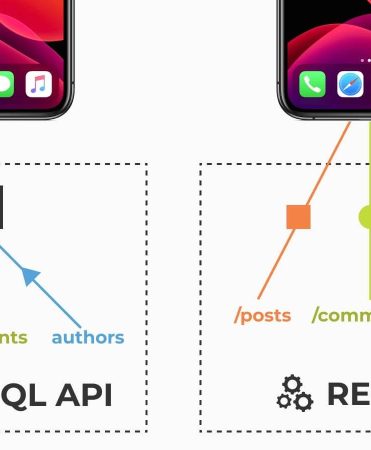
One of the most significant differences in the GraphQL vs REST API debate is how data is fetched. With REST, each endpoint returns a fixed structure of data, which can lead to over-fetching or under-fetching. In contrast, GraphQL allows clients to specify exactly what data they need, reducing the amount of data transferred over the network.
Data Fetching
In REST, if a client needs data from multiple resources, it may require multiple requests to different endpoints. This can slow down the application and increase load times. GraphQL solves this problem by enabling clients to send a single request that returns all the required data in one go. This is particularly beneficial for mobile applications where bandwidth is limited.
Versioning
Another point of comparison in the GraphQL vs REST API discussion is versioning. REST APIs often require versioning when changes are made, leading to multiple versions of the same API. GraphQL, however, is designed to evolve without versioning. You can add new fields and types to your API without impacting existing queries.
Flexibility and Efficiency
GraphQL provides more flexibility and efficiency in data retrieval. Clients can request only the data they need, which can lead to performance improvements. On the other hand, REST APIs can be less efficient due to their rigid structure and the possibility of over-fetching.
Benefits of GraphQL
GraphQL offers several advantages:
- Efficient Data Loading: Clients can request exactly what they need, reducing the amount of data transferred.
- Single Endpoint: All requests are made to a single endpoint, simplifying the API structure.
- Strongly Typed Schema: GraphQL uses a schema to define the types of data available, making it easier to understand and use.
Side Effects of Using GraphQL
While GraphQL has many benefits, it also comes with some challenges:
- Complexity: The flexibility of GraphQL can lead to complex queries that are hard to optimize.
- Caching Issues: Caching can be more complicated compared to REST due to the dynamic nature of queries.
Benefits of REST API
REST APIs also have their advantages:
- Simplicity: REST APIs are easier to understand and use, especially for beginners.
- Widespread Adoption: REST is widely used and supported, making it easier to find resources and community support.
Side Effects of Using REST API
However, REST APIs come with their own drawbacks:
- Over-fetching: Clients may receive more data than needed, leading to inefficiencies.
- Versioning Challenges: Managing multiple API versions can become cumbersome.
Author’s Preference
As a developer, my preference leans towards GraphQL for its flexibility and efficiency. In projects where data requirements are dynamic and varied, GraphQL provides a better solution than REST API. However, for simpler applications where the data structure is stable, REST can still be a viable choice.
Conclusion
In the GraphQL vs REST API debate, both technologies have their strengths and weaknesses. GraphQL excels in flexibility and efficiency, making it ideal for complex applications. REST, however, remains a solid choice for simpler projects due to its simplicity and widespread support. Ultimately, the choice between GraphQL and REST API will depend on your specific project requirements and team expertise.
In summary, understanding the differences between GraphQL and REST API can help you make an informed decision. Whether you choose GraphQL for its dynamic capabilities or REST for its simplicity, both can effectively serve your web development needs.